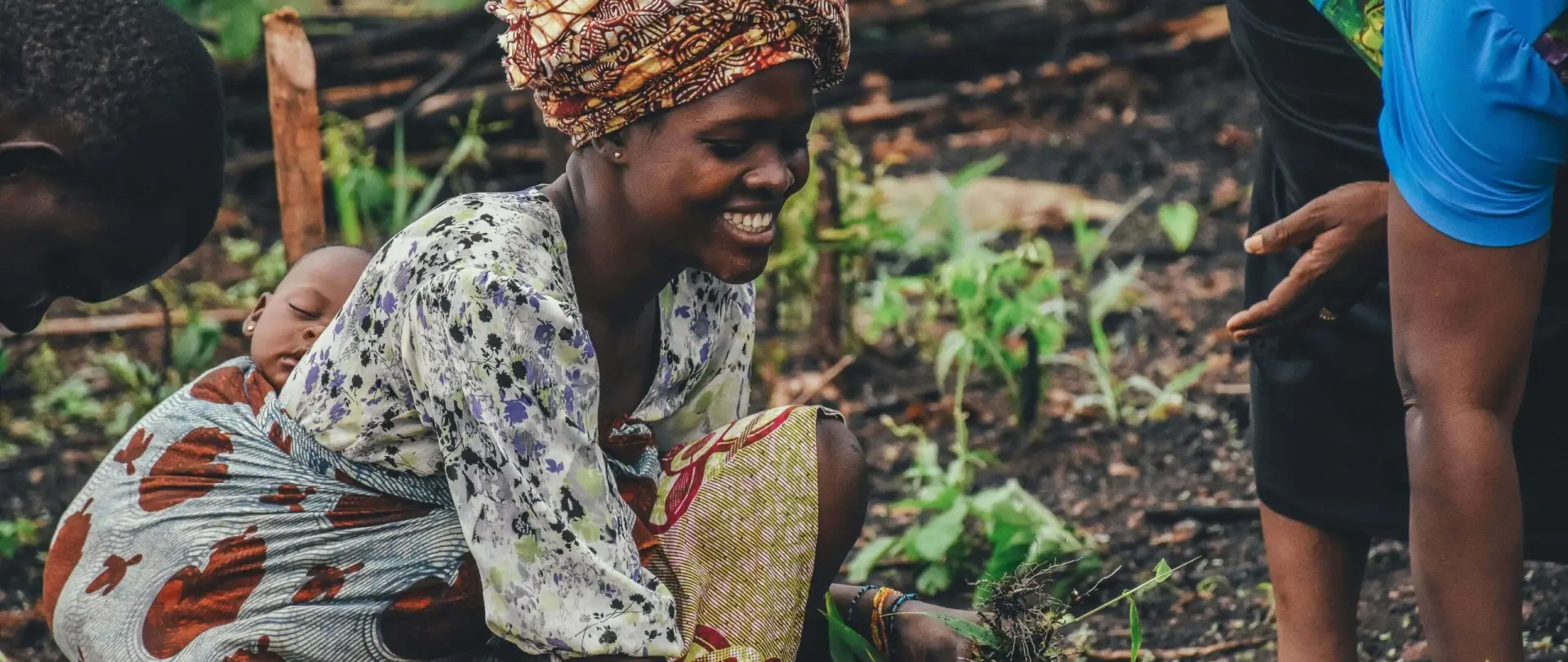
our story
Our History
January 2003
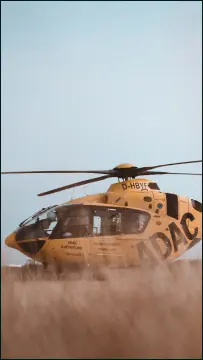
January 2005
January 2006
January 2007
FOUNDING STORY
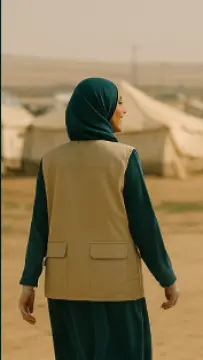
Islamic Help began as a small mosque‑based effort supporting a handful of schools and orphans in Pakistan, years before we were formally registered. In 2003, community leaders turned that informal generosity into a charity so they could serve more people with transparency and structure. Our first major response came soon after, when a devastating earthquake struck Bam, Iran, and worshippers raised almost £25,000 in just a few hours.
That appeal showed a local congregation in Birmingham could stand with families thousands of miles away, regardless of sect or background. From those early days, our history has been shaped by one simple instinct: when we see suffering, we organise, give and go, trusting that even a small team can make a global difference.
EARLY GROWTH /
FIRST PROJECTS
The 2004 Boxing Day tsunami in Indonesia pushed Islamic Help beyond South Asia, as we partnered with local organisations in Aceh to rebuild orphanages and support shattered communities. But the 2005 Pakistan earthquake became our defining early milestone. Within days, community fundraising raised about £2 million in a single week, filling our mosque with donated medical supplies, clothing and shelter materials.
Working with volunteer surgeons, we helped establish a 200‑bed trauma unit at Al‑Shifa hospital in Rawalpindi and a longer‑term rehabilitation programme in Abbottabad. Helicopter airlifts, mountain distributions and youth‑led initiatives like sleep‑outs on Stratford Road turned a small charity into a movement. Those years also saw our first structured water projects in Darfur and Niger–Mali and the roots of our orphan, volunteer and medical programmes that continue today.
How we work
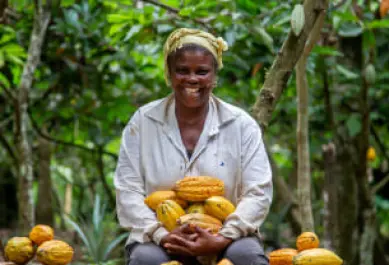
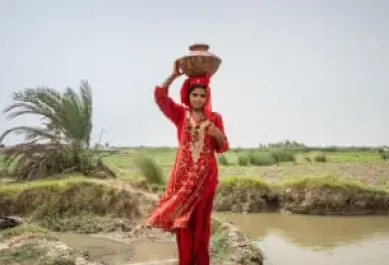
From the start, Islamic Help’s way of working has been practical, lean and deeply community‑led. In Pakistan’s earthquake zone, Somalia’s famine, and Tanzania’s remote islands, our teams have partnered with local doctors, elders, and volunteers rather than creating heavy bureaucracy. We specialise in going where others often struggle: flying supplies by Chinook and Mi‑26 helicopter into Neelum Valley, setting up temporary cholera units during Pakistan’s floods,
or supporting acid‑burn survivors and children needing complex surgery. Over time, we added structured volunteer deployments, such as Mission Possible, and long‑term programmes in water, livelihoods, education and environmental projects. Across each chapter of our history, the method has stayed consistent: listen first, act quickly, stay accountable, and keep the focus on dignity and real change for the people we serve.


Explore Islamic Help’s Lifesaving Impact
IH newsroom
Latest Impact
Emergency Response Update
Stay informed on emergency response efforts, highlighting rapid aid delivery, ongoing challenges, and how support is reaching comm…
Learn More
Latest Impact
Faith in Action: What Giving Looks Like Around the World
Explore how charitable giving transforms lives globally, showcasing real examples of compassion, impact, and faith in action acros…
Learn More
Latest Impact
Hadith on Charity: What the Prophet ﷺ Taught Us
Explore hadith on charity, learning how the Prophet ﷺ taught generosity, kindness, and sincere giving, showing charity extends bey…
Learn More