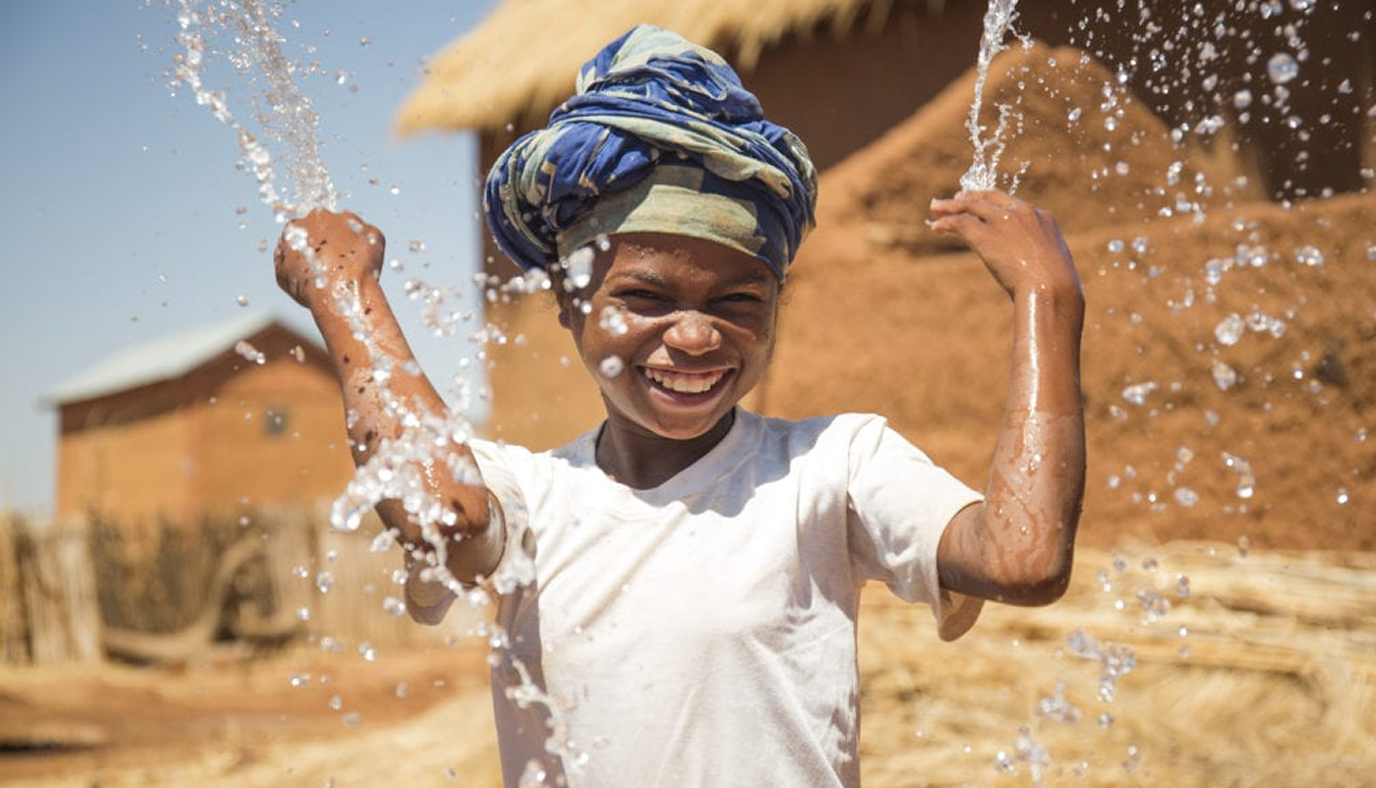
Sadaqah
Use this space to inspire action – explain the heart of the project and what supporters can help achieve 120ch max
What is Sadaqah?
Sadaqah is the Arabic term for voluntary charity given for the sake of Allah. Unlike Zakat, which is an obligatory alms, Sadaqah is any act of giving or kindness done out of compassion and faith. It can be monetary or non-monetary. Even a simple good deed, like a smile or helping someone, counts as Sadaqah. At its core, Sadaqah is about sincerity and generosity, offering help to others purely to please God.
Scholar Approved 02/10/26
This Ramadan, your Sadaqah carries multiplied reward.
Support families in crisis and turn your generosity into lasting mercy. Give now to uplift lives.
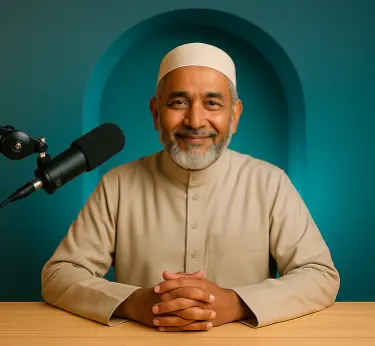
“An Islamic quote that relates to this form of giving. If there is no specific quote appropriate, a general quote on the importance of giving that could still relate to project”
How and when can I give Sadaqah?
You can give Sadaqah anytime, in any amount, to virtually any reasonable cause. There are no fixed rules or specific times; it’s a year-round opportunity to earn rewards. Sadaqah can be as simple as feeding a hungry person, donating to a charity,
or lending a helping hand to a neighbour. Big or small, every sincere act of giving counts. Since Sadaqah isn’t limited to specific recipients, you can help Muslims and non-Muslims alike, wherever there’s need.
“Quote from a beneficiary about a relevant cause included in giving.”
Name, Age, Location
How your [Islamic giving type] are used
Giving Sadaqah brings immense spiritual and social benefits. Prophet Muhammad (peace be upon him) taught that charity never decreases one’s wealth; instead, it blesses and purifies one’s income. Sadaqah extinguishes sins like water extinguishes fire, protecting you from misfortune.
It’s a path to Allah’s pleasure and even a gateway to Paradise for the generous. On a human level, your Sadaqah eases someone’s hardship, spreads kindness, and strengthens community bonds, leaving a lasting impact on both giver and receiver.

Why is Sadaqah so rewarding?
Giving Sadaqah brings immense spiritual and social benefits. Prophet Muhammad (peace be upon him) taught that charity never decreases one’s wealth; instead, it blesses and purifies one’s income. Sadaqah extinguishes sins like water extinguishes fire, protecting you from misfortune.
It’s a path to Allah’s pleasure and even a gateway to Paradise for the generous. On a human level, your Sadaqah eases someone’s hardship, spreads kindness, and strengthens community bonds, leaving a lasting impact on both giver and receiver.
How is Sadaqah different from Zakat?
While both are forms of charity, Sadaqah and Zakat differ in key ways. Zakat is a compulsory annual almsgiving due on Muslims who meet a minimum wealth threshold, and it has strict guidelines on eligible recipients. Sadaqah, by contrast, is entirely voluntary and has no set amount or time;
you can give whenever you feel moved to help. Additionally, Sadaqah can benefit anyone in need, not just the specific categories of people eligible for Zakat. In short, Zakat is an obligation to purify wealth, whereas Sadaqah is an ongoing opportunity to gain blessings through any act of kindness.
“An Islamic quote that relates to this form of giving. If there is no specific quote appropriate, a general quote on the importance of giving that could still relate to project”
Understanding Sadaqah and
Sadaqah Jariyah
Sadaqah is a voluntary act of charity that offers immediate help – like feeding someone in need, donating money, or offering a kind word. It meets urgent needs in the moment and brings instant reward.Sadaqah Jariyah, on the other hand, is a form of ongoing charity that continues to benefit others long after it’s given.
Whether it’s building a well, supporting education, or planting a tree, the reward flows even after you’ve passed away – as long as people continue to benefit. Both are deeply encouraged in Islam. One uplifts now. The other uplifts for generations.
Understanding Sadaqah
and zakat
Sadaqah and Zakat are both powerful forms of giving in Islam, but they serve different purposes and carry different obligations.
Sadaqah on the other hand is voluntary charity – it can be given at any time, in any amount, and even through non-financial acts like a smile, a kind word, or a helping hand. Zakat, on the other hand, is an obligatory charity owed annually by Muslims whose wealth
meets or exceeds the nisab threshold. While Zakat has specific rules on how and where it must be spent, Sadaqah can support a wider range of causes. Both are rooted in compassion, but Zakat fulfils a religious duty, and Sadaqah reflects the sincerity and generosity of the heart.
“An Islamic quote that relates to this form of giving. If there is no specific quote appropriate, a general quote on the importance of giving that could still relate to project”
Give your [Giving Type] with intention, and help change a life today.
Donate your [Giving Type] NowFrequently Asked Questions
-
Is Sadaqah mandatory in Islam?No. Sadaqah is a voluntary charity, not an obligation like Zakat. You won’t be sinful for not giving Sadaqah, but you would miss out on its rewards and the opportunity to help others. Islam strongly encourages giving Sadaqah regularly as a sign of compassion and true faith.
-
How much Sadaqah should I give?There’s no fixed amount; give whatever you are able. Even a small amount given sincerely is valuable. Some people give a little each week or month, others donate on special occasions. The main thing is to provide within your means. Regular, consistent charity (even if modest) is encouraged.
-
What can I give as Sadaqah?Sadaqah isn’t limited to money. Any act of kindness done for Allah’s sake counts as charity. You can give money, food, clothing, or even your time and skills. For example, volunteering, teaching beneficial knowledge, helping a neighbour, or even a kind word or smile, all these can be Sadaqah because they benefit others.
-
Who can receive Sadaqah?Anyone in need or any beneficial cause can receive Sadaqah. Obviously, the poor and vulnerable (orphans, widows, refugees, etc.) are prime recipients. But Sadaqah can also fund community projects, such as building wells or schools, or even help animals (e.g., feeding strays). Essentially, any genuine need, whether for Muslims or non-Muslims, qualifies for Sadaqah.
-
Can I give Sadaqah on behalf of someone else (alive or deceased)?Yes, you can give Sadaqah on behalf of someone living or deceased. If the person has passed away, they continue receiving a reward from the charity. If they’re alive, it’s best to get their permission. Always ensure the donation comes from your own wealth, not theirs.
-
Are there special times or days to give Sadaqah?Sadaqah can be given anytime; there’s no wrong moment for charity. Some periods are more virtuous. For example, giving during Ramadan yields a greater reward. Also, other blessed days can carry extra blessings. However, these are just bonus opportunities. The best time to give Sadaqah is whenever help is needed.
Real Stories, Real Impact
IH newsroom
Latest Podcast

Field Voices: Winter Aid
Hear about our latest Mission Possible deployment where safe water projects transformed daily life for entire villages.
Listen Now
IH Watch
Gaza Emergency: Updates from the field
Smiles, laughter and relief as families see clean water spring to life for the very first time. Hope and dignity for the displaced…
Watch Now
Latest Impact
Celebrating Clean Water Milestones
Celebrate the impact of clean water projects, highlighting milestones achieved, lives transformed, and communities gaining safe, r…
Learn More