
Make this ramadan count
From Aqiqah to Zakat, fulfil your Islamic duties through giving that uplifts lives and brings lasting spiritual reward.
What is Ramadan?
Ramadan is the holiest month for Muslims, a time of fasting, prayer, Qur’an, and compassion. For a lunar month, Muslims fast daily from dawn to sunset, abstaining from food and drink to draw closer to Allah.
This fast (sawm) is one of the Five Pillars of Islam, obligatory for all able adult Muslims. It is a month of spiritual reflection, discipline, and worship. Muslims strive to purify their hearts, strengthen their faith, and practice patience and kindness.
-
Focus on worship and don’t miss the reward of Laylatul Qadr using My Ten Nights.
Launch My Ten Nights -

Give more than a gift – give Sadaqah Jariyah. Empower lives in your name or a loved one’s
Explore Eid Gifts -
View or download daily prayer and fasting times to stay on track this Ramadan.
Download Ramadan Calendar -
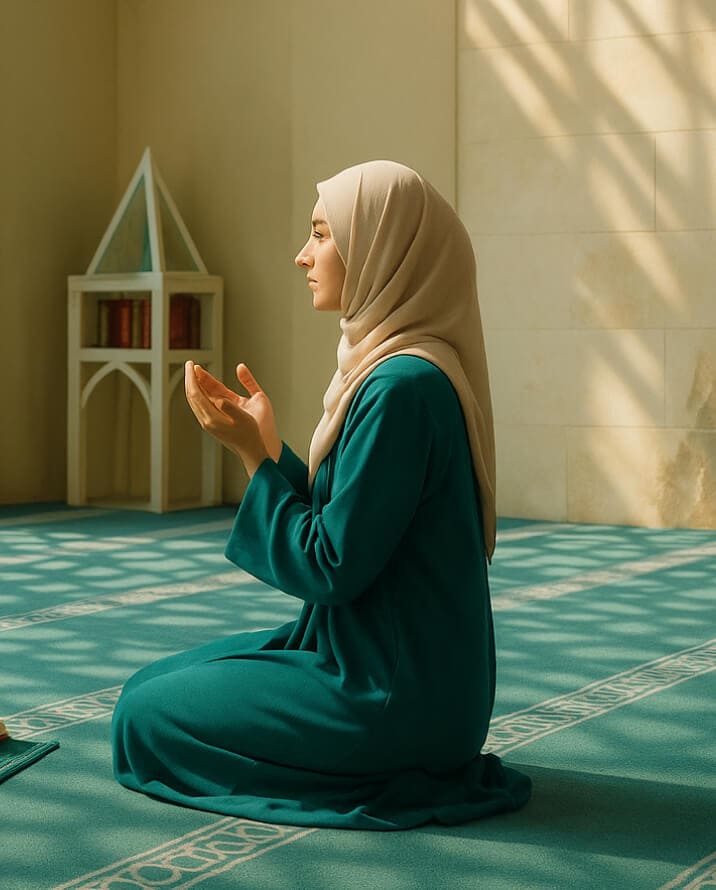
Deepen your connection with Allah through daily du’as, Qur’an tracking and reflection.
Download Ramadan Workbook -
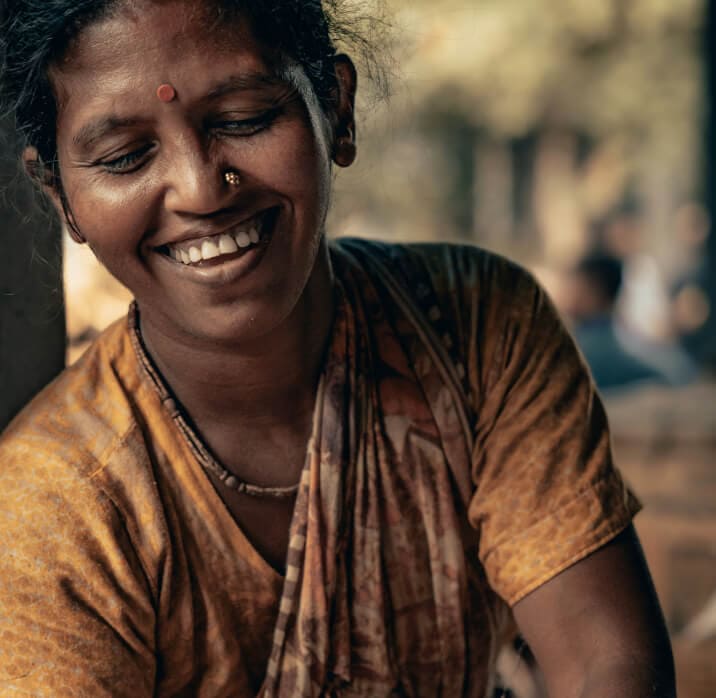
Zakat brings dignity. Use our calculator to give with ease. Give your Zakat, change a life.

Why is charity emphasised in Ramadan?
Fasting in Ramadan makes us experience hunger and thirst, reminding us of those who struggle daily without food. This instils empathy and compassion. Prophet Muhammad (peace be upon him) was the most generous during Ramadan, setting a high example.
In this holy month, good deeds earn multiplied rewards, so charity given in Ramadan is especially beloved to Allah. By giving during Ramadan, you purify your wealth, earn extra blessings, and lift those in need.
Real Stories, Real Impact
IH newsroom
IH Watch
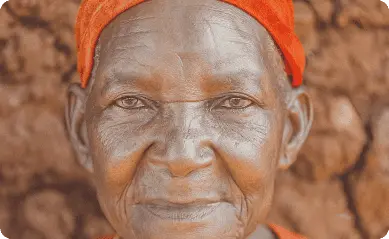
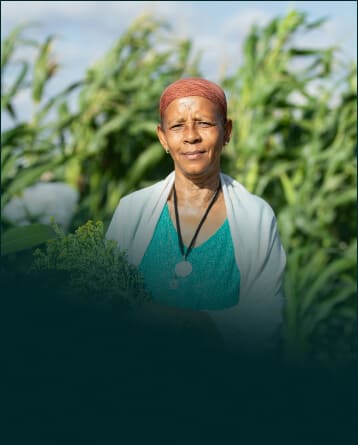
The Grandmother who raised a village by herself
Smiles, laughter and relief as families see clean water spring to life for the very first time. Hope and dignity for the displaced…
Watch Now
IH Watch
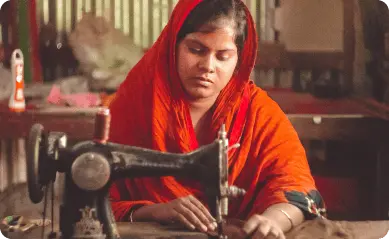
Stitching Hope: Sewing Machines Creating Futures with Dignity
Smiles, laughter and relief as families see clean water spring to life for the very first time. Hope and dignity for the displaced…
Watch Now
IH Watch
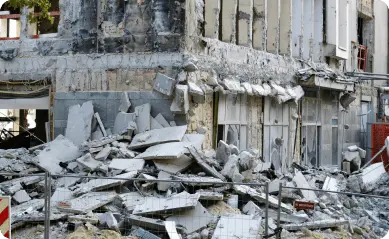
Gaza Emergency: Updates from the field
Smiles, laughter and relief as families see clean water spring to life for the very first time. Hope and dignity for the displaced…
Watch Now
Acts of giving in Ramadan
Muslims often pay their annual Zakat during Ramadan to maximise the reward. At the end of Ramadan, Zakat al-Fitr (Fitrana) is given before Eid, ensuring every needy person can enjoy the celebration. Beyond these, any Sadaqah (voluntary charity) is highly encouraged,
from donating money to providing iftar meals. Feeding someone at iftar carries immense reward. Whether you sponsor a food parcel, support an orphan, or give to your local mosque, every act of charity in Ramadan is multiplied in value and impact.
The blessings of the last ten nights
As Ramadan nears its end, the last ten nights are exceptionally blessed, including Laylatul Qadr (the Night of Power), which is better than a thousand months. Muslims increase their worship and charity during these nights, seeking maximum reward.
By giving consistently each night, you ensure you won’t miss donating on Laylatul Qadr. Many believers automate donations across all ten nights, ensuring each night includes a charitable donation. It’s a beautiful way to end Ramadan, encapsulating the true spirit of devotion, generosity, and hope for salvation.
Explore Causes
Don’t miss your chance to give in the
most blessed month
- What We Do
- Where We Help
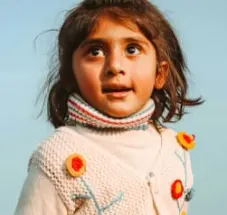
Child welfare
Give every child a chance to grow with safety, education, and love through care that transforms lives.
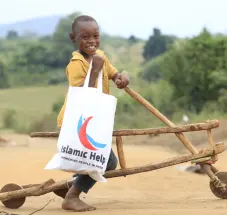
Environment
Protecting natural resources while building resilient communities for generations to come.
Food

Livelihood
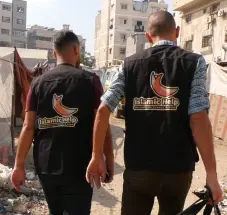
Medical
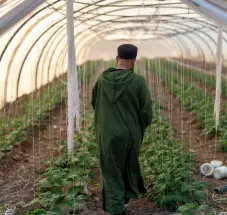
MOC old projects

Refugee Support
Delivering life-saving aid and long-term support to refugees facing crisis, displacement, and uncertainty.
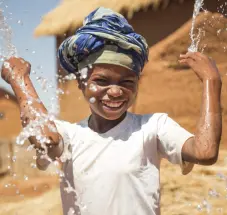
Water
Provide access to clean water where it is scarce or unsafe.
Child welfare
Give every child a chance to grow with safety, education, and love through care that transforms lives.
Environment
Protecting natural resources while building resilient communities for generations to come.
Food
Livelihood
Medical
MOC old projects
Refugee Support
Delivering life-saving aid and long-term support to refugees facing crisis, displacement, and uncertainty.
Water
Provide access to clean water where it is scarce or unsafe.
Frequently Asked Questions
-
Why is Ramadan important in Islam?Ramadan is the ninth month of the Islamic lunar calendar and commemorates the revelation of the Qur’an. It is a period of fasting, prayer, reflection, and increased charity. Muslims abstain from food and drink from dawn to sunset to develop self-discipline and spiritual awareness. The month encourages personal growth and a stronger connection with faith.
-
Who is exempt from fasting during Ramadan?Fasting during Ramadan is obligatory for adult Muslims who are physically and mentally able. Those exempt include the sick, travellers, pregnant or breastfeeding women, and the elderly if fasting would cause harm. Missed fasts are either made up later or compensated through fidyah. Islam prioritises wellbeing and compassion when granting these exemptions.
-
What breaks the fast during Ramadan?A fast begins at dawn and ends at sunset. During fasting hours, Muslims abstain from food, drink, and marital relations. The fast is broken at sunset, traditionally with dates and water, followed by a meal, while maintaining mindful and ethical behaviour throughout the day. Evening meals are often shared, strengthening family and community ties.
-
Does accidental eating invalidate a fast?No, eating or drinking forgetfully does not break your fast. If done unintentionally, you may continue fasting. Only deliberate acts, such as eating, drinking, or engaging in intimacy, during daylight hours invalidate the fast. Fasting also involves self-discipline, spiritual focus, and refraining from harmful behaviour throughout the day.
-
What are Taraweeh prayers?Night prayers known as Taraweeh are special voluntary prayers performed during Ramadan after the evening prayer. They offer an opportunity for extended worship and reflection, often including the recitation of the Qur’an, and are highly encouraged but not obligatory. Many mosques host congregational prayers throughout the month.
-
Why is charity emphasised during Ramadan?Charity is highly encouraged in Ramadan because rewards for good deeds are multiplied. The Prophet ﷺ said the best charity is given during this month. Muslims often increase their giving, support the poor, and fulfil their Zakat obligations, making Ramadan a time of compassion, community care, and spiritual generosity.