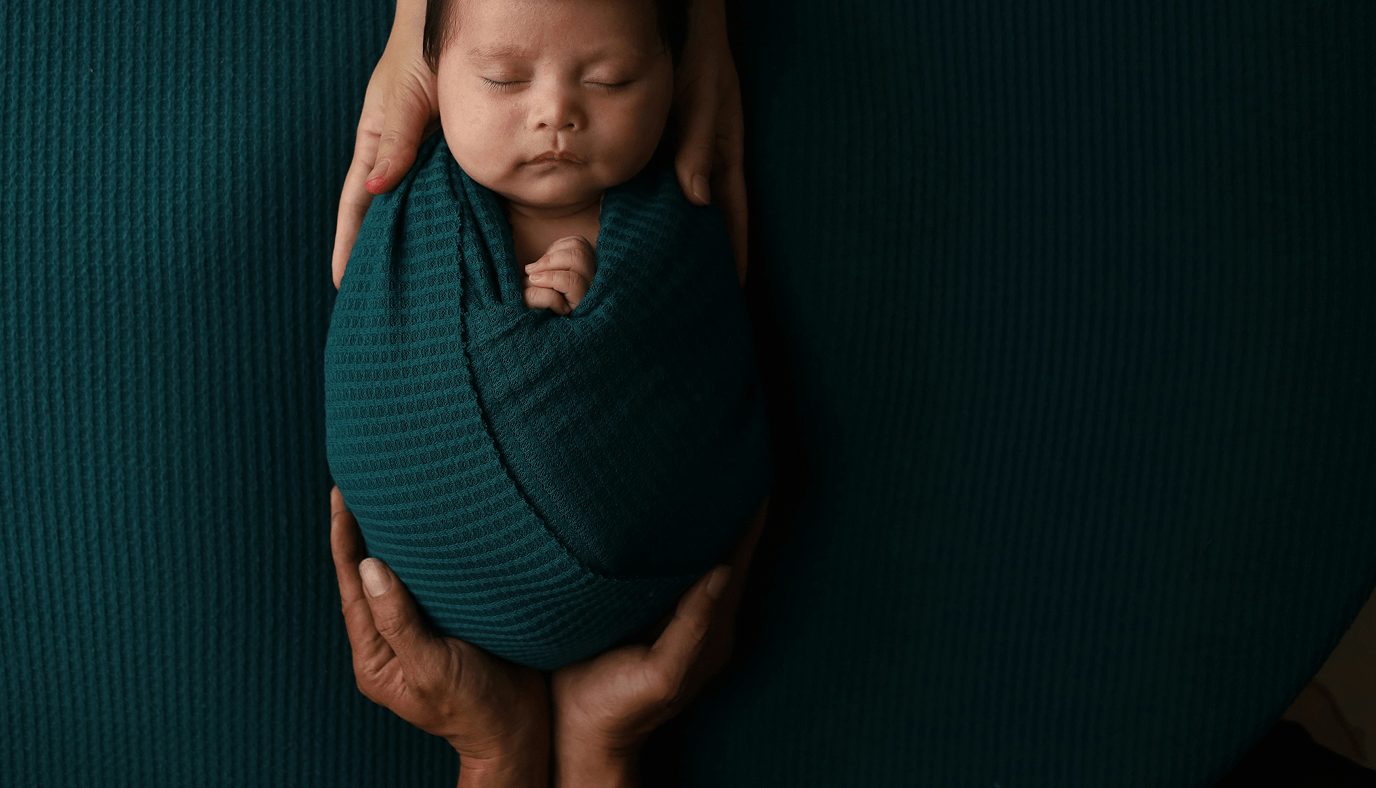
Aqiqah donations
Celebrate your newborn with Aqiqah – a Sunnah of the Prophet (PBUH) and a beautiful act of gratitude and giving.
£50
Baby Girl
0
Mark the blessing of a baby girl with a goat shared as mercy with those facing hunger.
£100
Baby boy
0
Celebrate a baby boy with two goats shared as a blessing with families in need.
£100
Sadaqah
0
Honour the Sunnah by giving Sadaqah equal to the newborn’s hair in silver – £10 brings barakah and benefit to others.
What is Aqiqah?
Aqiqah is a Sunnah practice of sacrificing an animal to celebrate the birth of a child in Islam. It is a token of gratitude to Allah for the gift of a newborn. Traditionally, the parents offer an Aqiqah for their baby, generally two goats or sheep for a boy and one for a girl, though any affordable equivalent can be given. The act is accompanied by naming the child and shaving the baby’s hair, symbolising purification and the child’s dedication to Allah.
Scholar Approved 02/12/26
This Ramadan, your Sadaqah carries multiplied reward.
Support families in crisis and turn your generosity into lasting mercy. Give now to uplift lives.
How is Aqiqah performed?
The Aqiqah sacrifice is ideally done on the seventh day after the baby’s birth (or on the 14th or 21st day if needed). The family slaughters the animal in a halal way, pronouncing Allah’s name and prayers for the child. After the sacrifice, the meat is divided among
family, friends, and especially the poor. By feeding others in celebration, the family shares their joy and gains the reward of charity. (Even if Aqiqah is done later than the recommended days, performing it whenever feasible still brings blessings for the child.)
Why is Aqiqah important?
Aqiqah carries spiritual and social significance. It allows parents to thank Allah for their child and seek His blessings for the newborn. Prophet Muhammad (peace be upon him) recommended Aqiqah, saying this sacrifice safeguards a child.
The charitable aspect ensures that the celebration benefits others, too, as poor families can partake in the joy through the meat provided. Aqiqah fosters community bonds and begins the child’s life with an act of generosity and devotion.
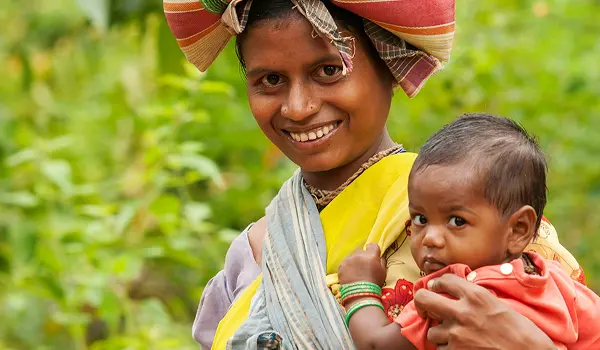
Give your Aqiqah with intention, and help change a life today.
Donate your Aqiqah NowFrequently Asked Questions
-
What is the purpose of Aqiqah?Aqiqah is a sunnah act performed to celebrate the birth of a child. It involves sacrificing an animal, distributing the meat to family, friends, and those in need, and expressing gratitude to Allah. It reflects joy, responsibility, and remembrance of Allah’s blessings as it welcomes the child into the wider community.
-
When should Aqiqah be performed?Traditionally, Aqiqah is performed on the seventh day after a child’s birth. However, if this is not possible, it may be carried out later. The obligation does not expire, allowing parents flexibility to perform Aqiqah when circumstances permit. This flexibility makes the practice accessible to all families.
-
How many animals are required for Aqiqah?For a baby boy, two animals are recommended, while one animal is sufficient for a baby girl. This distinction follows prophetic tradition. However, if circumstances are limited, scholars agree that sacrificing one animal for a boy is still acceptable. Intention and sincerity remain more important than numbers.
-
Are there other acts associated with Aqiqah?Alongside the sacrifice, it is recommended to shave the baby’s hair and give charity equal to its weight in silver. The child is also formally named. Together, these acts mark a crucial spiritual milestone and reflect gratitude, purification, and generosity from the earliest stages of life.
-
Is Aqiqah obligatory in Islam?Aqiqah is a sunnah mu’akkadah, meaning it is highly recommended but not obligatory. Financially able parents are encouraged to perform it, but no sin is incurred if it cannot be done due to financial or practical constraints. Islam emphasises ease and avoids placing hardship on families.
-
How should Aqiqah meat be distributed?The meat from Aqiqah can be distributed among relatives, friends, and the poor. There are no strict restrictions on how it must be shared, allowing families to cook and distribute it in ways that benefit others and strengthen social bonds. The focus remains on generosity and gratitude rather than formality.
Real Stories, Real Impact
IH newsroom
Latest Impact
What Is Aqiqah? Meaning, Rules, Timing, and How It’s Performed
Understand what Aqiqah is, its meaning, rules, and timing, and how this Sunnah honours a child’s birth through worship, charity, a…
Learn More
Latest Impact
When Should Aqiqah Be Performed?
Learn when Aqiqah should be performed, recommended timing after birth, and how flexibility in Islam allows parents to fulfil this …
Learn More
Latest Impact
How Many Animals Are Needed for Aqiqah? Rules for Boys and Girls Explained
Learn how many animals are required for Aqiqah, differences for boys and girls, and the Islamic guidance behind these rulings and …
Learn More
Latest Impact
How to Perform Aqiqah Properly: Animals, Method, Distribution, and Sunnah
Learn how to perform Aqiqah correctly, including animals, method, and distribution, ensuring this Sunnah is fulfilled with sinceri…
Learn More
Latest Impact
Is Aqiqah Obligatory in Islam? Sunnah Status, Scholarly Views, and Missed Aqiqah
Learn whether Aqiqah is obligatory or Sunnah, explore scholarly views, and understand its spiritual significance, flexibility, and…
Learn More
Latest Impact
Aqiqah vs Qurbani: Understanding the Difference Between These Two Islamic Sacrifices
Understand the difference between Aqiqah and Qurbani, their purposes, timing, and how each Islamic sacrifice serves distinct roles…
Learn More