Who Can Receive Fitrana?
Latest News

Who Can Receive Fitrana?

Learn who is eligible to receive Fitrana, ensuring your donation reaches those in need and fulfils Islamic guidelines correctly and responsibly.

Eligible Recipients of Fitrana

Fitrana is collected to help those in need – but who exactly qualifies to receive it? In this post, we’ll discuss who can receive Fitrana, i.e., who the intended beneficiaries of this special charity are. Understanding this helps us appreciate why we give Fitrana in the first place, and it guides us (and the charities we choose) to get the donations to the right people. By the end, you’ll know the types of individuals or families your Fitrana is meant to support, and how that support makes a difference in their Eid celebration.

Islamically, Fitrana is a form of Zakat, and thus it falls under the Zakat distribution guidelines to some extent. However, Fitrana’s key focus is on the poor and needy. In fact, many scholars state that the recipients of Fitrana should ideally be the first two categories of the eight Zakat categories mentioned in the Qur’an, the poor (fuqara’) and the needy (masakin). These terms cover people who are struggling to meet basic living requirements. Essentially:

  • The Poor (Fuqara’): Those who have very limited means. They might have some income or food, but it’s not enough to cover even a minimal standard of living. They often go hungry or lack adequate clothing or shelter. In the context of Eid, these are families who wouldn’t be able to put a proper meal on the table without assistance.


  • The Needy (Masakin): Those who are slightly better off than the poor, but still in hardship. Perhaps they have day-to-day food but nothing extra, or they live on the edge of poverty. They might not beg or ask openly, but they silently struggle. They, too, are eligible to receive Fitrana to ease their burden.

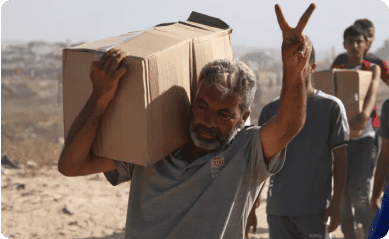
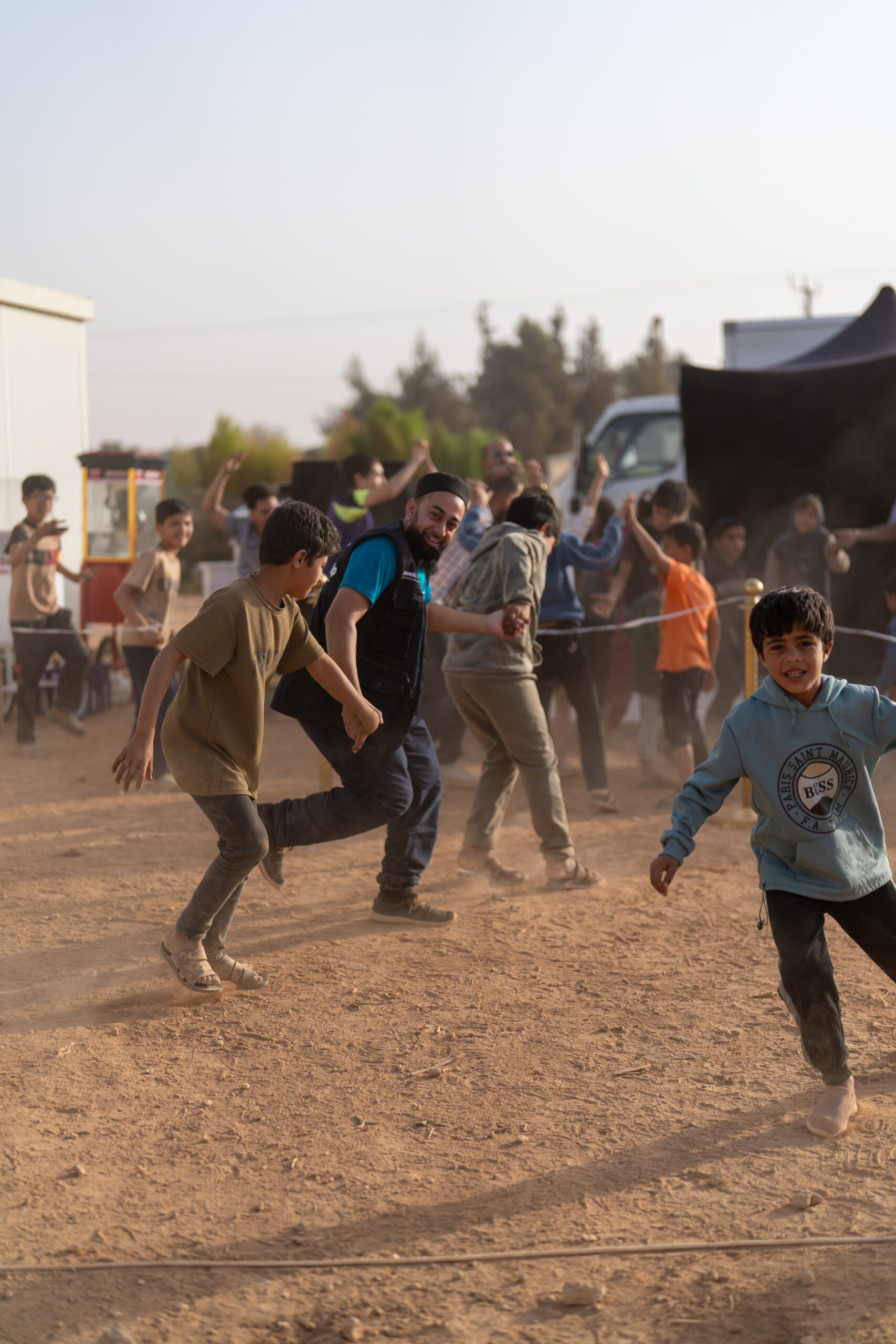
By prioritising these groups, Fitrana directly addresses hunger and poverty at a grassroots level, ensuring that those who can barely afford food get it. Now, in a broader sense, other Zakat categories (such as indebted, travellers in need, etc.) exist, but given the purpose of Fitrana (ensuring everyone can celebrate Eid), most classical and contemporary scholars agree that we funnel Fitrana specifically to people in financial distress and food insecurity. For example, a refugee camp, an orphanage, or a slum area would have many people eligible for Fitrana. Another scenario is local poverty: there might be families in your town who live hand-to-mouth; they, too, are rightful recipients. Sometimes people also give Fitrana to Miskin persons who might have some income but have large expenses (like medical bills or debts) that render them in need. As long as they are genuinely in hardship, they can receive it. The key is that the recipient should be someone who would benefit from a bit of help managing a decent Eid meal and basic needs. It’s also traditionally recommended that Fitrana be given to Muslim recipients (since it’s an Islamic charity and meant to foster Eid joy in the Muslim community). However, some scholars allow giving to non-Muslims in need as a general act of charity, but only to fulfil the Zakat al-Fitr obligation; most tend to focus on needy Muslims so they too can celebrate Eid. Of course, helping any human in need is good, but the idea of Eid unity is that every Muslim has food that day.
Why Fitrana Goes to the Needy (Purpose of Distribution)

Fitrana has a beautiful goal: to ensure no one is left out on Eid because of poverty. The distribution to the needy ensures that the joy of Ramadan and Eid is shared. There’s a well-known hadith that “the Prophet (PBUH) enjoined Zakat al-Fitr… to provide food for the needy, highlighting feeding the poor as a core reason for this charity. This focus sets Fitrana apart from other forms of charity, which might fund a range of activities (such as water wells, education, etc.). Fitrana is very specific: it’s about food and Eid. The wisdom here is multi-fold:

  • Dignity on Eid: By providing the poor with resources to eat well, we preserve their dignity. On a day when everyone wears nice clothes and feasts, the less fortunate shouldn’t have to feel ashamed or left out. Fitrana gives them the means to prepare something special as well. It’s not just about calories and nutrition; it’s about inclusion and happiness. Imagine the Prophet’s community in Madinah: with Fitrana, the poorest among them, enjoying the same Eid feast as others, eliminating feelings of envy or misery on that celebratory day.


  • Purifying the Givers: From the giver’s perspective, knowing their money is going straight to someone’s meal purifies their fast and instils gratitude. When you hand a bag of rice to a needy family or when you donate £5 that you know will put food on another’s table, it cleanses your soul of greed and selfishness. It’s very direct in impact, which is spiritually uplifting.


  • Community Solidarity: When the whole community partakes in this giving and receiving, it strengthens bonds. The poor don’t feel forgotten; the rich and middle class actively engage with the plight of their brothers and sisters. This reciprocity means that on Eid morning, when people greet each other at the mosque, there isn’t a stark divide between those who have and those who don’t, because through Fitrana, everyone has something.


  • Immediate Impact Charity: Fitrana is not stored away for long-term projects. It’s meant to be immediately impactful. We give it, and within hours or days, it’s turned into food in someone’s hand. That immediacy is important because hunger is an urgent issue. It’s a charity of the moment, very much in line with the time-sensitive nature of Eid.

So, the reason Fitrana distribution zeroes in on the needy is because it’s designed as a short-term intervention to address a short-term need (food for Eid), which also has lasting spiritual effects. It complements the longer-term annual Zakat, which might address broader poverty alleviation. Think of Fitrana as a “safety net” that catches anyone who might otherwise fall through the cracks on the day of Eid. That’s why scholars often discourage using Fitrana money for anything other than giving food or cash to the poor; using it for other purposes (no matter how noble, such as building a mosque or school) would sidestep its primary objective.

Local vs. Global Distribution

One question that arises is whether Fitrana should be given locally or sent abroad. Traditionally, it was given locally; people would give Fitrana to the poor in their city or village, so that their own community’s poor were taken care of. This is still a very good practice. If you know individuals or families near you who are struggling, giving Fitrana to them first is excellent. It builds community and ensures no one in your vicinity goes hungry on Eid. However, in our globalised world, many people live in places where, comparatively, poverty isn’t as extreme as in other parts of the world. For instance, a Muslim living in a wealthy country might choose to send their Fitrana to a country where famine or war has left people in dire need. This is generally considered permissible, especially if the local need is already met or minimal. Organisations like Islamic Help often facilitate Fitrana distribution in countries where a £5 donation might feed someone who truly has nothing. There’s a strong appeal to doing that, as the impact can be very significant. Yet, one should balance: if there are the poor in your neighbourhood, don’t overlook them either. Some people split, they give some Fitrana locally and some via a charity abroad. Either way is acceptable as long as the recipients are eligible. The spirit is: give where it will do the most good. If, in your assessment, that’s your hometown, do so. If it’s an impoverished refugee camp overseas, that’s fine too. The main thing is that whoever receives it gets it in time for Eid, and that it reaches those truly in need. Also, a note: the person receiving Fitrana should ideally be given enough (especially if done individually) to actually make a difference for Eid. If a family is large, just handing out one person’s Fitrana (£5) might not be enough for all of them. When charities distribute food, they pool funds and ensure each family receives a suitable amount. If you’re giving directly to a family, be mindful and generous if you can. Some people give more than just the bare minimum if they know the family’s needs. But at minimum, the Fitrana you owed should go.

Ensuring Fitrana Reaches the Right People

To truly fulfil your Fitrana duty, it’s not just about paying, it’s about making sure that the payment is delivered to and used by those eligible. Here are some tips to ensure your Fitrana reaches the right people:

  • Give Through Trustworthy Channels: If you’re donating via a charity (like Islamic Help or others), choose one with a good track record in Ramadan distributions. They should ideally have specific Fitrana or Zakat al-Fitr projects. Reputable charities will often highlight how they implement Fitrana, e.g., providing food baskets in certain countries by Eid. Using an established organisation reduces the risk of funds being misappropriated or lost.


  • Local Mosque Collections: Many mosques collect Fitrana and then distribute it to needy local families or sometimes send it abroad. If your mosque announces such a collection, that’s a convenient and usually reliable way. They often have a list of needy community members or partners in poorer countries. Just be sure to give in time (usually mosques set a deadline a couple of days before Eid).


  • Direct Giving: If you know a person/family in need, giving directly can be very impactful. You could quietly give them cash or food equivalents before Eid. If giving cash, you might gently suggest, “This is for Eid, to buy some necessities.” Privacy and dignity are important; it’s good to give in an envelope or through a community elder to avoid embarrassing them. Direct giving ensures 100% of it goes to that person, but make sure the person is genuinely eligible (e.g., not someone who will misuse it). Food gifts (like a hamper of groceries) can also be a great way, as it ensures they have food to cook.


  • Confirmation of Distribution: When possible, confirm that distribution took place correctly. For example, many charities will send reports or at least post updates on their websites or social media, showing that Fitrana distributions are being carried out. While you don’t want to be overly worried (trust in Allah is key after you do due diligence), it’s reassuring to see that your donation did what it was supposed to. If you gave locally to someone, you might discreetly check that families got the help.


  • Focus on Food/Consumables: Ensure the Fitrana is used to provide food or other immediate necessities to the poor, not for any other purpose. If you’re donating items, think food staples, maybe new clothes or sweets for kids for Eid, etc. Money is often the easiest option, as families can then choose what food they want for Eid. If a charity is using the Fitrana for something like giving cash grants or food vouchers, that’s perfectly fine.


  • Avoiding Ineligible Recipients: Certain people should not be given Zakat or Fitrana, like those from the Prophet’s family (they are traditionally not allowed to take Zakat), but this is less of a concern in general unless you specifically know someone is from that lineage and follows that rule. Also, you can’t give Fitrana to your own dependents (you cannot count giving your kids money as Fitrana; you must give to someone you’re not already obligated to support). Usually, these conditions are automatically met if you give to clearly poor folks outside your immediate responsibility.


  • Split If Necessary: If there’s no single needy person around you, but you know a charity can distribute globally, you might choose that route. Or vice versa. The idea is to make a conscious choice of how your Fitrana will reach the poor, rather than just ticking a box. That intention and care count in the eyes of Allah.

By ensuring the right recipients, you fulfil not only the letter of the obligation but its spirit. It can be a meaningful part of your Ramadan experience to actually see or know about the impact, like seeing pictures of a family in Yemen receiving a food pack, or noticing the smile of a neighbour whom you secretly helped through the mosque. That’s where the true joy of giving Fitrana lies.

Internal Links: Fitrana recipients are usually the very poor, which is why the amount given is kept low. Read How Much Is Fitrana in the UK? to see how this is calculated to meet their needs. Also, understanding How Islamic Help Distributes Fitrana can give insight into how your donation is turned into food for those eligible to receive it.

FAQs:

  • Who are the main people to whom Fitrana is given?
    Fitrana is primarily given to people living in poverty, those who struggle to afford basic food and necessities. The idea is to target the poor and needy so they can have food for Eid. This includes low-income families, orphans, widows, refugees, and anyone in genuine financial hardship. Essentially, if someone cannot afford an Eid meal or is barely meeting their daily needs, they are the kind of person Fitrana should help.
  • Can Fitrana be given to non-Muslims or only Muslims?
    The traditional practice is to give Fitrana to Muslim poor, because it’s meant to enable our fellow Muslims to celebrate Eid without worry. However, it’s not absolutely forbidden to help non-Muslims in need with charity – kindness is encouraged for all. But to fulfil the specific religious obligation of Zakat al-Fitr, the safest approach is to give it to needy Muslims. You can always give additional charity to non-Muslim neighbours/friends separately if you wish.
  • Is it better to give Fitrana locally, or can I send it overseas?
    If there are people in need locally, it’s good to give locally so that your immediate community is taken care of first. But if local need is low or you feel it’s more urgent elsewhere, you can send it overseas through a reliable charity. Both ways are valid. The priority is that it reaches someone needy by Eid. Some people divide their Fitrana, some locally, some abroad. Do whatever it takes to ensure it helps those in greatest need in a timely manner.
  • What form is Fitrana given in to recipients?
    Often, Fitrana is given in the form of food (rice, flour, dates, etc.), because the aim is to provide an Eid meal. Many charities will distribute food packs to families. In other cases, it can be given directly to poor individuals as cash, which they can then use to buy what they need. Both are acceptable. The key is that it should be something that directly translates into nourishment/benefit for the poor, especially around Eid.
  • Can I give Fitrana to a specific person I know, or should it go through a charity?
    You can absolutely give it to a specific needy person or family if you know they qualify. For example, if you’re aware of a struggling family in your area, you can hand them the Fitrana amount (or food equivalent) discreetly before Eid. That’s a very direct way to fulfil it. Using a charity is helpful when you don’t personally know who needs it, or you want to reach faraway communities in crisis. Either method is fine; what matters is that the person receiving it is eligible, and it’s given in time.

updates that matter

Empower my Inbox

Volunteer

Vivamus lacinia lacus vel neque egestas, vitae volutpat purus dapibus. Nullam nec ultricies erat. Etiam ac urna metus.

    Updates that matter

    Join our mailing list for events, urgent appeals, and project updates from the communities you help empower.

      We use cookies to make your visit even better

      They help us understand how our website is used so we can improve your experience and share the stories and projects you care about most. All data is anonymous, and your privacy matters to us.
      We use cookies to make your visit even better