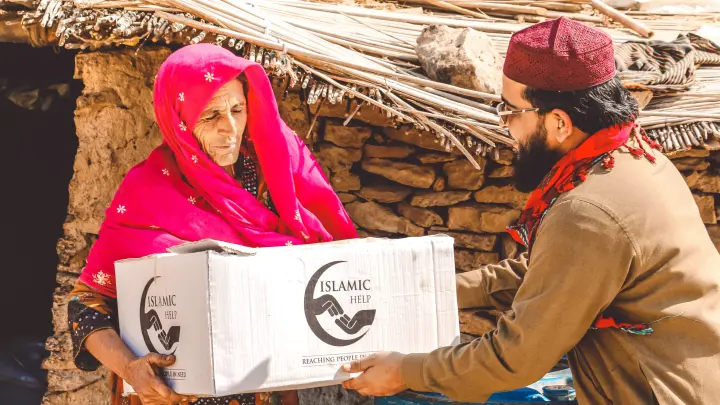
What Is Sadaqah? Understanding Voluntary Charity in Islam Introduction
Latest News

What Is Sadaqah? Understanding Voluntary Charity in Islam Introduction

Understand what Sadaqah is, its meaning as voluntary charity in Islam, and how everyday acts of kindness become worship through sincere intention.

What is Sadaqah? At its heart, Sadaqah is a voluntary charity in Islam, given freely and sincerely for the sake of Allah. It is not limited to money, wealth, or status. Instead, it reflects compassion, generosity, and faith expressed through action.

Giving charity in Islam is a way of turning everyday behaviour into worship. A kind word, a helping hand, or a small donation can all become Sadaqah when done with a sincere intention. This makes Sadaqah accessible to everyone, regardless of income or background.

Sadaqah strengthens communities and softens hearts. It allows believers to practise faith beyond rituals, transforming ordinary moments into acts of kindness and worship that carry spiritual meaning and reward.

بِسْمِ ٱللَّهِ ٱلرَّحْمَٰنِ ٱلرَّحِيمِ

“The example of those who spend their wealth in the way of Allah is like a seed that sprouts into seven ears, each bearing one hundred grains.”

The Meaning of Sadaqah in Islam

The Sadaqah meaning comes from the Arabic root sidq, which means truthfulness and sincerity. This reflects the essence of Sadaqah: a good deed performed honestly, without obligation, and purely for Allah’s pleasure.

While many people associate charity with money, Sadaqah includes all charitable acts. The Prophet Muhammad ﷺ taught that every good action is charity. Smiling at someone, removing harm from the road, or helping a person in need are all recognised as Sadaqah.

Financial Sadaqah remains important. A Sadaqah donation may involve giving money, food, clothing, or essential items. There is no minimum or maximum amount. What matters is sincerity, not size.

Sadaqah as an Act of Worship

Sadaqah is not just social good; it is an act of worship. When given for the sake of Allah, charity becomes a way to draw closer to Him.

The Prophet Muhammad ﷺ described Sadaqah as proof of faith. Giving requires trust that Allah will provide and reward generosity. This is why Sadaqah carries deep spiritual value.

Islam teaches that charity does not reduce wealth. Instead, it brings blessings. The Prophet ﷺ taught that charity extinguishes sins as water extinguishes fire, reminding believers that generosity purifies the soul.

Image Style 03 _ 3_2 (Scroll cards) (1)
Image Style 03 _ 3_2 (Scroll cards) (2)
Image Style 03 _ 3_2 (Scroll cards)
Image Style 01 _ 16_9 (2)
Media Cards

Sadaqah and Zakat: A Clear Distinction

Although often mentioned together, Zakat and Sadaqah are not the same.

Zakat is obligatory and one of the pillars of Islam. It applies only when wealth reaches the nisab threshold, calculated based on assets such as gold and silver. Eligible Muslims must pay it annually.

Sadaqah, by contrast, is voluntary. It has no fixed timing, no required amount, and no restriction on who may give it. Giving Sadaqah does not replace Zakat. If Zakat is due, it must still be paid separately.

Understanding this difference protects religious duties and ensures charity is given correctly.

Sadaqah During Ramadan and Beyond

Many people give Sadaqah during Ramadan, as rewards are multiplied and generosity increases. While Ramadan is a blessed time for charity, Sadaqah is not limited to one month.

Sadaqah can be given at any time, during hardship, gratitude, or reflection. Whether in Ramadan or outside of it, every act of charity remains valuable.

Sharing reminders or charitable appeals on social media can also be a form of encouragement, helping others engage in giving, as long as the intention remains sincere.

Everyday Examples of Sadaqah

Sadaqah can be practised daily in simple ways:

  • Financial charity: donating money to support those in need
  • Acts of kindness: helping someone carry a burden or offering guidance
  • Providing essentials: food, clothing, or even clean water
  • Good character: smiling, listening, showing patience
  • Removing harm: clearing obstacles that could hurt others

Each of these is a form of charity that carries a reward when done sincerely.

The Benefits of Sadaqah

The benefit of Sadaqah reaches both giver and receiver.

For the receiver, Sadaqah can relieve hardship, hunger, or distress. For the giver, it brings peace, gratitude, and spiritual growth. Charity protects from calamity, increases blessings, and earns reward in the hereafter.

On the Day of Judgement, Sadaqah will stand as protection for the believer. The Prophet ﷺ taught that charity will provide shade on that Day, highlighting its lasting value.

Sadaqah and Sadaqah Jariyah (Contextual Only)

It is important not to confuse Sadaqah and Sadaqah Jariyah.

Sadaqah refers to voluntary charity with immediate benefit. Sadaqah Jariyah refers to charity that continues to benefit others, such as building a well or supporting education.

The Prophet ﷺ taught that when a person dies, their deeds end except for three: ongoing charity, beneficial knowledge, and a righteous child who prays for them. While closely related, these are distinct forms of giving and are covered separately.

Who Can Give Sadaqah?

Anyone can give Sadaqah. Wealth is not required. Even those with little can give through time, effort, or kindness.

Islam values intention above amount. A small act done sincerely may carry a great reward, sometimes greater than a large donation given without care.

Conclusion

Sadaqah is a gift from Allah that allows believers to live their faith through generosity. Whether through money, actions, or words, Sadaqah transforms daily life into worship.

When you donate Sadaqah for the sake of Allah, you invest in both this life and the next. Every good deed matters, every act of kindness counts, and every sincere charity carries reward.

FAQs:

  • What is Sadaqah in Islam?
    Sadaqah is a voluntary charity given for the sake of Allah. It includes financial donations and non-material acts such as kindness, help, or removing harm. Any sincere good deed intended to please Allah counts as Sadaqah.
  • Is Sadaqah different from Zakat?
    Yes. Zakat is obligatory and one of the pillars of Islam, while Sadaqah is voluntary. Zakat has fixed rules and thresholds, whereas Sadaqah can be given at any time, in any amount, and in many forms.
  • Can Sadaqah be given during Ramadan only?
    No. While Sadaqah during Ramadan carries an increased reward, it can be given at any time. Charity is encouraged throughout the year whenever a need arises or generosity moves the heart.
  • Does Sadaqah benefit the giver?
    Yes. Sadaqah brings spiritual reward, purifies wealth, and increases blessings. Islam teaches that charity does not reduce wealth but invites barakah and protection in both this life and the hereafter.
  • Is Sadaqah Jariyah the same as Sadaqah?
    No. Sadaqah Jariyah refers to an ongoing charity that continues to benefit others over time. Sadaqah includes all voluntary charity, whether immediate or short-term. They are related but not the same.
  • How does Islamic Help use Sadaqah donations?
    Islamic Help uses Sadaqah donations to support humanitarian projects, provide essential aid, and assist vulnerable communities. Funds are managed responsibly to ensure they reach those most in need.
  • Can small acts really count as Sadaqah?
    Yes. Islam teaches that even small acts, such as a smile or a kind word, count as charity when done sincerely. No good deed is too small in the sight of Allah.
  • Is Sadaqah rewarded on the Day of Judgement?
    Yes. The Prophet ﷺ taught that charity will provide shade and protection on the Day of Judgement, reflecting its lasting spiritual value.

updates that matter

Empower my Inbox

Volunteer

Vivamus lacinia lacus vel neque egestas, vitae volutpat purus dapibus. Nullam nec ultricies erat. Etiam ac urna metus.

    Updates that matter

    Join our mailing list for events, urgent appeals, and project updates from the communities you help empower.

      We use cookies to make your visit even better

      They help us understand how our website is used so we can improve your experience and share the stories and projects you care about most. All data is anonymous, and your privacy matters to us.
      We use cookies to make your visit even better