

Latest News
What is Sadaqah Jariyah?
Understand what Sadaqah Jariyah means, how it differs from one-time charity, and how ongoing acts create continuous benefits for communities over time.
What Does “Sadaqah Jariyah” Mean?
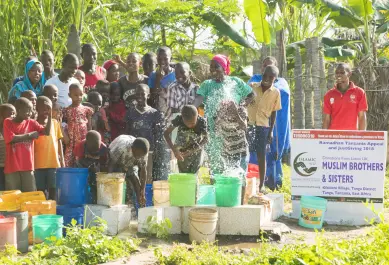
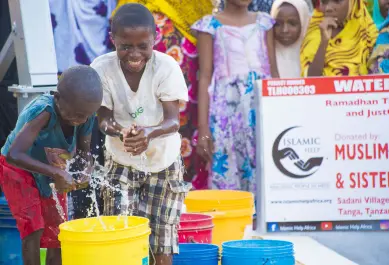
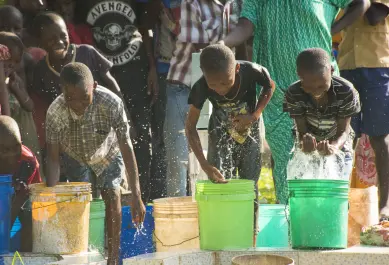
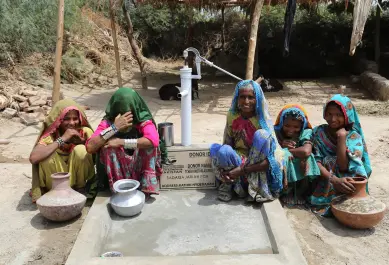
Sadaqah Jariyah is an Arabic term that translates to “ongoing charity” or “continuous charity.” It refers to any charitable act whose benefits continue over a long period. Unlike a one-time donation that might meet an immediate need, a Sadaqah Jariyah project keeps giving back to people repeatedly. For example, digging a water well in a village is Sadaqah Jariyah because it will provide clean water for years, long after the well is built. Similarly, planting a fruit tree that will bear fruit season after season or funding a school that will educate generations of children are acts of Sadaqah Jariyah. The core idea is sustainability in charity; your good deed keeps benefiting others on an ongoing basis.