What Is a Prophetic Qurbani and Why Give an Extra Sacrifice?
Latest News

What Is a Prophetic Qurbani and Why Give an Extra Sacrifice?

Learn what Prophetic Qurbani is, why giving an extra sacrifice is encouraged, and how it reflects compassion, generosity, and care for the wider Ummah.

During Eid al-Adha, Muslims around the world perform Qurbani as a core act of worship. Alongside the required sacrifice, Islam also encourages generosity beyond obligation. One such practice is known as voluntary Qurbani, often referred to as Sunnah or Prophetic Qurbani, where an additional sacrifice is offered purely out of compassion for others.

This practice reflects giving Qurbani on behalf of others and, more broadly, on behalf of the Ummah, following the example of the Messenger of Allah ﷺ, who consistently prioritised the needs of his community.
بِسْمِ ٱللَّهِ ٱلرَّحْمَٰنِ ٱلرَّحِيمِ

“The example of those who spend their wealth in the way of Allah is like a seed that sprouts into seven ears, each bearing one hundred grains.”

What Is Qurbani on Behalf of the Ummah?

Qurbani on behalf of the Ummah refers to offering an extra Qurbani voluntarily, after fulfilling one’s own required sacrifice. The intention is that the reward and benefit of this offering go to those who are unable to perform Qurbani themselves.

Historical narrations describe how the Prophet Muhammad ﷺ offered a second sacrifice as a sacrifice from his Ummah, ensuring that the poorest members of the community were not excluded from the blessings of Eid al-Adha. This was an act of mercy, not obligation.

The Sunnah Behind Giving Voluntary Qurbani

Several narrations recorded by scholars such as Tabarani and Ahmad mention that the beloved Prophet ﷺ would offer two sacrifices during Eid. One was for himself and his household, while the second was offered on behalf of others.

This additional sacrifice later became known as Sunnah Qurbani. It is a voluntary Qurbani, not required by Islamic law, but strongly encouraged for those who are able. Through this act, Muslims follow a prophetic example of generosity and responsibility toward the wider community.

Image Style 03 _ 3_2 (Scroll cards) (1)
Image Style 03 _ 3_2 (Scroll cards) (2)
Image Style 03 _ 3_2 (Scroll cards)
Image Style 01 _ 16_9 (2)
Media Cards

Is Voluntary Qurbani Mandatory?

No. Voluntary Qurbani is not mandatory. Islam does not obligate believers to give more than they can afford, and there is no sin in offering only the required Qurbani.

However, for those with surplus wealth after fulfilling their own obligation, offering an extra sacrifice is considered a greatly rewarding act. By doing so, a believer may double their rewards, earning a reward for the sacrifice itself and for helping others experience Eid with dignity.

Who Should Consider Giving Qurbani on Behalf of Others?

Giving Qurbani on behalf of others is most suitable for Muslims who:

  • Have already completed their required Qurbani
  • Possess surplus wealth
  • Wish to increase their charitable impact during Eid

It is especially encouraged for those eligible to pay Zakat and still financially comfortable. Offering Qurbani on behalf of the Ummah allows others to share in the joy and nourishment of Eid al-Adha.

When Is Voluntary Qurbani Performed?

Just like the required sacrifice, voluntary Qurbani must be performed during the prescribed days of Eid. This includes the day of Dhul Hijjah when Eid prayer takes place, and the days that follow.

Any extra sacrifice must be made on these same days for it to count as Qurbani. Performing it outside this timeframe turns it into a general charity rather than a Qurbani sacrifice.

Where Does the Meat From Extra Qurbani Go?

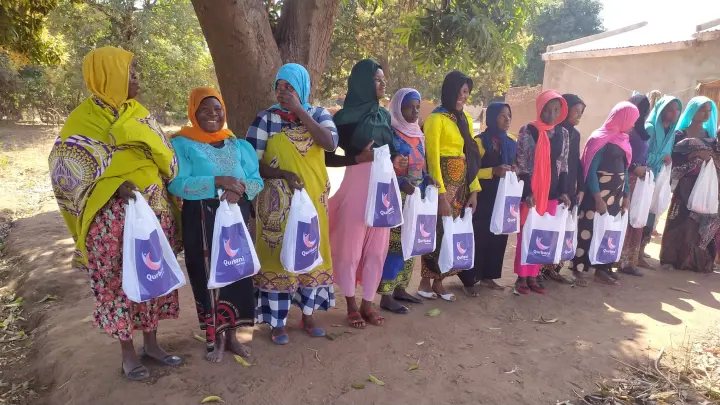
When Qurbani is offered on behalf of others, the meat is typically distributed entirely to poor and vulnerable families. The intention is not personal consumption but to enable others to benefit from the blessings of Eid.

In many regions, this extra sacrifice provides the only opportunity each year for families to receive fresh meat, allowing them to celebrate Eid al-Adha with dignity and nourishment.

Donating Your Qurbani Through Charity

Many Muslims choose to donate their Qurbani through a trusted charity. When you donate, the organisation acts as your agent, ensuring the sacrifice is carried out correctly and during the proper days.

By choosing to donate your Qurbani, you can fulfil a voluntary Qurbani on behalf of others while ensuring the meat reaches communities facing poverty, displacement, or food insecurity, all in accordance with Islamic guidelines.

The Spiritual Meaning of Giving Qurbani for the Ummah

Offering Qurbani for the Ummah nurtures empathy, humility, and shared responsibility. It transforms Eid from a personal celebration into a collective one, reminding Muslims that the Ummah is interconnected.

By reviving this practice, believers follow the example of the Prophet ﷺ, described in narrations as the Ummah’s one who bore the burdens of his people. Giving an extra sacrifice becomes a living expression of gratitude to Allah SWT and care for others.

FAQs:

  • What does voluntary Qurbani mean?
    Voluntary Qurbani refers to an additional sacrifice given beyond a person’s required Qurbani. It follows the example of the Prophet Muhammad ﷺ, who offered an extra sacrifice on behalf of members of the Ummah who could not afford their own Qurbani, making it an act of charity and compassion.
  • Is giving Qurbani on behalf of the Ummah compulsory?
    No. Giving Qurbani on behalf of the Ummah is not compulsory. It is a voluntary act inspired by the Sunnah of the Prophet ﷺ. Muslims are only required to fulfil their obligatory or strongly emphasised Qurbani, and any extra sacrifice should be offered only if it can be done without hardship.
  • When should voluntary Qurbani be performed?
    Voluntary Qurbani must be performed during the same days as the required Qurbani, starting after the Eid prayer on the day of Dhul Hijjah and continuing through the remaining days of Eid ul Adha. Outside this period, the sacrifice becomes general charity rather than Qurbani.
  • Where is the meat from Qurbani for the Ummah distributed?
    Meat from Qurbani for the Ummah is usually distributed entirely to poor and vulnerable families. The aim is to support those who cannot afford Qurbani, allowing them to receive fresh meat and share in the joy and nourishment of Eid al-Adha.
  • Can I donate my Qurbani on behalf of others?
    Yes. You can donate your Qurbani on behalf of others by appointing a charity as your agent. The organisation ensures the sacrifice is performed during the correct days and distributes the meat responsibly to those in need.
  • Does voluntary Qurbani replace my required Qurbani?
    No. Voluntary Qurbani does not replace your required Qurbani. If Qurbani is obligatory or strongly emphasised for you, it must be fulfilled first. Any additional sacrifice is optional and should only be offered after completing your own.
  • How does Islamic Help support Qurbani for the Ummah?
    Islamic Help supports Qurbani for the Ummah by sourcing eligible animals, performing the sacrifice during Eid al-Adha, and distributing the meat to vulnerable communities. Each donation is treated as a charitable offering, ensuring compliance with Islamic guidelines and maximising benefit for those in need.
  • What reward is associated with donating extra Qurbani?
    Donating extra Qurbani carries great reward because it combines sacrifice, charity, and following the Sunnah. By helping others experience Eid, the giver earns reward for the sacrifice itself and for feeding those in need, increasing the overall spiritual benefit of the act.

updates that matter

Empower my Inbox

Volunteer

Vivamus lacinia lacus vel neque egestas, vitae volutpat purus dapibus. Nullam nec ultricies erat. Etiam ac urna metus.

    Updates that matter

    Join our mailing list for events, urgent appeals, and project updates from the communities you help empower.

      We use cookies to make your visit even better

      They help us understand how our website is used so we can improve your experience and share the stories and projects you care about most. All data is anonymous, and your privacy matters to us.
      We use cookies to make your visit even better