The Importance and Significance of Qurbani in Islam
Latest News

The Importance and Significance of Qurbani in Islam

Explore the importance of Qurbani in Islam, how it reflects obedience and devotion, and why this act of worship holds deep spiritual and social significance.

Qurbani is one of the most profound acts of worship in Islam. Performed during Eid al-Adha, it represents obedience, gratitude, and a willingness to give for the sake of Allah. Understanding the importance of Qurbani in Islam goes beyond knowing how or when to perform it; it requires understanding why this act matters spiritually and socially.

Every year, Muslims around the world perform Qurbani as an act of devotion, reviving a prophetic legacy that combines faith, charity, and compassion.
بِسْمِ ٱللَّهِ ٱلرَّحْمَٰنِ ٱلرَّحِيمِ

“The example of those who spend their wealth in the way of Allah is like a seed that sprouts into seven ears, each bearing one hundred grains.”

The Significance of Qurbani in Islam

The significance of Qurbani is rooted in the story of Prophet Ibrahim (peace be upon him). When Allah commanded Ibrahim to sacrifice his son Ismail, Ibrahim demonstrated complete submission and trust. At the moment of sacrifice, Allah replaced Ismail with a ram, showing that what Allah seeks is sincerity, not bloodshed.

This moment defines Qurbani as an act of sacrifice based on obedience rather than ritual alone. When Muslims offer a sacrifice, they symbolically reaffirm that faith comes before personal attachment, wealth, or comfort.

Qurbani as an Act of Worship and Devotion

Qurbani is not merely symbolic; it is a living act of Qurbani that reflects obedience in action. Like prayer and fasting, performing Qurbani is a way of worshipping Allah through tangible sacrifice.

The Qur’an reminds believers that it is not the meat or blood that reaches Allah, but sincerity. Through this act of devotion, Muslims detach from materialism and strengthen their relationship with Allah, which is why many scholars say Qurbani brings you closer to Allah.

Image Style 03 _ 3_2 (Scroll cards) (1)
Image Style 03 _ 3_2 (Scroll cards) (2)
Image Style 03 _ 3_2 (Scroll cards)
Image Style 01 _ 16_9 (2)
Media Cards

Why Qurbani Matters Beyond the Individual

While Qurbani is a personal act of worship, its impact extends far beyond the individual. Through Qurbani charity, meat is distributed to those who would otherwise go without, making Eid a collective celebration rather than a private one.

The benefits of Qurbani meat distribution are especially visible in regions where people live in poverty. In many communities, Eid al-Adha is the only time of year families receive fresh meat. This makes Qurbani a vital form of Muslim charity that directly supports dignity, nourishment, and well-being.

Feeding the Poor and Helping Needy Families

One of the clearest social purposes of Qurbani is feeding the poor during Eid. After the sacrifice, meat is shared with relatives, neighbours, and those in need. This tradition ensures that helping needy families is embedded in the act itself.

Through Qurbani, Muslims support households facing hardship, food insecurity, or displacement. In regions across Africa, Asia, and the Middle East, Qurbani plays a crucial role in providing protein-rich food to families who may struggle year-round.

Eid al Adha Charity and Global Impact

Qurbani is one of the largest annual charitable acts in the Muslim world. As an Eid al Adha charity, it mobilises millions of sacrifices across continents during the same sacred days.

Whether performed locally or through a charity, Qurbani connects believers globally through a shared purpose. This global coordination reinforces unity within the Ummah and ensures that aid reaches areas with the greatest need.

Who Must Give Qurbani and Why That Matters

Understanding who must give Qurbani helps frame its importance correctly. While Qurbani is obligatory or strongly emphasised only for eligible Muslims, its wider meaning benefits everyone.

Even those not required to give Qurbani benefit indirectly through its charitable reach. This reinforces the idea that Qurbani is not just about obligation, but about shared responsibility and care for others.

Prophetic Qurbani and Giving on Behalf of Others

The Prophet Muhammad ﷺ went beyond obligation by offering an extra sacrifice, known today as Prophetic Qurbani. This additional sacrifice was offered as a Qurbani on behalf of others, specifically for members of the Ummah who could not afford to give.

This practice shows how Qurbani can be both worship and charity. Giving on behalf of others extends the blessings of Eid and reflects leadership, mercy, and responsibility toward the community.

Donating Qurbani in the Modern World

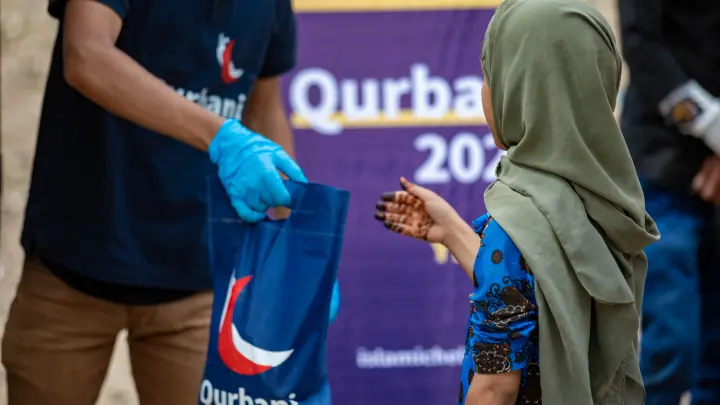
Today, many Muslims choose to donate their Qurbani through trusted organisations. A Qurbani donation allows the sacrifice to be performed correctly while ensuring the meat reaches those who need it most.

For Muslims living far from areas of hardship, donating Qurbani ensures the act of sacrifice maintains its intended impact, supporting families who might otherwise miss out on Eid’s blessings.

The Timing and Sacred Days of Qurbani

Qurbani is performed during the days of Dhul Hijjah, specifically on the day of Eid al Adha and the days that follow. These days fall within the month of Dhul Hijjah, one of the most sacred periods in the Islamic calendar.

By performing the sacrifice during these days, Muslims align their worship with the rituals of Hajj and the legacy of Prophet Ibrahim, reinforcing the spiritual depth of the act.

A Lasting Act With Eternal Reward

Qurbani is more than a momentary ritual. As an act of worship, it leaves a lasting impact on both the giver and the recipient. It nurtures generosity, humility, and awareness of others’ needs.

Islam teaches that charitable deeds performed sincerely continue to benefit a person beyond this life. Through Qurbani, Muslims invest in their Hereafter while addressing real human needs in the present.

FAQs:

  • Why is Qurbani important in Islam?
    Qurbani is important because it represents obedience to Allah and follows the example of Prophet Ibrahim. It combines worship with charity, allowing Muslims to demonstrate faith through sacrifice while feeding the poor and supporting communities during Eid al-Adha.
  • How does Qurbani help people living in poverty?
    Qurbani helps people living in poverty by providing fresh meat during Eid al-Adha, often the only time of year they receive it. This improves nutrition, restores dignity, and allows vulnerable families to take part in the joy of Eid alongside the wider Muslim community.
  • Does Qurbani bring spiritual reward?
    Yes. Qurbani carries significant spiritual reward because it combines sacrifice, charity, and obedience. Islamic teachings state that sincere sacrifice brings reward for every part of the animal, and the act itself strengthens faith and draws the believer closer to Allah.
  • What role does charity play in Qurbani?
    Charity is central to Qurbani. After the sacrifice, meat is distributed to relatives and those in need. This ensures Qurbani functions as both worship and social support, making Eid a shared celebration and reinforcing responsibility toward others.
  • Can Qurbani be given on behalf of others?
    Yes. Qurbani may be given on behalf of others, including the poor or deceased relatives. This practice follows the example of the Prophet ﷺ, who offered an additional sacrifice for members of the Ummah unable to perform Qurbani themselves.
  • How does donating Qurbani increase its impact?
    Donating Qurbani through a charity allows the sacrifice to reach areas of greatest need. It ensures proper execution, ethical distribution, and maximum benefit for families facing hardship, especially in regions affected by poverty or conflict.
  • Why is Qurbani linked to Eid al-Adha?
    Qurbani is linked to Eid al-Adha because the festival commemorates Prophet Ibrahim’s willingness to sacrifice his son. Performing Qurbani during Eid connects Muslims to this legacy and aligns worship with one of the most sacred moments in the Islamic calendar.
  • Is Qurbani only about sacrificing an animal?
    No. While Qurbani involves sacrificing an animal, its true meaning lies in the intention and obedience behind it. The Qur’an teaches that sincerity is what reaches Allah, making Qurbani an act of faith, charity, and devotion rather than ritual alone.

updates that matter

Empower my Inbox

Volunteer

Vivamus lacinia lacus vel neque egestas, vitae volutpat purus dapibus. Nullam nec ultricies erat. Etiam ac urna metus.

    Updates that matter

    Join our mailing list for events, urgent appeals, and project updates from the communities you help empower.

      We use cookies to make your visit even better

      They help us understand how our website is used so we can improve your experience and share the stories and projects you care about most. All data is anonymous, and your privacy matters to us.
      We use cookies to make your visit even better