
Seasonal Food Support: Meeting Increased Need at Critical Times
Latest News

Seasonal Food Support: Meeting Increased Need at Critical Times

Explore how seasonal food support helps vulnerable families facing rising costs and hardship, providing timely assistance that reduces hunger, supports stability, and protects wellbeing during critical periods.

For many vulnerable families, hardship intensifies during certain times of the year. Seasonal pressures such as rising living costs, reduced income opportunities, and increased household responsibilities can make access to food even more difficult. During these periods, families who are already struggling often face heightened risk of hunger and deprivation.

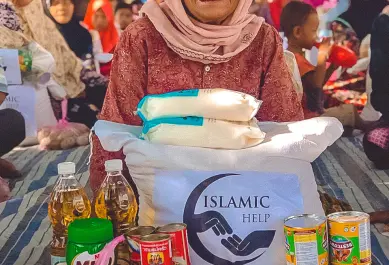
Islamic Help’s Food & Social Programme responds to these challenges through seasonal food support initiatives. By delivering targeted food assistance during times of increased need, the programme helps families maintain stability, dignity, and well-being when pressures are greatest.

This article explores why food insecurity worsens during specific seasons, how seasonal food programmes address these challenges, and how Islamic Help delivers timely, accountable support to vulnerable communities.
بِسْمِ ٱللَّهِ ٱلرَّحْمَٰنِ ٱلرَّحِيمِ

“The example of those who spend their wealth in the way of Allah is like a seed that sprouts into seven ears, each bearing one hundred grains.”

Why does food insecurity increase at certain times of year

Seasonal changes can significantly impact household food security. In many regions, employment opportunities fluctuate throughout the year, affecting income and purchasing power. Agricultural cycles, weather conditions, and economic pressures all influence access to food.

For low-income households, even small increases in expenses can lead to difficult choices between food and other necessities. Families facing displacement or poverty often have little financial resilience, making them particularly vulnerable to seasonal shocks.

These pressures mean that hunger is not constant but often peaks at predictable times. Seasonal food support helps address these recurring vulnerabilities.

The role of seasonal food programmes

Seasonal food programmes are designed to provide additional assistance when families need it most. Rather than replacing ongoing support, they supplement existing aid during high-pressure periods.

Islamic Help’s seasonal food initiatives deliver food assistance to households already experiencing hardship, helping them cope with temporary increases in need. These programmes prevent short-term difficulties from escalating into severe food insecurity.

By anticipating seasonal pressures, food aid can be delivered proactively rather than reactively, reducing harm and supporting household stability.

Disabled Children (1 of 1)
IMG_0285
IMG-20161206-WA0002_1481019959377
Copy of 192A1350
Copy of 192A1641

Islamic Help’s approach to seasonal food support

Islamic Help’s Food & Social Programme delivers seasonal food support through structured, time-bound initiatives. These projects are planned based on assessments of need and implemented in collaboration with local partners.

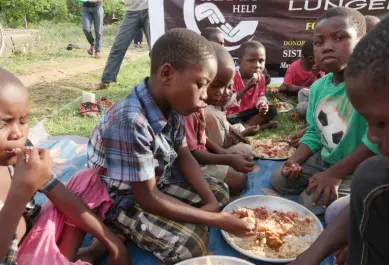
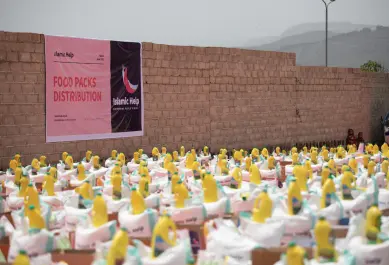
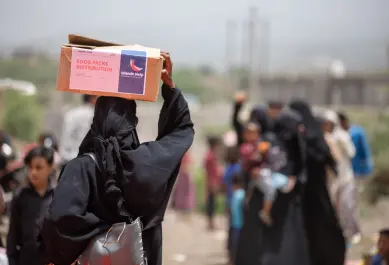
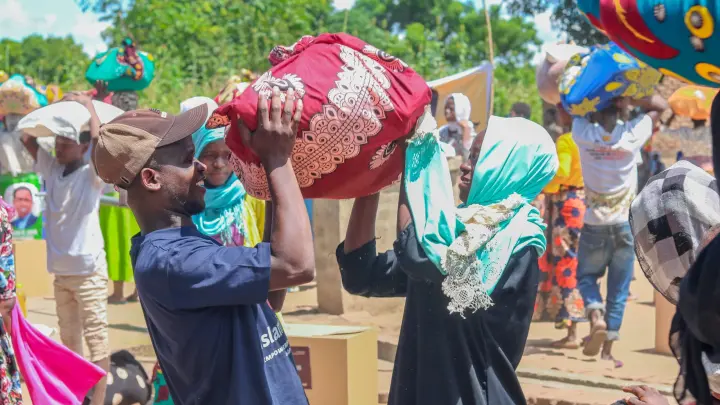
Seasonal food distributions typically provide staple food items designed to support households for a defined period. Assistance is tailored to local contexts, ensuring the food provided is appropriate and meets basic nutritional needs.

By aligning seasonal support with local conditions, Islamic Help ensures assistance is relevant, timely, and effective.

Supporting families during high-pressure periods

Seasonal food support is particularly important for families with limited coping mechanisms. Households headed by widows, elderly individuals, or people with disabilities often struggle to absorb additional costs or income disruptions.

Seasonal assistance helps these families maintain consistent access to food during difficult periods. This support reduces stress and prevents families from resorting to harmful coping strategies, such as cutting down on meal quality or skipping meals altogether.

By stabilising food access, seasonal programmes protect both physical health and emotional well-being.

Preventing long-term harm through short-term support

Short-term food insecurity can have long-lasting consequences if left unaddressed. Temporary shortages can lead to malnutrition, particularly among children, and can force families into debt or asset loss.

Seasonal food programmes act as preventive measures. By addressing hunger early, these initiatives reduce the risk of long-term nutritional deficits and economic decline.

This preventative approach reflects the Food & Social Programme’s focus on protecting dignity and reducing vulnerability before crises deepen.

Community-based delivery and local partnerships

Effective seasonal food support relies on strong local partnerships. Islamic Help works with community organisations and local teams to identify households most affected by seasonal pressures.

Local partners provide insight into community dynamics, helping ensure distributions are fair and targeted. This approach improves efficiency and builds trust between communities and aid providers.

Community-based delivery also helps ensure that assistance reaches individuals who may not be visible through standard assessments.

Dignity and respect in seasonal distributions

Seasonal food assistance must be delivered with care. Families may already feel pressure or shame during periods of hardship, making respectful delivery essential.

Islamic Help’s Food & Social Programme prioritises dignity in seasonal distributions by organising assistance in ways that minimise stigma and respect privacy. Beneficiaries are treated with respect, and cultural norms are observed.

This dignity-first approach encourages acceptance of support and reinforces trust in humanitarian assistance.

Accountability and transparency in seasonal aid

Seasonal food programmes require clear accountability due to their time-sensitive nature. Islamic Help maintains oversight through monitoring, reporting, and partner coordination.

Distributions are documented to ensure aid reaches intended beneficiaries and resources are used responsibly. Transparency with donors and communities helps maintain confidence in the programme’s effectiveness.

Accountability is particularly important when delivering support during periods of heightened need and urgency.

Seasonal support as part of a wider safety net

Seasonal food assistance is most effective when integrated into a broader support framework. Islamic Help’s Food & Social Programme aligns seasonal aid with long-term food support and social care initiatives.

This integrated approach ensures families receive appropriate assistance throughout the year, reducing gaps in support. Seasonal programmes complement rather than replace other interventions, strengthening overall resilience.

By viewing food security as a year-round concern, the programme delivers more sustainable impact.

Why seasonal food support matters

Seasonal food insecurity is predictable and preventable. Without targeted intervention, temporary pressures can push vulnerable families deeper into hardship.

Islamic Help’s seasonal food support programmes respond to these risks with timely, structured assistance. By providing food when families need it most, the programme helps protect health, dignity, and stability during critical periods.

Seasonal food support reflects a proactive approach to humanitarian aid, addressing hunger before it escalates into crisis and ensuring vulnerable communities are not left unsupported during times of increased need.

FAQs:

  • What is seasonal food insecurity?
    Seasonal food insecurity occurs when access to food becomes more difficult during certain times of the year due to factors such as reduced income, higher living costs, or environmental conditions. Vulnerable families often experience increased hunger during these predictable periods without additional support.
  • How does seasonal food support help vulnerable families?
    Seasonal food support provides additional assistance during high-pressure periods, helping families maintain access to food. This support prevents short-term shortages from becoming severe hunger and reduces the need for harmful coping strategies.
  • Who benefits most from seasonal food programmes?
    Families facing poverty, displacement, disability, or limited income benefit most from seasonal food programmes. These households often lack the resources to cope with temporary increases in need and rely on targeted support to remain stable.
  • How does Islamic Help deliver seasonal food aid responsibly?
    Islamic Help delivers seasonal food aid through trusted local partners, community assessments, and monitored distributions. This approach ensures assistance is timely, fair, and accountable while respecting dignity and cultural norms.
  • Is seasonal food support a replacement for long-term aid?
    No. Seasonal food support complements long-term food assistance and social care. It provides targeted help during high-need periods while ongoing programmes address chronic food insecurity and vulnerability throughout the year.

updates that matter

Empower my Inbox

Volunteer

Vivamus lacinia lacus vel neque egestas, vitae volutpat purus dapibus. Nullam nec ultricies erat. Etiam ac urna metus.

    Updates that matter

    Join our mailing list for events, urgent appeals, and project updates from the communities you help empower.

      We use cookies to make your visit even better

      They help us understand how our website is used so we can improve your experience and share the stories and projects you care about most. All data is anonymous, and your privacy matters to us.
      We use cookies to make your visit even better