Sadaqah vs Sadaqah Jariyah: Which to Give and When
Latest News

Sadaqah vs Sadaqah Jariyah: Which to Give and When

Understand the difference between Sadaqah and Sadaqah Jariyah, when to give each, and how to balance immediate needs with long-term charitable impact.

Introduction

When learning about charity in Islam, many people come across two closely related terms: Sadaqah and Sadaqah Jariyah. Both are forms of voluntary charity in Islam, but they are not the same and serve different purposes.

Understanding the difference between sadaqah and sadaqah jariyah helps Muslims give with clarity and intention. Some charities meet urgent needs today. Another charity creates an ongoing reward by helping people for years to come. Islam encourages both approaches, depending on need, capacity, and timing.

This article explains the difference between Sadaqah and Sadaqah Jariyah, when each type of charity is most appropriate, and how to balance immediate impact with long-term charity.
بِسْمِ ٱللَّهِ ٱلرَّحْمَٰنِ ٱلرَّحِيمِ

“The example of those who spend their wealth in the way of Allah is like a seed that sprouts into seven ears, each bearing one hundred grains.”

What Is Sadaqah?

Sadaqah refers to voluntary charity, given freely for the sake of Allah SWT. It includes financial donations as well as non-material acts of sadaqah, such as helping someone in difficulty or showing compassion.

Sadaqah often addresses immediate needs. Feeding a hungry person, supporting a struggling family, or offering direct help are all examples. Each act of kindness becomes an act of charity when done sincerely.

Because Sadaqah is voluntary, it can be given at any time and in any amount. Its reward is immediate, even though its impact may be short-term.

What Is Sadaqah Jariyah?

Sadaqah Jariyah refers to an ongoing charity that continues to benefit people over time. The Arabic word jariyah means “flowing,” describing a benefit that does not stop.

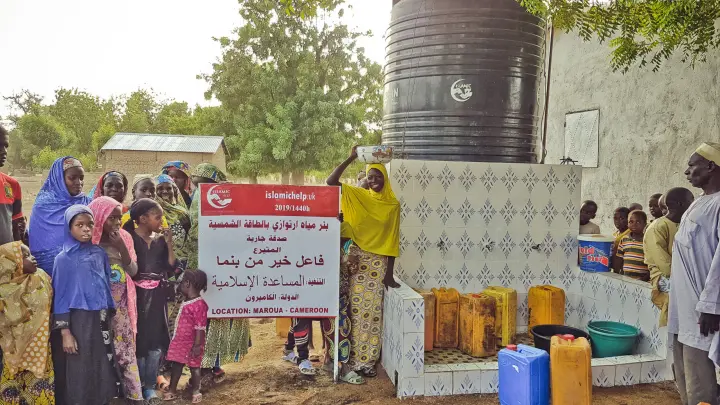
Examples include providing access to clean water, building schools, supporting healthcare, or orphan sponsorship. These are often described as sadaqah jariyah projects because they improve lives long after the donation is made.

The Messenger of Allah ﷺ taught that when a person dies, his deeds end except for three: ongoing charity, beneficial knowledge, and a righteous child who prays. This teaching, recorded in Sahih Muslim, forms the foundation of Sadaqah Jariyah.

Image Style 03 _ 3_2 (Scroll cards) (1)
Image Style 03 _ 3_2 (Scroll cards) (2)
Image Style 03 _ 3_2 (Scroll cards)
Image Style 01 _ 16_9 (2)
Media Cards

Immediate Charity vs Long-Term Charity

The key difference between Sadaqah and Sadaqah Jariyah is the duration of impact.

  • Sadaqah usually meets an immediate need and offers quick relief.
  • Sadaqah Jariyah is a type of charity that creates long-term benefit and ongoing reward.

Both forms bring great reward. One responds to urgent hardship, while the other helps break cycles of poverty by improving infrastructure, education, or health.

When Is Sadaqah Most Appropriate?

Sadaqah is most appropriate when people need help right away. Emergencies, hunger, medical needs, or sudden hardship require immediate action.

Sadaqah is also encouraged during moments of gratitude or repentance. Even small good deeds, such as feeding someone or offering assistance, carry reward and benefit the recipient directly.

These simple acts can improve mental health, restore dignity, and strengthen compassion within the Muslim community.

When Is Sadaqah Jariyah Most Appropriate?

Sadaqah Jariyah is most suitable when addressing structural or long-term challenges. Projects like wells, schools, clinics, or sadaqah jariyah donations for education and healthcare improve the quality of life for many years.

Providing clean water is one of the most well-known examples, as it saves lives and improves health. Each time someone benefits, the donor receives a reward.

Many people choose Sadaqah Jariyah on behalf of deceased loved ones, as its reward continues after death and provides benefit until the Day of Judgement.

Balancing Both Forms of Charity

Islam does not require choosing one form of charity over the other. The ideal approach is balance. Meeting immediate needs through Sadaqah should not be neglected in favour of long-term projects alone. At the same time, long-term solutions should not be ignored while addressing short-term hardship.

Giving both allows believers to respond with compassion today while investing in lasting benefit for the future.

Capacity, Intention, and Ongoing Reward

Not everyone can fund large projects on their own. Islam recognises this. Even small contributions to sadaqah jariyah projects count if they help create lasting benefits. What matters most is intention. Charity given sincerely for Allah SWT carries a reward regardless of size. A small donation to an ongoing charity may earn a reward for years to come.

The Prophet ﷺ taught that charity provides protection and shade on the Day of Judgement, reinforcing the spiritual value of both immediate and long-term giving.

Conclusion

Sadaqah and Sadaqah Jariyah are both essential expressions of generosity in Islam. Sadaqah meets urgent needs and offers immediate relief. Sadaqah Jariyah creates lasting benefit and ongoing reward.

By understanding the difference and giving with intention, Muslims can support people today while investing in solutions that continue to benefit others long into the future.

FAQs:

  • 1. What is the difference between Sadaqah and Sadaqah Jariyah?
    Sadaqah refers to voluntary charity that usually meets an immediate need, such as feeding someone or offering help. Sadaqah Jariyah is an ongoing charity that continues to benefit others over time, such as providing clean water or education, allowing the reward to continue even after death.
  • 2. Which is better: Sadaqah or Sadaqah Jariyah?
    Sadaqah Jariyah is more rewarding than regular Sadaqah because its impact continues over time. While Sadaqah offers immediate help, Sadaqah Jariyah provides lasting benefit, such as a well or a school, earning ongoing rewards even after death. It’s a powerful way to build lasting good deeds for the hereafter.
  • 3. When should I give Sadaqah Jariyah?
    Sadaqah Jariyah is most suitable for addressing long-term needs, such as access to clean water, education, or healthcare. It is often given during Ramadan, after the death of a loved one, or when someone wishes to create a lasting benefit that continues to reward them beyond their lifetime.
  • 4. Can small donations count as Sadaqah Jariyah?
    Yes. Small donations can count as Sadaqah Jariyah if they contribute to projects that continue to benefit others over time. Even modest contributions toward wells, schools, or community initiatives earn ongoing reward when they help create lasting impact.
  • 5. Does Sadaqah Jariyah reward continue after death?
    Yes. The Prophet ﷺ taught that ongoing charity continues to reward a person after death as long as people benefit from it. This makes Sadaqah Jariyah a powerful way to leave a legacy of good that earns reward beyond one’s lifetime.
  • 6. How does Islamic Help support Sadaqah Jariyah projects?
    Islamic Help supports Sadaqah Jariyah projects by funding sustainable initiatives such as clean water, education, healthcare, and orphan sponsorship. Projects are delivered through trusted local partners to ensure donations create long-term benefit for communities.
  • 7. Can I give both Sadaqah and Sadaqah Jariyah together?
    Yes. Many donors balance both forms of charity. Sadaqah addresses immediate needs, while Sadaqah Jariyah supports long-term solutions. Giving both allows you to respond to urgent hardship while also investing in lasting impact.
  • 8. How do I choose the right charity project?
    Choosing the right project depends on need, capacity, and intention. Some people prioritise immediate relief, while others focus on long-term impact. Islamic Help provides guidance to help donors choose projects that align with their values and address real community needs.

updates that matter

Empower my Inbox

Volunteer

Vivamus lacinia lacus vel neque egestas, vitae volutpat purus dapibus. Nullam nec ultricies erat. Etiam ac urna metus.

    Updates that matter

    Join our mailing list for events, urgent appeals, and project updates from the communities you help empower.

      We use cookies to make your visit even better

      They help us understand how our website is used so we can improve your experience and share the stories and projects you care about most. All data is anonymous, and your privacy matters to us.
      We use cookies to make your visit even better