Restoring Sight: How Cataract Surgery Transforms Lives in Vulnerable Communities
Latest News

Restoring Sight: How Cataract Surgery Transforms Lives in Vulnerable Communities

Discover how cataract surgery restores sight in vulnerable communities, preventing avoidable blindness, rebuilding independence, and transforming lives through simple, effective humanitarian eye care interventions.

Loss of eyesight is one of the most disabling health challenges a person can face. In many low-income and crisis-affected communities, preventable blindness isolates individuals from education, work, and family life. For those affected, the inability to see often means dependence on others and the loss of independence and dignity.

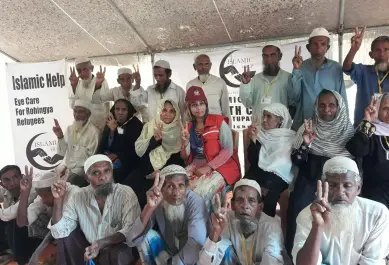
Islamic Help’s Medical & Healthcare Programme addresses this challenge through cataract surgery camps that restore sight to people living with avoidable blindness. By supporting simple yet highly effective surgical interventions, the programme enables individuals to regain vision and rebuild their lives.

This article explores why cataracts remain a major cause of blindness in vulnerable communities, how cataract surgery works as a humanitarian intervention, and how Islamic Help delivers lasting impact through its eye care initiatives.
بِسْمِ ٱللَّهِ ٱلرَّحْمَٰنِ ٱلرَّحِيمِ

“The example of those who spend their wealth in the way of Allah is like a seed that sprouts into seven ears, each bearing one hundred grains.”

Why cataract blindness remains widespread

Cataracts are one of the leading causes of blindness worldwide, particularly in regions with limited access to healthcare. A cataract develops when the eye’s natural lens becomes cloudy, gradually reducing vision until daily activities become impossible.

In wealthier settings, cataracts are routinely treated through surgery. In low-income and humanitarian contexts, however, access to eye care is limited or nonexistent. Many people live with cataract blindness for years because surgery is unavailable, unaffordable, or inaccessible.

Age, poverty, and limited healthcare infrastructure combine to make cataracts a widespread yet overlooked crisis. Without intervention, individuals who could regain full sight remain trapped in preventable blindness.

The impact of sight loss on individuals and families

Blindness affects far more than eyesight alone. Individuals who lose their vision often lose the ability to work, care for themselves, or participate fully in community life. In many cases, family members must stop working or attending school to provide care.

For older people, cataract blindness can lead to isolation, injury, and declining physical health. For adults of working age, it can mean the loss of income and independence. The ripple effects of blindness, therefore, extend across households and communities.

Restoring sight reverses these outcomes. A single cataract surgery can allow a person to return to work, care for their family, and live independently once again.

Eye Surgery
WhatsApp Image 2026-01-25 at 19.44.40
PHOTO-2024-03-28-17-49-35 (4)
DSC_0069
DSC_0241 (2)

How cataract surgery restores sight

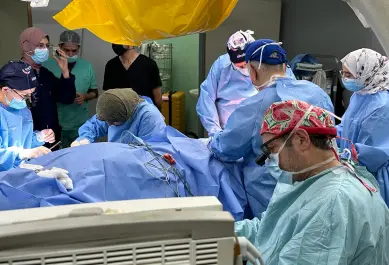
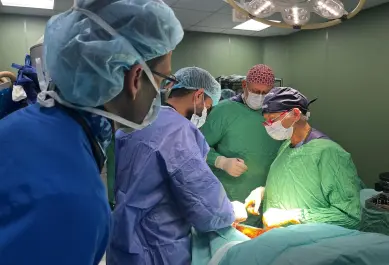
Cataract surgery is a straightforward medical procedure that removes the cloudy lens of the eye and replaces it with a clear artificial lens. When performed by trained professionals in appropriate conditions, the procedure is safe, quick, and highly effective.

For patients who have lived with blindness for years, the results can be immediate and life-changing. Vision is restored, mobility improves, and independence returns.

Despite its effectiveness, cataract surgery remains inaccessible to millions due to shortages of eye care services, equipment, and trained specialists in vulnerable regions. Humanitarian cataract programmes address this gap directly.

Islamic Help’s cataract surgery camps

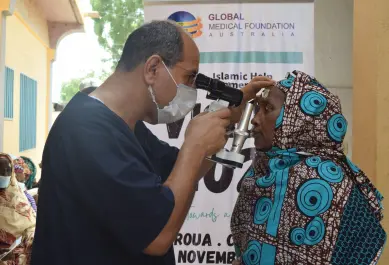
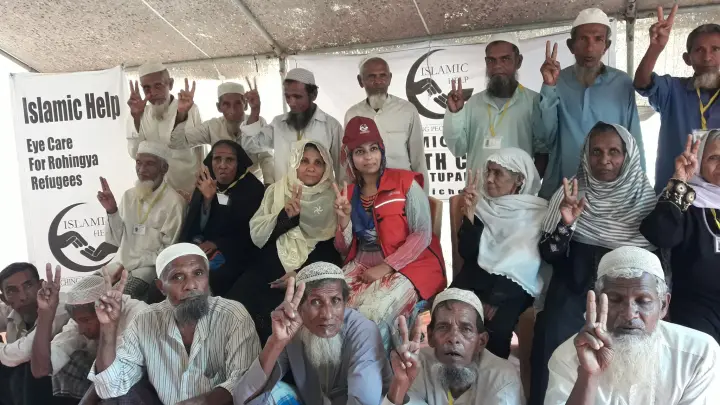
Islamic Help’s Medical & Healthcare Programme supports cataract surgery camps in vulnerable communities across multiple regions. These camps are designed to reach people who would otherwise have no access to eye care.

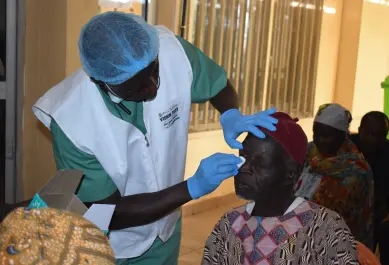
Cataract camps typically involve identifying patients in need, conducting medical assessments, performing surgeries, and providing post-operative care. Services are delivered by qualified medical professionals working with trusted local partners.

By concentrating expertise and resources over a defined period, cataract camps treat large numbers of patients efficiently while maintaining high standards of care. This model ensures maximum impact while responsibly using resources.

Restoring dignity through vision care

Restoring sight is about more than physical health. It is about dignity, autonomy, and participation in daily life. Individuals who regain vision often describe a renewed sense of confidence and purpose.

Islamic Help’s approach to cataract care prioritises respect and safeguarding. Patients are treated with compassion, and services are delivered without discrimination. Storytelling around eye care focuses on empowerment and recovery rather than pity.

This commitment to dignity reflects Islamic principles that emphasise compassion, service, and the preservation of human wellbeing.

Long-term benefits of cataract surgery

The benefits of cataract surgery extend far beyond the operating room. Once sight is restored, individuals can return to work, support their families, and contribute to their communities.

Families benefit when caregivers no longer need to provide constant support for blind relatives. Children may return to school, and household income can stabilise. Communities benefit as more people can participate economically and socially.

Because the effects of cataract surgery are long-lasting, eye care interventions deliver sustained impact over many years.

Accountability and quality in eye care delivery

Medical interventions involving surgery require high levels of trust. Islamic Help ensures cataract programmes are delivered responsibly through qualified professionals and reputable partners.

Surgeries are carried out in appropriate clinical settings, and patients receive follow-up care to support recovery. Projects are monitored and reported to ensure transparency and accountability.

By maintaining professional standards and ethical oversight, Islamic Help ensures that eye care interventions are both safe and effective.

Cataract surgery as a form of lasting charity

Within Islamic charitable traditions, actions that provide ongoing benefit are highly valued. Restoring sight aligns closely with this principle, as the impact of surgery persists long after the intervention.

While the programme focuses on humanitarian delivery rather than religious rulings, many supporters recognise cataract surgery as a form of continuous benefit due to its lasting effects on quality of life.

This understanding helps connect compassionate giving with practical, measurable outcomes that transform lives.

Why eye care remains a medical priority

Preventable blindness remains a significant yet solvable global health challenge. In humanitarian settings, eye care is often overlooked in favour of more visible emergencies, despite its profound impact on wellbeing.

Islamic Help’s Medical & Healthcare Programme recognises eye care as an essential component of holistic healthcare. By investing in cataract surgery camps, the programme addresses a clear medical need with proven, life-changing results.

Restoring sight does more than improve vision. It restores independence, dignity, and hope for individuals and families who have lived too long without access to care.

FAQs:

  • What causes cataract blindness in vulnerable communities?
    Cataract blindness occurs when the eye’s lens becomes cloudy, reducing vision over time. In vulnerable communities, limited access to healthcare, poverty, and a lack of trained specialists mean many people cannot receive the simple surgery needed to restore sight.
  • How does cataract surgery help people regain independence?
    Cataract surgery restores clear vision, allowing individuals to move safely, work, and care for themselves. Regaining sight reduces dependence on family members and enables people to participate fully in daily life and community activities.
  • How does Islamic Help deliver cataract surgery safely?
    Islamic Help delivers cataract surgery through qualified medical professionals and trusted partners. Surgeries are carried out in appropriate clinical settings, with patient assessments, safe procedures, and post-operative care ensuring quality and accountability.
  • Who benefits most from cataract surgery programmes?
    Cataract surgery programmes primarily benefit older people and adults whose vision loss affects independence and income. Restoring sight also benefits families and communities by reducing caregiving burdens and supporting economic participation.
  • Why is cataract surgery considered a high-impact medical intervention?
    Cataract surgery is highly effective, low-risk, and delivers long-term benefits. A single procedure can restore sight for many years, transforming quality of life and making it one of the most impactful medical interventions in humanitarian healthcare.

updates that matter

Empower my Inbox

Volunteer

Vivamus lacinia lacus vel neque egestas, vitae volutpat purus dapibus. Nullam nec ultricies erat. Etiam ac urna metus.

    Updates that matter

    Join our mailing list for events, urgent appeals, and project updates from the communities you help empower.

      We use cookies to make your visit even better

      They help us understand how our website is used so we can improve your experience and share the stories and projects you care about most. All data is anonymous, and your privacy matters to us.
      We use cookies to make your visit even better