Rebuilding Lives: Supporting Amputees and People With Disabilities After Conflict
Latest News

Rebuilding Lives: Supporting Amputees and People With Disabilities After Conflict

Discover how prosthetics and rehabilitation support help conflict-affected amputees and people with disabilities regain mobility, independence, and dignity while rebuilding their lives after life-changing injuries.

Armed conflict leaves visible and invisible scars. Among the most life-altering consequences are injuries that result in permanent disability, including limb loss. For civilians caught in war zones, surviving an explosion or attack is only the beginning of a long and uncertain journey.

Islamic Help’s Medical & Healthcare Programme supports people living with disabilities caused by conflict through prosthetic limb provision and rehabilitation services. These interventions help restore mobility, independence, and dignity to individuals whose lives have been permanently changed by violence.

This article explains why disability support is a critical part of humanitarian healthcare, how conflict creates long-term rehabilitation needs, and how Islamic Help delivers respectful, life-changing assistance to amputees and people with disabilities.
بِسْمِ ٱللَّهِ ٱلرَّحْمَٰنِ ٱلرَّحِيمِ

“The example of those who spend their wealth in the way of Allah is like a seed that sprouts into seven ears, each bearing one hundred grains.”

Disability as a humanitarian health crisis

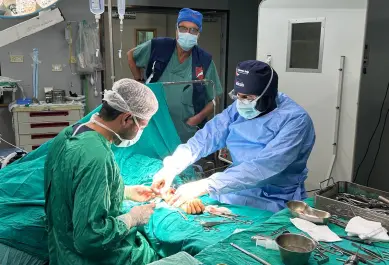
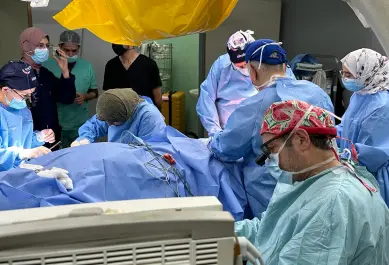
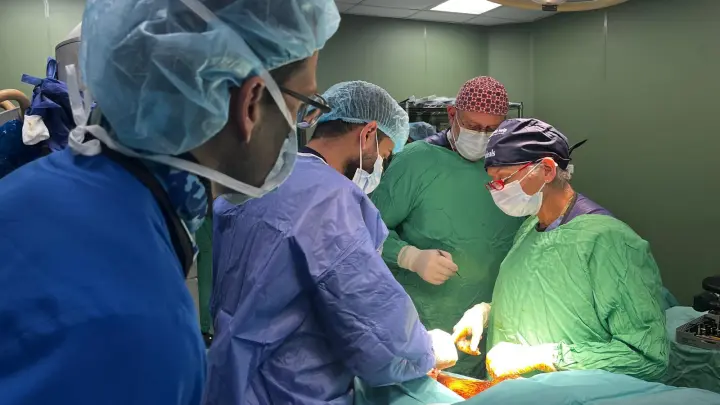
In conflict settings, injuries that would normally be survivable often result in permanent disability due to delayed treatment, limited surgical capacity, and shortages of specialist care. Explosions, shrapnel, and collapsing buildings commonly cause traumatic amputations.

The consequences extend beyond physical injury. People with disabilities often face barriers to employment, education, and social participation, particularly in humanitarian contexts where infrastructure and support systems are weak or destroyed.

Without access to prosthetics and rehabilitation, amputees may experience chronic pain, reduced mobility, and dependency on others. Disability, therefore, becomes not only a medical issue, but a social and economic crisis affecting entire families.

How conflict increases the need for prosthetic care

Conflict zones generate high numbers of amputees in short periods of time. Hospitals are forced to prioritise life-saving surgery, often resulting in emergency amputations to prevent infection or death. Rehabilitation services, however, are frequently unavailable or severely under-resourced.

In some settings, specialist prosthetics facilities are damaged or destroyed, leaving survivors without access to follow-up care. This gap between emergency surgery and long-term rehabilitation creates lasting hardship for individuals who survive severe injuries.

Prosthetic limbs and rehabilitation services are, therefore, an essential continuation of emergency medical care. Without them, survival does not translate into recovery or independence.

PHOTO-2024-12-07-07-56-25 (1)
Image (1)
PHOTO-2024-10-01-16-35-37
Media (1) (1)
PHOTO-2024-03-28-17-49-35 (4)

Islamic Help’s approach to disability and rehabilitation

Islamic Help’s Medical & Healthcare Programme recognises disability support as a core component of humanitarian healthcare. Prosthetic limb projects are designed to help amputees regain mobility and rebuild their lives following trauma.

The programme supports the provision of artificial limbs, physiotherapy, and follow-up care through trusted partners and specialist facilities. These services are delivered by qualified professionals, ensuring prosthetics are fitted safely and appropriately.

Beyond physical rehabilitation, the programme emphasises dignity and empowerment. Beneficiaries are supported not as passive recipients of aid, but as individuals with potential, agency, and the right to live independently.

Supporting amputees in Gaza and other conflict settings

Disability rehabilitation has been particularly critical in Gaza, where repeated conflict has resulted in large numbers of amputations. Damage to healthcare infrastructure has limited access to prosthetic services, leaving many injured civilians without pathways to recovery.

Islamic Help’s prosthetic limb support addresses this gap by enabling amputees to receive artificial limbs and rehabilitation care that would otherwise be inaccessible. These interventions help individuals walk again, return to daily activities, and regain a sense of normality.

Similar approaches are applied in other conflict-affected areas, where disability support is integrated into broader medical responses. By linking emergency care with rehabilitation, Islamic Help helps close the gap between survival and recovery.

Rehabilitation as a pathway to independence

Prosthetic limbs are not simply medical devices; they are tools for independence. When properly fitted and supported with rehabilitation, prosthetics allow individuals to move, work, and participate in community life.

Rehabilitation services help amputees adapt to prosthetics safely, manage pain, and rebuild strength. This process reduces long-term complications and improves quality of life.

For families, rehabilitation reduces dependency and restores household stability. When an injured parent or caregiver regains mobility, the entire family benefits socially and economically.

Dignity and ethical delivery of disability support

Disability support requires sensitivity and respect. Islamic Help’s Medical & Healthcare Programme prioritises dignity at every stage of service delivery, from assessment to rehabilitation.

Beneficiaries are treated with respect, and services are provided without stigma or discrimination. Storytelling around disability focuses on resilience and recovery rather than pity, in line with safeguarding and ethical communication standards.

This approach reflects Islamic principles that emphasise compassion, justice, and the inherent dignity of every person, regardless of physical ability.

Measurable impact of prosthetic and rehabilitation services

The impact of disability rehabilitation is long-term and transformative. Each prosthetic limb represents renewed mobility, reduced pain, and improved independence for an individual who has experienced trauma.

By enabling amputees to return to daily life, rehabilitation reduces long-term healthcare needs and supports social reintegration. These outcomes extend beyond the individual, strengthening families and communities affected by conflict.

Islamic Help documents and monitors prosthetic projects through trusted partners, ensuring accountability while respecting patient privacy.

Accountability and professional standards

Medical rehabilitation is a high-trust intervention. Islamic Help works with qualified professionals and reputable partners to ensure prosthetic services meet appropriate clinical standards.

Projects are monitored through reporting and oversight, with transparency around how funds are used and what services are delivered. This accountability is essential for donor confidence and ethical healthcare delivery.

By maintaining professional standards, Islamic Help ensures disability support is safe, effective, and aligned with humanitarian best practice.

Why disability support must be part of medical aid

Emergency surgery saves lives, but rehabilitation restores futures. Without prosthetics and rehabilitation, amputees face lifelong barriers that extend the impact of conflict far beyond the battlefield.

Islamic Help’s Medical & Healthcare Programme integrates disability support into its broader medical response, recognising that healing does not end when wounds close. Recovery requires sustained care, respect, and opportunity.

By supporting amputees and people with disabilities, medical aid becomes more than emergency relief. It becomes a pathway to dignity, independence, and long-term resilience for survivors of conflict.

FAQs:

  • Why is disability support important after conflict injuries?
    Disability support is essential because many conflict injuries result in permanent impairment. Without prosthetics and rehabilitation, amputees face reduced mobility, pain, and social exclusion. Supporting recovery helps individuals regain independence and reduces long-term hardship for families and communities.
  • How does Islamic Help support amputees in conflict zones?
    Islamic Help supports amputees by funding prosthetic limbs, rehabilitation services, and follow-up care through trusted partners. These services help individuals adapt safely to prosthetics and regain mobility after emergency surgeries resulting from conflict-related injuries.
  • Is prosthetic care part of emergency medical aid?
    Yes. Prosthetic care is a continuation of emergency medical treatment. While surgery saves lives, rehabilitation restores function. Integrating prosthetics into medical aid ensures survivors of conflict injuries have a pathway to recovery, independence, and long-term well-being.
  • Where are disability rehabilitation projects delivered?
    Disability rehabilitation projects are delivered in conflict-affected settings such as Gaza and other areas impacted by war. Services are provided through specialist facilities and local partners to ensure care is accessible, appropriate, and professionally delivered.
  • How does Islamic Help ensure ethical disability support?
    Islamic Help ensures ethical disability support by working with qualified professionals, respecting patient dignity, and following safeguarding standards. Beneficiaries are treated with respect, and services are monitored through transparent reporting to maintain accountability and trust.

updates that matter

Empower my Inbox

Volunteer

Vivamus lacinia lacus vel neque egestas, vitae volutpat purus dapibus. Nullam nec ultricies erat. Etiam ac urna metus.

    Updates that matter

    Join our mailing list for events, urgent appeals, and project updates from the communities you help empower.

      We use cookies to make your visit even better

      They help us understand how our website is used so we can improve your experience and share the stories and projects you care about most. All data is anonymous, and your privacy matters to us.
      We use cookies to make your visit even better