


Ramadan Fasting Explained: Rules, Tips, and Guidance
Latest News

Ramadan Fasting Explained: Rules, Tips, and Guidance

Understand the fasting rules of Ramadan, what breaks the fast, and practical tips for observing the holy month confidently, clearly, and with spiritual focus.

Fasting during Ramadan is one of the most important acts of worship in Islam. Observed throughout the holy month of Ramadan, it shapes daily routines, strengthens spiritual discipline, and encourages self-reflection. For Muslims in the UK, understanding Ramadan fasting rules clearly is essential to observing the fast correctly and confidently.

Daily life often includes work, travel, family responsibilities, and health considerations. Without clear guidance, fasting can feel confusing or overwhelming. This blog explains how fasting during Ramadan works, outlines what breaks the fast, and offers practical tips to help fasting people observe Ramadan with clarity and peace of mind.

بِسْمِ ٱللَّهِ ٱلرَّحْمَٰنِ ٱلرَّحِيمِ

“The example of those who spend their wealth in the way of Allah is like a seed that sprouts into seven ears, each bearing one hundred grains.”

The Meaning and Purpose of Fasting in Ramadan

Ramadan fasting is one of the pillars of Islam and is observed during a specific month of the Islamic calendar. From dawn until sunset, Muslims abstain from food and drinks, smoking, and marital relations. However, fasting is not limited to physical restraint alone.

The purpose of fasting is to develop self-control, patience, and mindfulness of Allah. It encourages spiritual growth by helping individuals reflect on behaviour, speech, and intentions. Ramadan is a time to increase acts of worship, strengthen faith, and reconnect with the wider Muslim community. Fasting nurtures empathy for those who experience hunger regularly and inspires generosity, compassion, and acts of charity throughout the month.

When the Fast Begins and Ends

The Ramadan fast begins at Fajr prayer and ends at Maghrib prayer. These fasting hours in the UK change daily, making it important to follow accurate prayer times.

Before dawn, Muslims eat the pre-fast meal at suhoor time in the UK. This meal helps sustain energy throughout the day. At sunset, the fast is broken at iftar time in the UK, traditionally with dates and water before the evening meal.

Understanding when you can eat during Ramadan helps prevent accidental mistakes and allows fasting to be observed correctly from start to finish each day.

Copy of 192A0356
20180531_223621
0U4A8052
006A8135 copy3
1D5A5369

Who Is Required to Fast

Fasting during Ramadan is obligatory for adult Muslims who are physically able. However, Islam recognises that circumstances vary and provides clear exemptions from fasting to protect well-being.

Those exempt include:

  • People who are ill
  • Pregnant or breastfeeding women, if they fear harm will be caused to their child
  • Travellers
  • The elderly
  • Women during menstruation

Illness and fasting during Ramadan are carefully balanced in Islamic guidance. If fasting causes harm or delays recovery, a person is exempt. Islam prioritises health and does not impose hardship.

Actions That Invalidate the Fast

Certain actions invalidate the Ramadan fast when done intentionally during fasting hours. These include consuming foods and drinks, smoking, and sexual relations. Taking medicine while fasting also breaks the fast because it enters the body in the same way as food or drink.

Understanding what breaks the fast reduces uncertainty and anxiety. Accidental eating or drinking does not invalidate the fast, as intention is central to Islamic rulings.

This distinction helps fasting people feel reassured when genuine mistakes occur.

Personal Care and Hygiene While Fasting

Maintaining cleanliness during Ramadan is encouraged. Brushing teeth while fasting is allowed as long as nothing is swallowed intentionally. Many people choose to brush before dawn or use a miswak during the day to avoid doubt.

Good hygiene supports comfort and confidence while fasting and does not contradict the purpose of the fast when done carefully.

Health, Medication, and Medical Needs

Health considerations are an important part of Ramadan fasting. Oral medication taken during fasting hours breaks the fast. People who require regular medication may be exempt from fasting to protect their health.

Inhaler and fasting rulings vary, but many scholars consider inhaler use to break the fast because medication particles reach the stomach. Those who rely on inhalers are usually exempt and may make up fasts later or fulfil fasts through charity.

Vomiting while fasting does not break the fast if it occurs unintentionally. However, deliberately inducing vomiting invalidates the fast. Islam provides these rulings to ensure fasting remains safe and manageable.

Making Up Missed Fasts

When fasts are missed for valid reasons, making up missed fasts after Ramadan is encouraged. This allows individuals to fulfil their religious responsibility without hardship.

If fasting later is not possible due to long-term illness or age, charity can replace fasting. This balance reflects Islam’s compassion and emphasis on intention rather than difficulty.

Strengthening Worship During Ramadan

Ramadan worship extends beyond abstention. Increased Ramadan prayer, daily remembrance, and consistent Ramadan dua help deepen the spiritual experience of the month.

Many Muslims attend Taraweeh prayer and engage in nightly prayers during Laylatul Qadr, also known as the night of power. These acts of worship reinforce spiritual discipline and help believers focus on faith, reflection, and gratitude. Observing Ramadan is about drawing closer to Allah while improving character and behaviour.

Fasting, Charity, and Community Responsibility

Fasting and charity are closely connected. Experiencing hunger encourages empathy for those in need and inspires generosity.

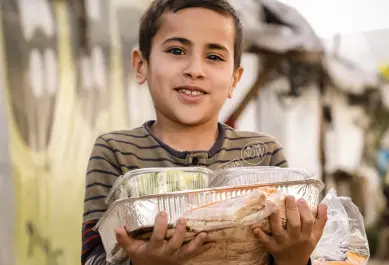
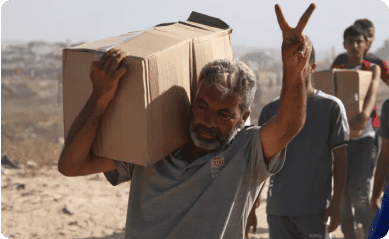
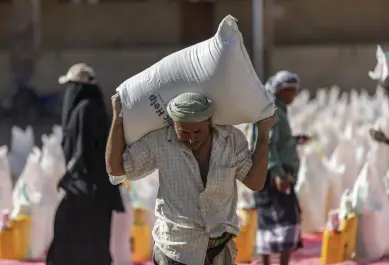
Supporting Ramadan food aid, providing iftar meals, and helping families and friends facing hardship are common acts of charity during this month. These acts strengthen social bonds and reflect the values Ramadan teaches.

Many Muslims in the UK choose trusted organisations such as Islamic Help to deliver Ramadan food aid responsibly and support vulnerable households throughout the holy month.

Living Ramadan With Balance

Ramadan is meant to be transformative, not exhausting. With preparation, fasting can fit into daily life smoothly. Eating a balanced suhoor, staying hydrated between iftar and dawn, and avoiding excess help maintain energy.

By balancing physical care with worship, fasting becomes sustainable and spiritually rewarding. Ramadan offers an opportunity for renewal, discipline, and spiritual growth that extends beyond the month itself.

FAQs:

  • Does brushing teeth break your fast?
    Brushing your teeth does not break the fast as long as nothing is swallowed intentionally. Using toothpaste is allowed, but care should be taken to avoid ingestion. Many people prefer brushing before Fajr or using a miswak during fasting hours to minimise doubt.
  • Does taking medicine break the fast?
    Taking oral medication during fasting hours breaks the fast. Those who need regular medication may be exempt from fasting if it affects their health. Islam prioritises wellbeing, so missed fasts can be made up later or replaced with charity depending on circumstances.
  • Does vomiting break the fast?
    Vomiting unintentionally does not break the fast. However, inducing vomiting deliberately invalidates it. If vomiting occurs accidentally and nothing is swallowed afterwards, the fast remains valid. Intention is an important factor in determining whether a fast is broken.
  • Does using an inhaler break the fast?
    Many scholars consider using an inhaler to break the fast because medication particles reach the stomach. People who rely on inhalers for health reasons are usually exempt from fasting. They may make up fasts later or offer charity, depending on medical advice.
  • Can you fast if you are ill?
    If fasting worsens illness or delays recovery, a person is exempt from fasting. Islam does not require fasting when it causes harm. Missed fasts can be made up later when health improves, or charity may be given if fasting is not possible.
  • How does Islamic Help support fasting families during Ramadan?
    Islamic Help supports fasting families by delivering food aid, Iftar meals, and essential supplies during Ramadan. These programmes help ensure people observing the fast have access to nutritious food, reducing hardship and supporting dignity throughout the month.
  • Why trust Islamic Help with Ramadan food distribution?
    Islamic Help works with experienced field teams and local partners to distribute Ramadan food aid responsibly. Support is directed to eligible families based on need, ensuring assistance is delivered efficiently, ethically, and in line with Islamic principles of charity.
  • Can I support Ramadan fasting through Islamic Help?
    You can support Ramadan fasting through Islamic Help by contributing to food aid and Iftar programmes. Donations help provide meals and essential supplies to families in need, allowing them to observe Ramadan with dignity and focus on worship.

updates that matter

Empower my Inbox

Volunteer

Vivamus lacinia lacus vel neque egestas, vitae volutpat purus dapibus. Nullam nec ultricies erat. Etiam ac urna metus.

    Updates that matter

    Join our mailing list for events, urgent appeals, and project updates from the communities you help empower.

      We use cookies to make your visit even better

      They help us understand how our website is used so we can improve your experience and share the stories and projects you care about most. All data is anonymous, and your privacy matters to us.
      We use cookies to make your visit even better