Ramadan 2026 Guide: Fasting, Prayer, and Charity
Latest News

Ramadan 2026 Guide: Fasting, Prayer, and Charity

Explore Ramadan 2026, including fasting, prayer, and charity, with guidance on its meaning, daily practices, and how to prepare spiritually and practically.

Ramadan is the ninth month of the Islamic calendar and one of the most important periods in a Muslim’s year. For Muslims in the UK and around the world, Ramadan 2026 is a time of fasting, prayer, charity, and deep spiritual reflection. It is a month that shapes daily routines, strengthens faith, and brings communities together.

This guide is designed as a complete Ramadan reference. Whether you are observing the month for the first time or returning each year with renewed intention, this page explains what Ramadan is, why it matters, how fasting works, what breaks the fast, and how worship and giving fit together. It also highlights how Muslims in the UK can prepare practically and spiritually for the month ahead.
بِسْمِ ٱللَّهِ ٱلرَّحْمَٰنِ ٱلرَّحِيمِ

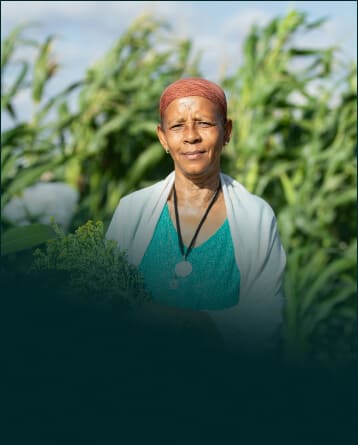
“The example of those who spend their wealth in the way of Allah is like a seed that sprouts into seven ears, each bearing one hundred grains.”

What Is Ramadan and Why Is It Important?

The month of Ramadan commemorates the time when the Qur’an was revealed to the Prophet Muhammad ﷺ. It is observed by Muslims through fasting from dawn to sunset, increased prayer, acts of charity, and personal reflection.

Fasting during Ramadan is one of the five pillars of Islam and is obligatory for adult Muslims who are physically able. However, Ramadan is not only about abstaining from food and drink. It is also about restraining harmful behaviour, strengthening character, and improving one’s relationship with Allah. 

Many Muslims view Ramadan as a spiritual reset. It encourages patience, gratitude, humility, and compassion. Through fasting and worship, believers are reminded of their dependence on Allah and their responsibility toward others.

When Does Ramadan 2026 Begin in the UK?

The start of Ramadan is determined by the sighting of the moon, which marks the beginning of the Islamic month. In the UK, Ramadan 2026 is expected to begin in mid-February, though the exact date will be confirmed by moon sighting announcements.

Each day of fasting begins at Fajr prayer and ends at Maghrib prayer. Because prayer times vary by location, Muslims are encouraged to follow a local timetable for accurate fasting hours.

  • Suhoor time in the UK refers to the pre-dawn meal eaten before Fajr.

Iftar time in the UK is the moment of sunset when the fast is broken.

Copy of 192A0356
1D5A5369
IMG_3340
_DSC0467 (1)
IMG-20161206-WA0002_1481019959377

How Long Do You Fast During Ramadan?

A common question is how long you fast during Ramadan. The fast lasts from dawn until sunset each day. In the UK, fasting hours vary depending on the season and location.

During Ramadan 2026, daylight hours are moderate, making fasting manageable but still demanding. While fasting, Muslims abstain from:

  • Eating and drinking
  • Smoking
  • Intimate relations

The fast is broken at sunset, traditionally with dates and water, followed by prayer and a meal.

What Breaks the Fast?

Understanding what breaks the fast is essential for observing Ramadan correctly. A fast is broken by intentionally eating or drinking during fasting hours. Smoking and taking oral medication also invalidate the fast.

There are important exemptions. Those who are ill, travelling, pregnant, breastfeeding, menstruating, or unable to fast for medical reasons are not required to fast. Depending on their situation, they may make up missed fasts later or give charity instead.

Knowing when you eat during Ramadan helps avoid confusion. Eating is permitted only between sunset and dawn. Actions like eating or drinking accidentally do not necessarily invalidate the fast, as intention plays a central role in Islamic rulings.

Prayer and Worship During Ramadan

Prayer becomes a central focus during Ramadan. Muslims continue the five daily prayers and often increase their worship throughout the month.

Ramadan prayer includes nightly prayers known as Taraweeh prayer, which are performed after Isha. These prayers allow Muslims to listen to and reflect on the Qur’an over the course of the month. 

Making Ramadan dua, reading the Qur’an, and seeking forgiveness are strongly encouraged. Ramadan is also a time when Muslims reflect on accountability, the day of resurrection, and their long-term spiritual goals.

Laylatul Qadr and the Last Ten Nights

The last ten nights of Ramadan hold special significance. Within these nights is Laylatul Qadr, also known as the Night of Decree.

Laylatul Qadr marks the night when the Qur’an was revealed. Worship on this night is believed to be better than a thousand months. Muslims intensify prayer, charity, and remembrance during these nights, hoping to experience a time when angels and the spirit descend by Allah’s command. Many people spend the final ten days of Ramadan focusing almost entirely on worship and reflection.

Charity and Giving in Ramadan

Charity in Ramadan is a key part of the month. Giving during Ramadan carries increased reward and reflects the values of compassion and responsibility taught in Islam.

Forms of giving include:

  • Sadaqah Ramadan
  • Zakat Ramadan (for those eligible)
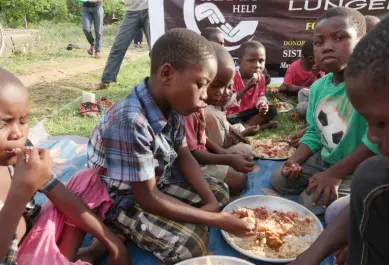
  • Providing Iftar meals
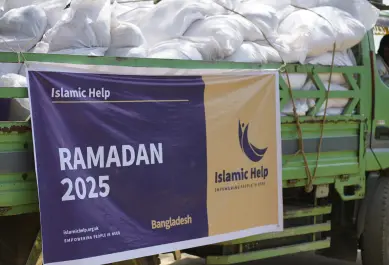
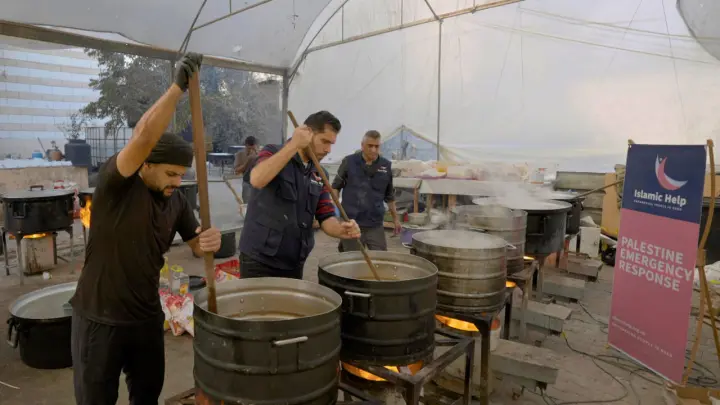
  • Supporting Ramadan food aid
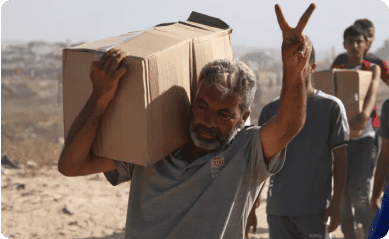
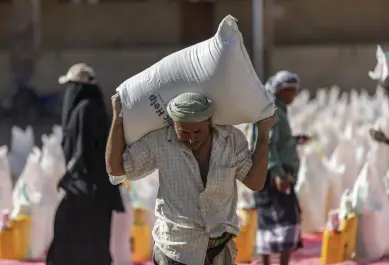
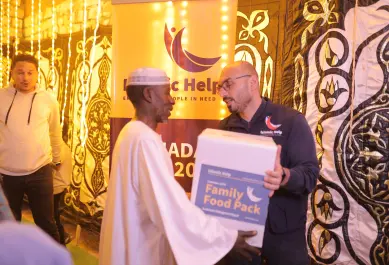
  • Distributing food parcels during Ramadan

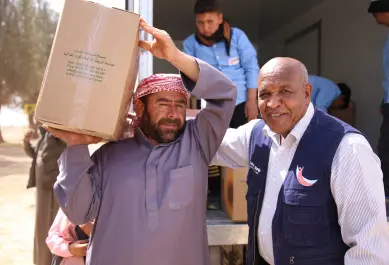
Many Muslims in the UK choose to give through Muslim charity UK organisations such as Islamic Help Ramadan, which supports families through food aid, emergency relief, and community programmes. Giving during Ramadan helps ensure vulnerable people can observe the month with dignity and access to essential nourishment.

Preparing for Ramadan

Preparing to observe Ramadan helps make the most of the month. Practical preparation includes planning meals, adjusting work schedules, and ensuring prayer times are known.

Spiritual preparation is equally important. This may include setting intentions, increasing remembrance, and seeking forgiveness. Ramadan is often seen as a time when sins will be forgiven for those who fast sincerely and turn back to Allah.

Many people also use Ramadan to focus on spiritual growth, improve habits, and strengthen family and community bonds.

Ramadan and Community Life in the UK

In the UK, Ramadan is deeply communal. Mosques host nightly prayers, families gather for Iftar, and communities organise food drives and charity collections. These shared experiences strengthen social ties and reinforce the idea that Ramadan is not only a personal journey but a collective one. Acts of kindness, generosity, and patience are encouraged throughout the month.

FAQs:

  • When can you eat during Ramadan?
    You can eat during Ramadan only outside fasting hours, between sunset and dawn. The fast ends at Maghrib with Iftar and begins again at Fajr. Eating or drinking intentionally during daylight hours invalidates the fast and requires making it up later.
  • How long do you fast during Ramadan in the UK?
    In the UK, fasting lasts from dawn until sunset each day. The length depends on daylight hours at that time of year. During Ramadan 2026, fasting hours are moderate, making preparation and hydration important for maintaining energy throughout the month.
  • What breaks the fast in Ramadan?
    Eating, drinking, smoking, or taking oral medication during daylight hours breaks the fast. Intentional actions invalidate fasting, while unintentional mistakes may not. Certain exemptions apply for illness, menstruation, travel, or pregnancy, with alternatives such as making up fasts later.
  • What is Laylatul Qadr?
    Laylatul Qadr, the Night of Decree, is one of the last ten nights of Ramadan. It commemorates the revelation of the Qur’an and is believed to be better than a thousand months. Worship on this night carries immense reward and spiritual significance.
  • Why is charity important during Ramadan?
    Charity is central to Ramadan because generosity is highly rewarded during this month. Giving supports vulnerable people, purifies wealth, and strengthens compassion. Acts such as food aid, zakat, and sadaqah reflect the values of mercy and responsibility taught in Islam.
  • How does Islamic Help support people during Ramadan?
    Islamic Help delivers Ramadan programmes focused on food aid, emergency relief, and community support. This includes providing Iftar meals and food parcels to families facing hardship, helping them observe Ramadan with dignity and providing access to essential nourishment.
  • How does Islamic Help deliver Ramadan food aid responsibly?
    Islamic Help delivers Ramadan food aid through experienced field teams and trusted local partners. Support is directed to eligible families based on need, ensuring food reaches people efficiently and respectfully. Programmes are planned to provide timely assistance throughout Ramadan while maintaining dignity and accountability.
  • Why give Ramadan charity through Islamic Help?
    Giving Ramadan charity through Islamic Help allows donations to reach vulnerable communities through trusted, transparent programmes. Support helps fund food distribution, emergency relief, and community aid during Ramadan, ensuring charity is delivered responsibly and in line with Islamic principles when rewards are multiplied.

updates that matter

Empower my Inbox

Volunteer

Vivamus lacinia lacus vel neque egestas, vitae volutpat purus dapibus. Nullam nec ultricies erat. Etiam ac urna metus.

    Updates that matter

    Join our mailing list for events, urgent appeals, and project updates from the communities you help empower.

      We use cookies to make your visit even better

      They help us understand how our website is used so we can improve your experience and share the stories and projects you care about most. All data is anonymous, and your privacy matters to us.
      We use cookies to make your visit even better