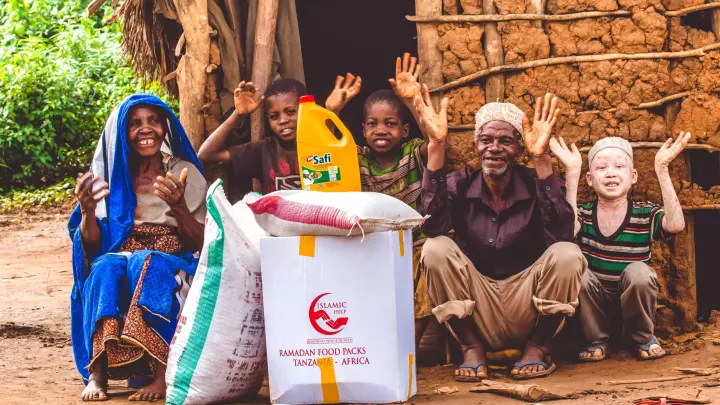
Preserving Dignity Through Food Aid: Why How Support Is Delivered Matters
Latest News

Preserving Dignity Through Food Aid: Why How Support Is Delivered Matters

Explore why dignified food aid matters, showing how respectful delivery that protects privacy, fairness, and cultural values can strengthen wellbeing and better support vulnerable communities in hardship.

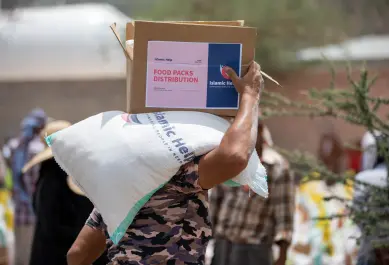
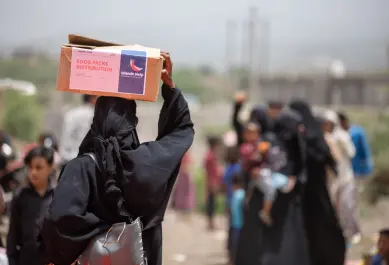
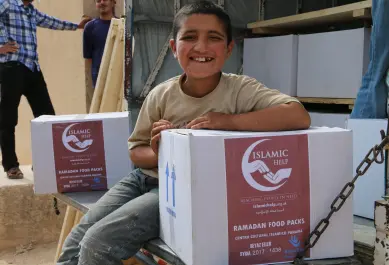
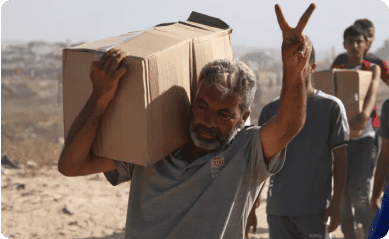
Food assistance is often viewed through the lens of quantity: how many parcels are distributed, how many meals are provided, and how many people are reached. While these measures are important, they do not tell the full story. For individuals and families experiencing hardship, the way food aid is delivered can be just as significant as the food itself.

Islamic Help’s Food & Social Programme places dignity at the centre of food assistance. By designing and delivering aid that respects privacy, fairness, and cultural norms, the programme ensures that support strengthens wellbeing rather than undermining it.

This article explores why dignity matters in food aid, how undignified assistance can deepen vulnerability, and how Islamic Help delivers food support in ways that uphold respect and humanity.
بِسْمِ ٱللَّهِ ٱلرَّحْمَٰنِ ٱلرَّحِيمِ

“The example of those who spend their wealth in the way of Allah is like a seed that sprouts into seven ears, each bearing one hundred grains.”

Why is dignity essential in humanitarian assistance

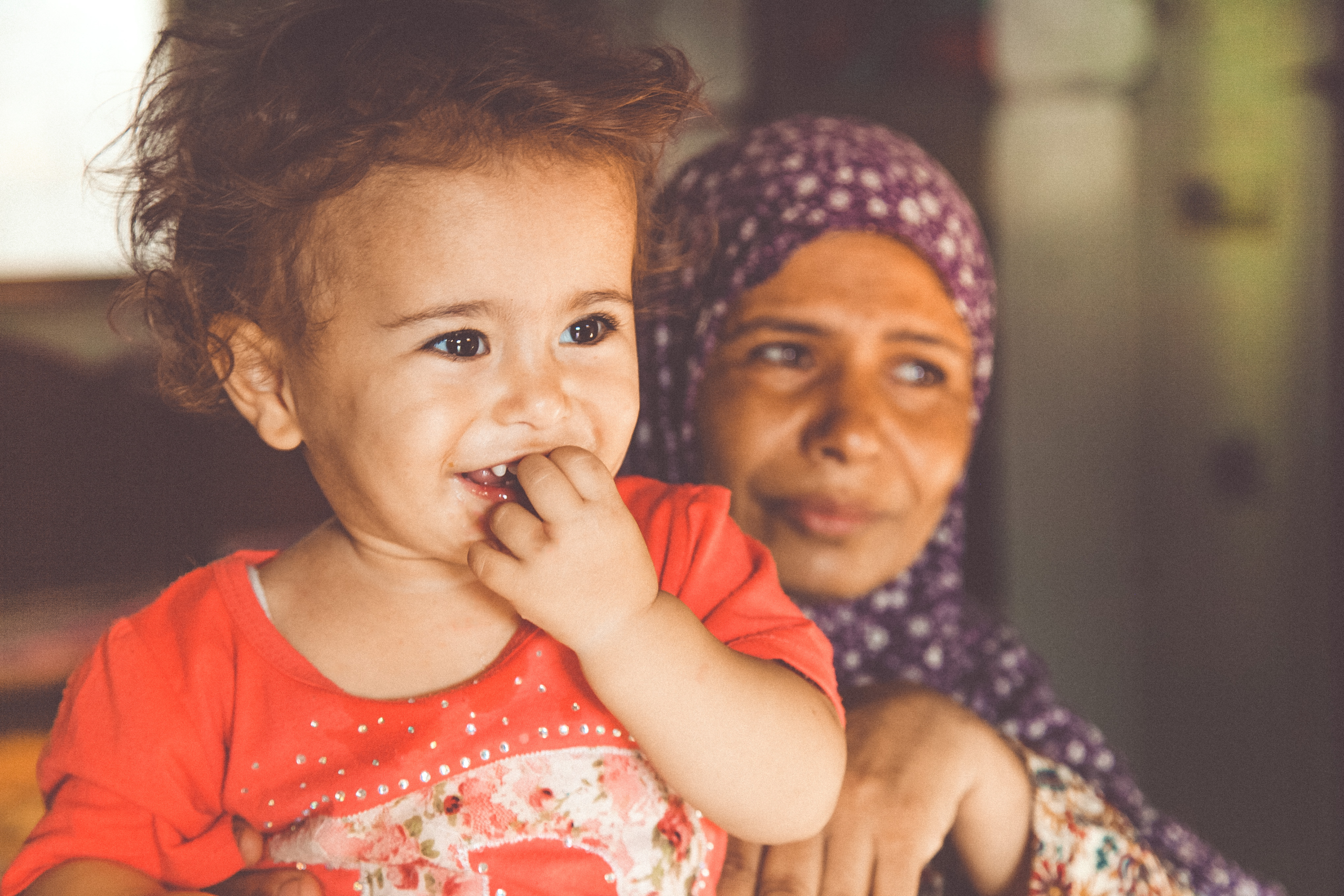
Dignity is a fundamental human value. In humanitarian contexts, where people have already experienced loss, displacement, or poverty, preserving dignity becomes even more important.

When assistance is delivered without sensitivity, it can cause embarrassment, stigma, or feelings of shame. Public distributions, lack of privacy, or unequal treatment can discourage people from seeking help, even when they are in urgent need.

Dignified food aid recognises recipients as individuals with rights and agency, not passive beneficiaries. This approach fosters trust, acceptance, and positive engagement with support programmes.

The impact of undignified food aid

Undignified food assistance can have unintended consequences. Families may avoid distributions due to fear of social judgment, leaving them vulnerable to hunger. Others may feel disempowered or marginalised, reinforcing cycles of exclusion.

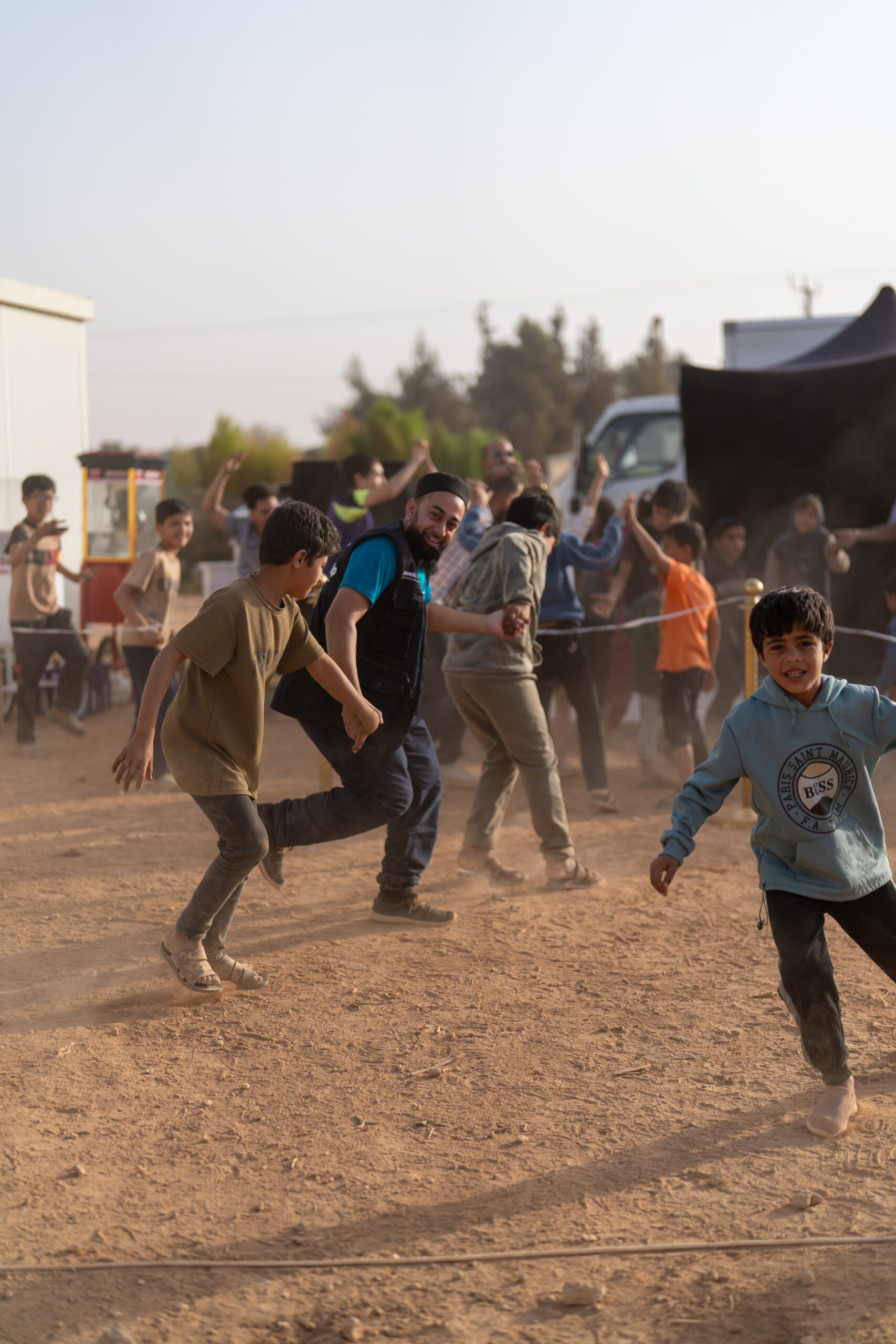
Children exposed to stigmatising aid practices may experience emotional distress or social isolation. For adults, repeated experiences of undignified assistance can erode self-esteem and community cohesion.

By contrast, dignified food aid supports mental well-being and reinforces a sense of belonging, both of which are essential for resilience in times of hardship.

Copy of 192A0356
IMG_8073 (1)
Copy of 192A1526
Copy of 192A1641
IMG_0560

Islamic Help’s dignity-first approach to food support

Islamic Help’s Food & Social Programme integrates dignity into every stage of food assistance, from planning to delivery. Projects are designed to respect recipients’ privacy, safety, and cultural context.

Food distributions are organised to minimise visibility and crowding where possible. Beneficiaries are treated respectfully, and assistance is provided without discrimination or favouritism.

This dignity-first approach reflects the programme’s commitment to humanitarian principles and ethical delivery, ensuring that support uplifts rather than diminishes those receiving it.

Fairness and transparency in distributions

Fairness is a key component of dignified food aid. When assistance is perceived as unequal or inconsistent, trust can quickly erode within communities.

Islamic Help works with local partners to establish clear criteria for food assistance, ensuring support reaches those most in need. Community-based assessments help identify vulnerable households and reduce the risk of exclusion or bias.

Transparent processes promote understanding and acceptance, reduce tension, and reinforce the legitimacy of food support programmes.

Cultural sensitivity and local context

Food is deeply connected to culture, identity, and daily life. Providing unfamiliar or inappropriate food can limit the usefulness of assistance and affect dignity.

Islamic Help’s Food & Social Programme considers cultural norms and dietary practices when planning food aid. Local partners play a vital role in ensuring the food provided is appropriate and acceptable to communities.

By respecting cultural context, food assistance becomes more effective and reinforces mutual respect and understanding between aid providers and recipients.

Protecting vulnerable groups during food aid delivery

Certain individuals face heightened risks during food distributions, including elderly people, people with disabilities, and single-parent households. Physical barriers, long queues, or unsafe distribution environments can prevent these groups from accessing support.

Islamic Help designs food assistance to be accessible and inclusive, adapting delivery methods to meet specific needs. This may involve additional support, targeted distributions, or alternative arrangements.

Protecting vulnerable groups ensures that dignity is preserved not only in principle, but in practice.

Safeguarding and ethical responsibility

Delivering food aid carries safeguarding responsibilities. Aid providers must ensure that assistance does not expose individuals to harm, exploitation, or abuse.

Islamic Help applies safeguarding standards across all Food & Social Programme activities. Staff and partners are guided by clear procedures designed to protect beneficiaries and ensure ethical conduct.

These safeguards are essential for maintaining trust and ensuring that food assistance remains a source of support rather than risk.

Accountability and trust in dignified aid

Dignity and accountability are closely linked. When food aid is delivered transparently and responsibly, trust grows between communities and aid organisations.

Islamic Help maintains accountability through monitoring, reporting, and oversight of food distributions. This ensures assistance is delivered as intended and that dignity standards are upheld consistently.

Clear communication with donors and communities reinforces confidence in how food aid is managed and delivered.

Dignity as a foundation for resilience

Dignified assistance contributes to resilience by supporting mental and emotional well-being alongside physical needs. When people feel respected and valued, they are better able to cope with hardship and uncertainty.

Food aid that preserves dignity helps maintain social cohesion, reduces tension, and encourages mutual support within communities. These outcomes are especially important in crisis-affected and resource-constrained environments.

Islamic Help’s Food & Social Programme recognises dignity as a cornerstone of effective humanitarian assistance.

Why dignity must remain central to food aid

Food aid is about more than addressing hunger. It is about how people are supported during some of the most difficult moments of their lives.

By placing dignity at the heart of food assistance, Islamic Help ensures that support protects both physical well-being and human worth. This approach transforms food aid from a basic transaction into a compassionate, respectful response to hardship.

Preserving dignity through food aid reflects a commitment to ethical humanitarian action and reinforces the values that underpin the Food & Social Programme. Through responsible delivery, Islamic Help continues to support vulnerable communities with respect, care, and integrity.

FAQs:

  • Why is dignity important in food aid programmes?
    Dignity is important because people receiving food aid may already feel vulnerable or marginalised. Respectful delivery helps prevent stigma, protects mental well-being, and encourages individuals to seek support when needed without fear or embarrassment.
  • How does undignified food aid affect communities?
    Undignified food aid can lead to shame, exclusion, and reduced trust. People may avoid distributions or feel disempowered, which can worsen hunger and undermine community cohesion during already difficult circumstances.
  • How does Islamic Help ensure dignity in food distributions?
    Islamic Help ensures dignity by organising fair, respectful distributions that minimise stigma, respect cultural norms, and protect privacy. Local partners help tailor delivery methods to community needs and conditions.
  • What role does fairness play in dignified food aid?
    Fairness ensures that food assistance reaches those most in need without bias or favouritism. Transparent criteria and community-based assessments help build trust and prevent tension within communities receiving support.
  • How are vulnerable individuals protected during food distributions?
    Vulnerable individuals are protected through inclusive delivery methods, safeguarding standards, and accessibility adaptations. Islamic Help works to ensure elderly people, people with disabilities, and other at-risk groups can access food aid safely and respectfully.

updates that matter

Empower my Inbox

Volunteer

Vivamus lacinia lacus vel neque egestas, vitae volutpat purus dapibus. Nullam nec ultricies erat. Etiam ac urna metus.

    Updates that matter

    Join our mailing list for events, urgent appeals, and project updates from the communities you help empower.

      We use cookies to make your visit even better

      They help us understand how our website is used so we can improve your experience and share the stories and projects you care about most. All data is anonymous, and your privacy matters to us.
      We use cookies to make your visit even better