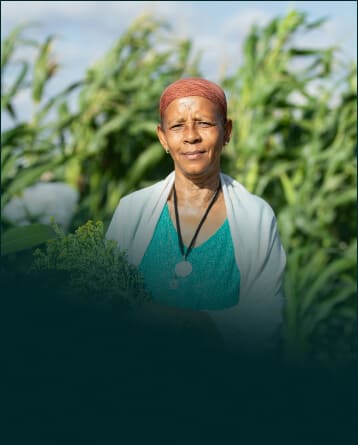
Mothers on the Frontline: Maternal and Child Health in Humanitarian Crises
Latest News

Mothers on the Frontline: Maternal and Child Health in Humanitarian Crises

Explore how maternal and child healthcare in humanitarian crises protects vulnerable mothers and infants, addressing heightened risks and ensuring access to life-saving care despite disrupted health systems.

Pregnancy and early childhood should be times of care, safety, and support. In humanitarian crises, however, they often become periods of heightened risk and uncertainty. Conflict, displacement, and the collapse of healthcare systems place mothers and children among the most vulnerable groups in emergencies.

Islamic Help’s Medical & Healthcare Programme addresses these challenges through targeted maternal and child health interventions. By supporting clinics, nutrition services, and frontline healthcare workers, the programme helps protect mothers and children where access to safe medical care has been severely disrupted.

This article explores why maternal and child health is so critical in humanitarian settings, how crises increase risks for women and infants, and how Islamic Help delivers life-saving support with dignity and professionalism.
بِسْمِ ٱللَّهِ ٱلرَّحْمَٰنِ ٱلرَّحِيمِ

“The example of those who spend their wealth in the way of Allah is like a seed that sprouts into seven ears, each bearing one hundred grains.”

Why maternal and child health are at risk during crises

Humanitarian crises disrupt every aspect of healthcare, but maternal and child services are often among the first to suffer. Facilities may close, skilled birth attendants become unavailable, and essential supplies such as medicines and nutritional supplements run out quickly.

Pregnant women face increased risks of complications without access to prenatal care, safe delivery services, and emergency obstetric support. Children are more susceptible to malnutrition, infections, and preventable illnesses when healthcare systems are weakened.

In conflict and displacement settings, these risks are intensified by food insecurity, poor sanitation, and overcrowding. Without timely intervention, otherwise manageable conditions can become life-threatening for both mothers and children.

The humanitarian consequences of weakened maternal care

When maternal healthcare collapses, the effects extend far beyond individual families. Increased maternal and infant mortality places additional strain on already fragile communities, while long-term health complications affect children’s development and survival.

Malnutrition is a significant concern. Pregnant and breastfeeding women require adequate nutrition to support their own health and that of their children. In crisis settings, limited food access and healthcare oversight increase the likelihood of severe malnutrition, particularly among infants and young children.

Addressing maternal and child health is therefore not only a medical priority, but a foundation for wider community resilience. Protecting mothers and children helps stabilise families and supports long-term recovery.

20170203_171110
DSC_0222
20170203_170134
Placeholder
Image Card (3) (1) (1)

Islamic Help’s approach to maternal and child health

Islamic Help’s Medical & Healthcare Programme supports maternal and child health through a combination of clinic-based care, nutrition support, and partnerships with local healthcare providers. These interventions are designed to respond to both immediate needs and longer-term health challenges in crisis-affected areas.

Maternal health clinics supported by Islamic Help provide prenatal and postnatal care, basic obstetric services, and monitoring for complications. These services help identify risks early and support safer pregnancies and deliveries.

Child health services focus on early detection and treatment of malnutrition, common childhood illnesses, and growth-related concerns. By integrating maternal and child care, the programme ensures continuity of support during critical life stages.

Maternal and child health in Yemen and other crisis settings

Maternal and child health interventions have been a core focus of Islamic Help’s work in Yemen, where prolonged conflict has devastated healthcare infrastructure. Clinics supported through the Medical & Healthcare Programme address severe malnutrition and provide essential care for mothers and children who would otherwise have limited access to services.

These clinics deliver nutrition screening, outpatient treatment for malnourished children, and medical support for pregnant and breastfeeding women. By operating within affected communities, services are accessible to families who may be unable to travel long distances for care.

Similar approaches are applied in other humanitarian contexts, including refugee settings, where overcrowding and limited resources place mothers and children at heightened risk. In each case, services are adapted to local needs and conditions.

The role of skilled healthcare workers

Access to skilled healthcare workers is essential for effective maternal and child health services. Islamic Help works with qualified medical professionals and trusted partners to ensure care is delivered safely and responsibly.

Local doctors, nurses, and midwives play a critical role in programme delivery. By supporting existing healthcare workers, Islamic Help helps strengthen local capacity rather than creating parallel systems. This approach improves sustainability and ensures services remain culturally appropriate.

In crisis environments, healthcare workers often operate under extreme pressure. Providing them with resources, support, and training helps maintain service quality during prolonged emergencies.

Protecting dignity and cultural sensitivity

Maternal and child health care requires sensitivity, trust, and respect. Islamic Help’s Medical & Healthcare Programme prioritises dignity in service delivery, recognising the importance of cultural norms and patient comfort.

Women are supported in environments that respect privacy and local customs, particularly during pregnancy and childbirth. This focus on dignity encourages greater service uptake and helps overcome barriers that may prevent women from seeking care.

Ethical storytelling and safeguarding principles are also applied when sharing information about maternal health work. Beneficiaries are represented respectfully, without exploitation or intrusion into personal experiences.

Impact of maternal and child health interventions

The impact of maternal and child health services is measured in lives protected and futures secured. Early detection of complications reduces maternal mortality, while timely nutrition and healthcare support improve survival and development outcomes for children.

Clinics supported by Islamic Help have delivered thousands of health consultations, nutrition screenings, and treatments. These interventions prevent minor conditions from becoming severe and reduce the long-term health burden on families and communities.

Beyond immediate outcomes, maternal health services contribute to broader stability. Healthy mothers are better able to care for their families, while healthy children are more likely to attend school and thrive.

Accountability and trust in healthcare delivery

As with all medical interventions, maternal and child health programmes require high levels of accountability. Islamic Help maintains strict governance standards to ensure services are delivered ethically, safely, and transparently.

Projects are implemented through verified partners, monitored through reporting, and reviewed to ensure alignment with healthcare standards. Donors are provided with clear information about programme scope and impact, reinforcing trust in how support is used.

This commitment to accountability is especially important in healthcare, where outcomes directly affect life and well-being.

Why maternal and child health remains a priority

In humanitarian crises, the needs of mothers and children are both urgent and enduring. Short-term emergency care must be paired with sustained support to protect health during pregnancy, infancy, and early childhood.

Islamic Help’s Medical & Healthcare Programme recognises this reality by investing in maternal and child health as a core pillar of humanitarian response. By supporting clinics, healthcare workers, and nutrition services, the programme helps ensure that even in the most challenging environments, mothers and children are not left behind.

Protecting maternal and child health is not only about survival. It is about safeguarding dignity, strengthening families, and laying the foundations for recovery and resilience in communities affected by crisis.

FAQs:

  • Why are mothers and children especially vulnerable in humanitarian crises?
    Mothers and children face higher risks because crises disrupt access to healthcare, nutrition, and safe living conditions. Pregnancy complications, malnutrition, and preventable illnesses become more dangerous without medical support. Addressing maternal and child health is essential to reducing mortality and protecting long-term well-being.
  • How does Islamic Help support maternal health in crisis settings?
    Islamic Help supports maternal health by working with clinics that provide prenatal and postnatal care, basic obstetric services, and medical monitoring. These services help identify complications early, support safer pregnancies, and ensure women receive care during and after childbirth.
  • What kind of support do children receive through these programmes?
    Children receive nutrition screening, treatment for malnutrition, and care for common illnesses. Early intervention helps prevent long-term health problems and reduces child mortality. Integrated services ensure children are supported alongside their mothers during critical stages of development.
  • Where does Islamic Help deliver maternal and child health services?
    Maternal and child health services are delivered in crisis-affected regions such as Yemen and in refugee settings where healthcare access is limited. Programmes are adapted to local conditions and delivered through trusted partners and qualified healthcare professionals.
  • How does Islamic Help ensure maternal health services are delivered ethically?
    Islamic Help ensures ethical delivery by working with qualified medical staff, respecting cultural norms, and following safeguarding standards. Services prioritise patient dignity, privacy, and safety, while transparent reporting and oversight maintain accountability and trust.

updates that matter

Empower my Inbox

Volunteer

Vivamus lacinia lacus vel neque egestas, vitae volutpat purus dapibus. Nullam nec ultricies erat. Etiam ac urna metus.

    Updates that matter

    Join our mailing list for events, urgent appeals, and project updates from the communities you help empower.

      We use cookies to make your visit even better

      They help us understand how our website is used so we can improve your experience and share the stories and projects you care about most. All data is anonymous, and your privacy matters to us.
      We use cookies to make your visit even better