Maximise Your Charity in Ramadan: Zakat, Sadaqah & Rewards
Latest News

Maximise Your Charity in Ramadan: Zakat, Sadaqah & Rewards

Learn how to maximise your charity in Ramadan through Zakat and Sadaqah, understand the rewards of giving, and support those in need.

Ramadan is a sacred month in the Islamic calendar. It is the holy month of Ramadan when Muslims fast, pray, and try to grow closer to Allah. It is also a month when giving becomes a big part of worship.

For many people, Ramadan is a time to reset. Fasting helps you build self-control. Charity helps you look outward. When you give, you support others and strengthen your own faith.

This blog explains how to maximise your giving in Ramadan. It covers zakat in Ramadan and sadaqah in Ramadan. It also explains the rewards of giving, and how your support can help people who are struggling.
بِسْمِ ٱللَّهِ ٱلرَّحْمَٰنِ ٱلرَّحِيمِ

“The example of those who spend their wealth in the way of Allah is like a seed that sprouts into seven ears, each bearing one hundred grains.”

Why charity matters in Ramadan

Charity during Ramadan is not only about money. It is about the heart. It is about kindness, care, and responsibility. Ramadan is a time when Muslims try to increase good actions. A good deed can be small, like helping someone, or big, like feeding many people. Either way, it matters.

Charity also connects strongly with fasting. When you fast, you feel hunger. That feeling can help you understand the lives of people who do not have enough food even outside Ramadan.

Giving becomes part of worship because it is an act done for Allah. That is why acts of charity are so encouraged in this month.

Zakat in Ramadan: the obligation and the meaning

Zakat is one of the pillars of Islam. It is not optional for those who qualify.

Many Muslims choose to pay zakat in Ramadan. They want to meet their duty in a month full of worship. They also want the blessing of giving when communities have greater needs.

Zakat has a clear purpose:

  • It supports people who are eligible to receive it
  • It helps reduce hardship
  • It teaches fairness and shared responsibility

It also has a personal impact. Zakat is often described as the purification of wealth. It helps remove greed and reminds Muslims that wealth is a trust.

To fulfil zakat properly, you need to get the amount right. That is why zakat calculation matters. If you are unsure, it helps to use trusted guidance and tools.

058A1828
03313828-361d-4ef9-9c58-c60f8ac0aeb5
006A8135 copy3
0U4A8052
IMG_8017

Sadaqah in Ramadan: voluntary giving with a wide meaning

Sadaqah is a voluntary charity. It can be given at any time and in any amount. During Ramadan, many Muslims increase sadaqah because giving is part of worship and community care.

Sadaqah can include:

  • Money
  • Food
  • Clothing
  • Help for a neighbour
  • Support for a family in need

That is why people describe it as sadaqah voluntary charity. It is flexible and open to everyone.

Many ask about the difference between zakat and sadaqah. In simple terms:

  • Zakat is required for eligible Muslims and has specific rules
  • Sadaqah is optional and can be given in many forms

Both are important. Together, they help build a community that looks after people.

Rewards of charity in Ramadan

Many Muslims give more in Ramadan because they believe in increased reward. People often search for Ramadan rewards because they want to understand why giving feels so important in this month.

The rewards of charity in Ramadan are part of Islamic teaching. Giving in this sacred month supports others and also strengthens your faith.

The reward is not just “more points.” It is deeper than that. It is about:

  • Building gratitude
  • Becoming less attached to wealth
  • Learning humility
  • Growing spiritually

These are real outcomes, not just ideas. Over time, charity can change a person.

A charity that helps people break their fast

One of the clearest ways to give in Ramadan is to help people eat. Many families struggle to put food on the table. Some do not have enough for a proper meal at sunset.

This is why food aid in Ramadan is so important. It helps fasting people feel supported, not forgotten.

Popular ways to help include:

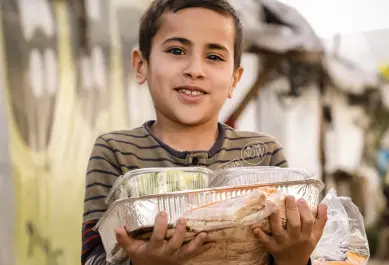
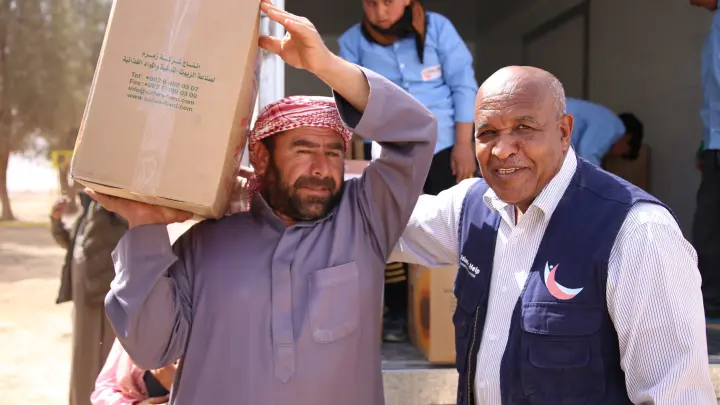
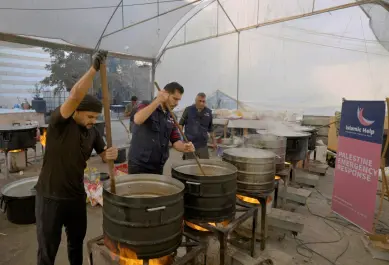
  • Providing iftar meals in Ramadan
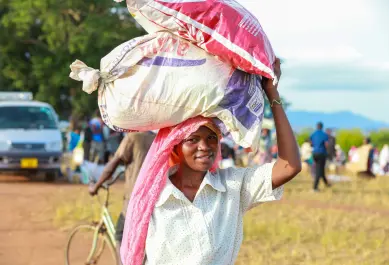
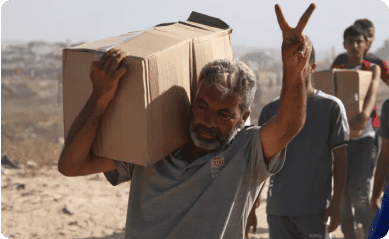
  • Delivering food parcels in Ramadan
  • Supporting food parcels for families under pressure
  • Helping with daily staples so people can cook at home

When people search for “feed the fasting” or “help them break their fast,” they are often looking for this type of support.

Supporting fasting families is one of the most direct ways to turn faith into action. It is practical, kind, and easy to understand.

Ramadan giving in the UK: community support matters

Ramadan is also about community. People come together for prayer, food, and support. In the UK, many Muslims focus on local and global needs at the same time. That is where Ramadan giving in the UK become important idea. Charity helps communities stay strong and helps families cope during hard times.

Many donors in the UK give through trusted organisations. Supporting a reliable Muslim charity in the UK can help donations reach the right people.

Many people choose Islamic Help Ramadan because they want donations delivered with care and dignity. Islamic Help is also recognised as a Muslim charity, with UK donors supporting food aid and essential support for communities in need.

Choosing what to give: a simple approach

Maximising charity does not mean you must give huge amounts. It means giving well and giving consistently.

Here are simple ways to do that:

  • Pay zakat donation if you are eligible
  • Give sadaqah regularly, even in small amounts
  • Support iftar meals or food parcels
  • Give on key nights, including the night of power
  • Give quietly and sincerely

Many Muslims also choose to donate daily during Ramadan. Some give in the last ten nights, hoping to give during a blessed night that is better than a thousand months.

Giving with intention and care

Islam teaches that intention matters. Giving should be done sincerely and without showing off.

It also helps to give responsibly. If you are paying zakat, accuracy matters. If you are giving sadaqah, it helps to support programmes that are clear and trusted.

Many donors choose to:

  • Donate zakat in Ramadan through a charity they trust
  • Donate sadaqah in Ramadan through programmes that deliver food and support quickly

When giving is managed well, it honours the giver and protects the dignity of the receiver.

Remembering the Prophet’s example

Ramadan charity is also connected to the example of the Prophet. Many Muslims reflect on the teachings and behaviour of Prophet Muhammad (PBUH)

His example shows that generosity is not seasonal. Ramadan simply makes that generosity easier to practise and more central to daily life. Charity is a way to serve others, and it is also a way to grow closer to Allah in this sacred month.

Closing reflection

Ramadan is a time of worship, community, and care. When you give, you help people and you also shape your own heart. Whether you focus on zakat, sadaqah, iftar meals, or food parcels, each act matters. A small good deed done with sincerity can be heavy in reward.

If you want to maximise your charity in Ramadan, start with intention, then choose a practical action, and stay consistent through the days of Ramadan.

FAQs:

  • Why is charity especially important during Ramadan?
    Charity is especially important during Ramadan because rewards for good deeds are multiplied. Giving during this month strengthens empathy, supports vulnerable people, and complements fasting and prayer. It allows Muslims to turn reflection into action and fulfil social responsibility alongside personal worship.
  • What is the difference between zakat and sadaqah?
    Zakat is an obligatory charity with specific rules and eligible recipients, while sadaqah is voluntary and can be given at any time. Zakat is calculated based on wealth thresholds, whereas sadaqah has no fixed amount and includes financial help or acts of kindness.
  • Can zakat be given during Ramadan?
    Yes, zakat can be given during Ramadan, and many Muslims choose to do so. While zakat is not limited to Ramadan, giving during this month is encouraged because of the increased spiritual reward and the opportunity to support people during a time of heightened need.
  • How does charity support fasting families?
    Charity supports fasting families by providing food, Iftar meals, and essential supplies. This ensures families can break their fast with dignity and maintain health during Ramadan. Food aid reduces hardship and allows people to focus on worship without worrying about daily meals.
  • Is giving charity considered an act of worship?
    Yes, giving charity is considered an act of worship when done sincerely for the sake of Allah. It strengthens faith, purifies wealth, and reflects compassion. During Ramadan, charity becomes closely connected with fasting and prayer, reinforcing spiritual growth and responsibility.
  • How does Islamic Help deliver charity during Ramadan?
    Islamic Help delivers Ramadan charity through food aid, Iftar meals, and emergency support programmes. These initiatives are managed by experienced teams who identify vulnerable households and distribute assistance responsibly, ensuring donations reach people in need with dignity and care.
  • Why give zakat and sadaqah through Islamic Help?
    Giving zakat and sadaqah through Islamic Help ensures donations are delivered responsibly and in line with Islamic guidance. The organisation prioritises transparency, ethical distribution, and community impact, allowing donors to give with confidence during Ramadan.
  • How does Islamic Help ensure donations make an impact?
    Islamic Help ensures donations make an impact by working with local partners, monitoring distribution, and focusing on genuine need. Programmes are designed to provide immediate relief and long-term support, helping communities build resilience beyond Ramadan.

updates that matter

Empower my Inbox

Volunteer

Vivamus lacinia lacus vel neque egestas, vitae volutpat purus dapibus. Nullam nec ultricies erat. Etiam ac urna metus.

    Updates that matter

    Join our mailing list for events, urgent appeals, and project updates from the communities you help empower.

      We use cookies to make your visit even better

      They help us understand how our website is used so we can improve your experience and share the stories and projects you care about most. All data is anonymous, and your privacy matters to us.
      We use cookies to make your visit even better