Lifesaving Trauma Care in Conflict Zones: How Medical Aid Saves Lives
Latest News

Lifesaving Trauma Care in Conflict Zones: How Medical Aid Saves Lives

Learn how Islamic Help delivers emergency trauma care in conflict zones, supplying surgeons and essential supplies to overwhelmed hospitals, saving lives through timely treatment.

In conflict zones, injury and illness are not only more frequent but also far more deadly. Hospitals operate under extreme pressure, supplies are scarce, and trained specialists are often unavailable when they are needed most. In these environments, timely trauma care can mean the difference between life and death.

Islamic Help’s Medical & Healthcare Programme responds to these realities by supporting emergency trauma care in conflict-affected areas. Through the deployment of specialist surgeons, the provision of essential medical supplies, and partnerships with local hospitals, Islamic Help helps deliver life-saving care where healthcare systems are overwhelmed or damaged by war.

This article explains how trauma care works in conflict settings, why it is so critical, and how Islamic Help turns medical aid into real, measurable impact for civilians caught in crisis.
بِسْمِ ٱللَّهِ ٱلرَّحْمَٰنِ ٱلرَّحِيمِ

“The example of those who spend their wealth in the way of Allah is like a seed that sprouts into seven ears, each bearing one hundred grains.”

Why trauma care is critical during conflict

Armed conflict creates a unique medical emergency. Civilians are injured by blasts, shrapnel, burns, and collapsing infrastructure, often in large numbers and over short periods of time. Hospitals must treat severe injuries continuously, frequently without adequate equipment, electricity, or medication.

Without rapid trauma care, injuries that would normally be survivable become fatal. Delays increase the risk of infection, permanent disability, and death. Children, women, and elderly people are particularly vulnerable, as their bodies are less able to withstand blood loss, shock, and untreated wounds.

Trauma care addresses these risks directly. Emergency surgery, wound management, and stabilisation prevent complications and reduce long-term harm. In conflict zones, trauma care is not a specialised service; it is the backbone of emergency healthcare.

How conflict overwhelms local healthcare systems

In war-affected regions, healthcare infrastructure is often damaged or destroyed. Hospitals may be partially operational, overcrowded, or forced to function with limited staff and supplies. Local doctors and nurses work under immense strain, often without rest, as they treat an unrelenting flow of patients.

Specialist expertise is frequently unavailable. Complex injuries require trained trauma and reconstructive surgeons, yet many conflict zones lack sufficient specialists due to displacement, insecurity, or resource shortages. Even when skilled staff are present, the absence of surgical tools, consumables, or sterile environments limits what can be done.

Islamic Help’s trauma care interventions are designed to support these overstretched systems, not replace them. By reinforcing existing hospitals and teams, emergency medical aid helps restore critical capacity during the most dangerous moments of conflict.

Media (1) (1)
PHOTO-2024-10-01-16-35-37
PHOTO-2024-03-28-17-49-35 (4)
WhatsApp Image 2026-01-25 at 19.44.40
20180408_204834

Islamic Help’s approach to emergency trauma care

Islamic Help delivers trauma care through a coordinated model that combines skilled personnel, medical equipment, and local partnerships. One key component is the deployment of specialist surgeons to conflict zones, particularly in response to acute crises.

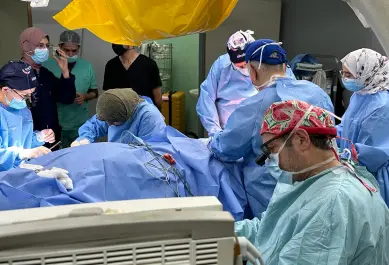
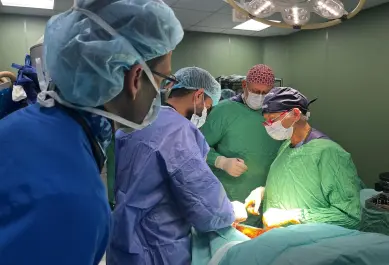
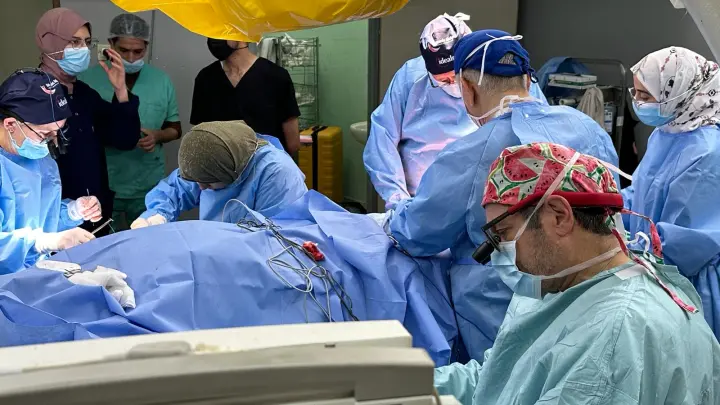
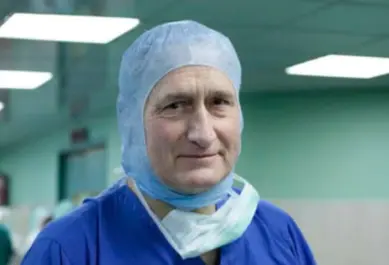
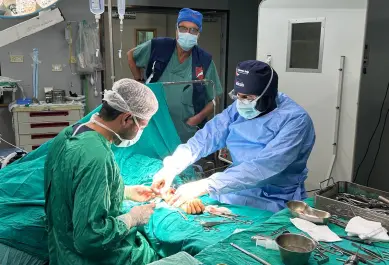
These surgeons work alongside local medical teams in frontline hospitals, performing complex, life-saving operations under extremely challenging conditions. Their presence increases surgical capacity, allowing more patients to be treated quickly and effectively.

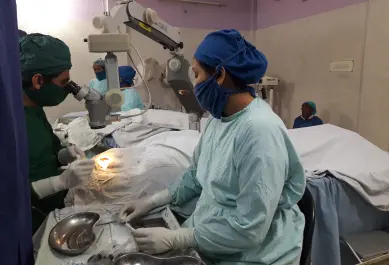
Alongside personnel, Islamic Help supports hospitals with essential medical supplies. In many conflict settings, shortages of consumables such as surgical instruments, dressings, and sterilisation materials severely limit care. Supplying these resources enables hospitals to continue operating safely during emergencies.

All interventions are delivered in coordination with trusted partners and local facilities, ensuring that care is culturally appropriate, ethically delivered, and aligned with real needs on the ground.

Trauma care in Gaza and other conflict settings

Conflict-related trauma care has been a central focus of Islamic Help’s medical response in places such as Gaza. During periods of intense fighting, hospitals receive large numbers of critically injured civilians, including children with severe blast and shrapnel wounds.

Islamic Help has supported surgical deployments in these settings, helping hospitals manage complex injuries that require immediate intervention. These operations often prevent amputations, control life-threatening infections, and save limbs as well as lives.

Trauma care in such environments is not limited to surgery alone. It also includes post-operative care, infection control, and coordination with rehabilitation services for patients who survive with long-term injuries. Emergency interventions therefore, form part of a broader continuum of care.

Protecting dignity in emergency medical care

Delivering trauma care during conflict requires more than technical skill. Patients are often frightened, displaced, and grieving. Maintaining dignity, respect, and compassion is essential, particularly when treating vulnerable populations.

Islamic Help’s Medical & Healthcare Programme prioritises ethical delivery and safeguarding. Care is provided without discrimination, and patients are treated with respect regardless of background or circumstance. Medical teams focus on preserving dignity even in overcrowded or under-resourced settings.

This approach aligns with Islamic principles that emphasise the sanctity of life and the obligation to relieve suffering. Trauma care is delivered not solely as charity, but as a moral responsibility to protect human life.

Measurable impact of trauma care interventions

The impact of emergency trauma care is immediate and tangible. Each successful surgery represents a life saved, a limb preserved, or a permanent disability prevented. For families, this means the survival of a parent, child, or loved one who might otherwise have been lost.

Beyond individual outcomes, trauma care stabilises healthcare systems during crises. By reinforcing hospitals with additional capacity and resources, Islamic Help helps prevent system collapse during peak periods of violence.

These interventions also reduce long-term humanitarian burden. Preventing amputations and severe complications lowers future rehabilitation needs and supports faster recovery for affected communities.

Transparency and trust in medical aid delivery

Medical aid is a high-trust area. Donors must be confident that support translates into real, ethical care. Islamic Help maintains strict standards of transparency and accountability across all trauma care interventions.

Projects are delivered through verified partners and qualified professionals. Outcomes are documented through reports, field updates, and verified accounts from deployment teams. This transparency ensures donor confidence while respecting patient privacy and safeguarding requirements.

By combining professional oversight with responsible communication, Islamic Help ensures that emergency trauma care is both effective and trustworthy.

Why emergency trauma care remains essential

As long as conflict continues to affect civilian populations, emergency trauma care will remain a critical humanitarian need. Injuries cannot be postponed, and lives cannot wait for systems to recover.

Islamic Help’s Medical & Healthcare Programme responds to this reality by delivering rapid, professional trauma care when it is needed most. Through skilled personnel, essential supplies, and ethical partnerships, medical aid becomes a lifeline for communities facing the worst consequences of war.

Trauma care saves lives not only in the moment of crisis, but long after, by preserving health, dignity, and the possibility of recovery.

FAQs:

  • Why is trauma care so important in conflict zones?
    Trauma care is critical because injuries in conflict settings are often severe and life-threatening. Without rapid surgical intervention and proper treatment, otherwise survivable wounds can become fatal. Trauma care prevents infections, reduces long-term disability, and saves lives when healthcare systems are overwhelmed by violence.
  • How does Islamic Help support trauma care during conflicts?
    Islamic Help supports trauma care by deploying specialist surgeons, supplying essential medical equipment, and working with local hospitals in conflict zones. These interventions increase surgical capacity, strengthen overstretched healthcare systems, and ensure civilians receive urgent life-saving treatment during emergencies.
  • Who benefits most from emergency trauma care?
    Civilians injured during conflict benefit most from emergency trauma care, particularly children, women, and elderly people. These groups are especially vulnerable to complications from untreated injuries. Trauma care helps protect life, preserve limbs, and reduce long-term disability among affected populations.
  • Is trauma care only about surgery?
    No. Trauma care includes emergency surgery, wound management, infection control, and post-operative care. In conflict settings, it also involves stabilising patients, coordinating follow-up treatment, and linking survivors to rehabilitation services when injuries result in long-term health needs.
  • How does Islamic Help ensure trauma care is delivered responsibly?
    Islamic Help delivers trauma care through qualified medical professionals and trusted partners, following strict ethical and safeguarding standards. Care is coordinated with local hospitals, monitored through reporting, and delivered with respect for patient dignity, ensuring accountability and trust in medical aid delivery.

updates that matter

Empower my Inbox

Volunteer

Vivamus lacinia lacus vel neque egestas, vitae volutpat purus dapibus. Nullam nec ultricies erat. Etiam ac urna metus.

    Updates that matter

    Join our mailing list for events, urgent appeals, and project updates from the communities you help empower.

      We use cookies to make your visit even better

      They help us understand how our website is used so we can improve your experience and share the stories and projects you care about most. All data is anonymous, and your privacy matters to us.
      We use cookies to make your visit even better