How Much Does It Cost to Build a Water Well?
Latest News

How Much Does It Cost to Build a Water Well?

Learn what affects the cost of building a water well, how projects differ, and how your donation creates sustainable, long-term access to safe water.

Many donors want to give clean water but feel unsure about the cost. Why does one water well cost more than another? What does your donation actually pay for? And how do you know the project will last?

This guide explains the cost of building a water well through Islamic Help, using real project examples from countries where Islamic Help delivers water solutions. You’ll learn what affects pricing, how different water projects work, and how to donate responsibly so your charity provides safe water and lasting reward.
بِسْمِ ٱللَّهِ ٱلرَّحْمَٰنِ ٱلرَّحِيمِ

“The example of those who spend their wealth in the way of Allah is like a seed that sprouts into seven ears, each bearing one hundred grains.”

What types of water projects does Islamic Help deliver?

Islamic Help delivers several types of water projects, each designed to meet different community needs. Not every location requires the same solution, which is why costs vary.

The most common options include water hand pumps, community water wells, school water systems, and larger-scale water infrastructure. Hand pumps are typically installed where groundwater is readily accessible near the surface and are suitable for families or small clusters of homes. Community water wells are designed to serve entire villages, often reaching deeper aquifers to provide reliable water year-round.

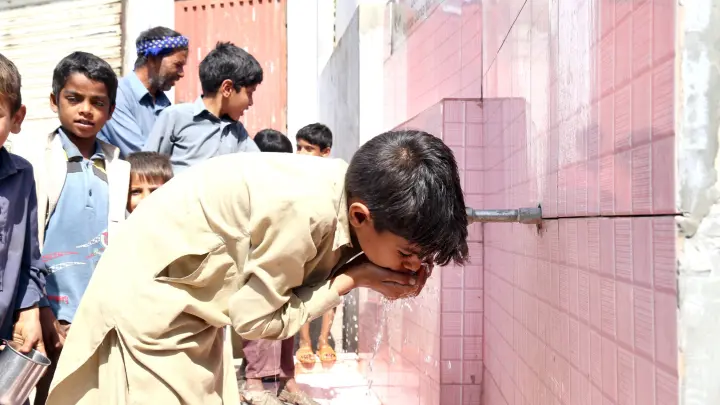
In schools and public facilities, Islamic Help delivers water systems combined with sanitation and hygiene infrastructure to protect children’s health and education. In complex or densely populated areas, such as Gaza, Islamic Help also supports large-scale systems, such as desalination plants and treatment facilities.

Each project type is chosen based on local conditions, population size, water availability, and long-term sustainability.

How much does a water well cost with Islamic Help?

Water well costs depend on the type and scale of the project. Islamic Help offers a range of options so donors can give according to their means while still creating a meaningful impact.

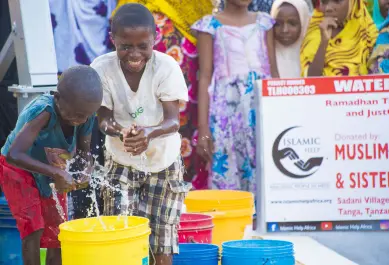
A water hand pump typically costs around £150. This provides a nearby water source for a household or small community and is one of the most affordable ways to give water as Sadaqah Jariyah.

A community water well usually starts from around £1,500. These wells are deeper and designed to serve many families daily. In some locations, larger or more technically demanding wells may cost more, depending on drilling depth and infrastructure requirements.

School water systems and larger water projects can cost £6,000 or more, particularly where storage tanks, solar pumps, or additional infrastructure are required. These projects often serve hundreds or thousands of people and are designed for long-term use.

Islamic Help also allows donors to contribute any amount toward pooled water projects, ensuring that even partial donations help bring wells and systems to completion.

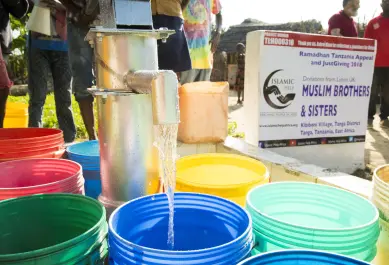
Tanzania Water (3)
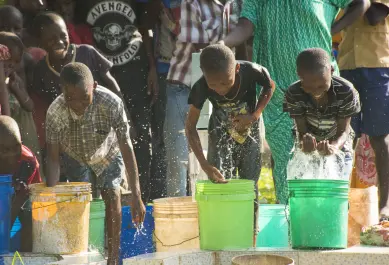
Tanzania Water (4)
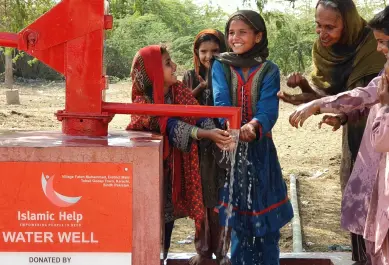
Tanzania Water (6) (1)
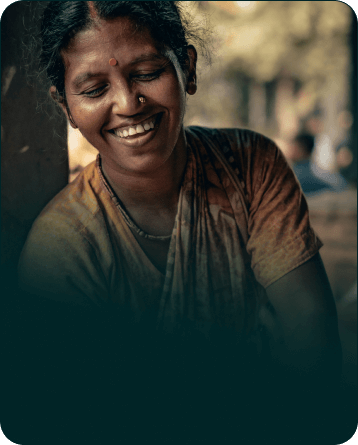
Tanzania Water (5)
Well 1a

What factors affect the cost of building a water well?

Several key factors influence the cost of a water well. One of the most important is depth. In some regions, water is accessible close to the surface, while in others drilling must reach much deeper aquifers, increasing equipment and labour costs.

Location and access also play a role. Remote villages, conflict-affected areas, or regions with poor infrastructure require additional logistics and safety measures. Materials, fuel, and skilled labour may be more expensive or difficult to source.

Population size matters as well. A well designed for a small community differs significantly from one intended to serve a large village, school, or hospital. Larger projects often require pumps, storage tanks, or reinforced platforms.

Finally, responsible projects include community training, maintenance planning, and monitoring, which add to cost but protect long-term impact.

What does your water well donation usually cover?

A water well donation covers much more than drilling alone. Islamic Help’s pricing reflects a full project lifecycle, ensuring the water source remains usable and beneficial.

Typically, a donation includes site assessment, community consultation, drilling or construction, materials, labour, and installation of pumps or platforms. It also includes training for local users, helping communities take responsibility for maintenance.

Where applicable, Islamic Help provides a plaque naming the donor or a loved one, as well as a full PDF feedback report with images upon completion of the project. This transparency allows donors to see exactly how their contribution was used.

By covering these elements, Islamic Help ensures that water projects are not only built but sustained.


Is it better to fund a whole well or contribute part of the cost?

Both options are valuable. Some donors choose to fully fund a water well, allowing them to complete a project independently and receive dedicated feedback on that installation.

Others prefer to contribute part of the cost, knowing their donation will be combined with others to deliver a complete project. This approach allows donors of all budgets to participate in long-term water solutions.

Islamic Help manages pooled donations carefully so that no project is left incomplete. Whether you give £50 or £5,000, your contribution helps bring safe water to people who need it.

How does Islamic Help ensure that water wells last in the long term?

Longevity is central to Islamic Help’s approach. Water projects are delivered with sustainability in mind, not as short-term fixes.

Islamic Help works with local teams to ensure appropriate design and installation. Communities are involved from the beginning, helping build ownership and responsibility. Training is provided so basic maintenance can be handled locally, reducing downtime if issues arise.

In larger projects, additional monitoring and follow-up help protect long-term functionality. This approach ensures that water wells continue to benefit people for years, making them true Sadaqah Jariyah.

FAQs:

  • How much does it cost to build a water well with Islamic Help?
    Water project costs vary by type and location. Hand pumps usually cost around £150, while community water wells typically start from about £1,500. Larger water systems, such as school or infrastructure projects, can cost £6,000 or more, depending on depth, access, and technical requirements.
  • Why do water well costs differ between countries?
    Costs vary based on groundwater depth, terrain, access, and local construction conditions. Some regions require deeper drilling or additional equipment, while remote or conflict-affected areas involve higher logistics and labour costs. Islamic Help selects the most appropriate solution for each location to ensure sustainability and impact.
  • Does my donation cover everything needed to build the well?
    Yes. Islamic Help’s water well donations cover site assessment, construction, materials, labour, and community handover. Where applicable, this also includes donor recognition through a plaque and a full PDF feedback report with images confirming project delivery and impact.
  • Can I donate part of the cost of a water well?
    Yes. You can donate any amount toward a water well project. Partial donations are pooled with others to complete full installations. Islamic Help manages pooled funds carefully so that every contribution helps deliver a finished, functional water project.
  • How long does it take to complete a water well?
    Completion times vary depending on location, access, and project type. In most cases, water wells are delivered within several months. Islamic Help provides feedback once the project is completed, including images and a report confirming that the water source is operational.

updates that matter

Empower my Inbox

Volunteer

Vivamus lacinia lacus vel neque egestas, vitae volutpat purus dapibus. Nullam nec ultricies erat. Etiam ac urna metus.

    Updates that matter

    Join our mailing list for events, urgent appeals, and project updates from the communities you help empower.

      We use cookies to make your visit even better

      They help us understand how our website is used so we can improve your experience and share the stories and projects you care about most. All data is anonymous, and your privacy matters to us.
      We use cookies to make your visit even better