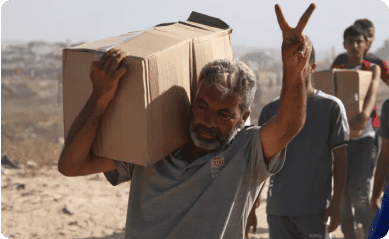
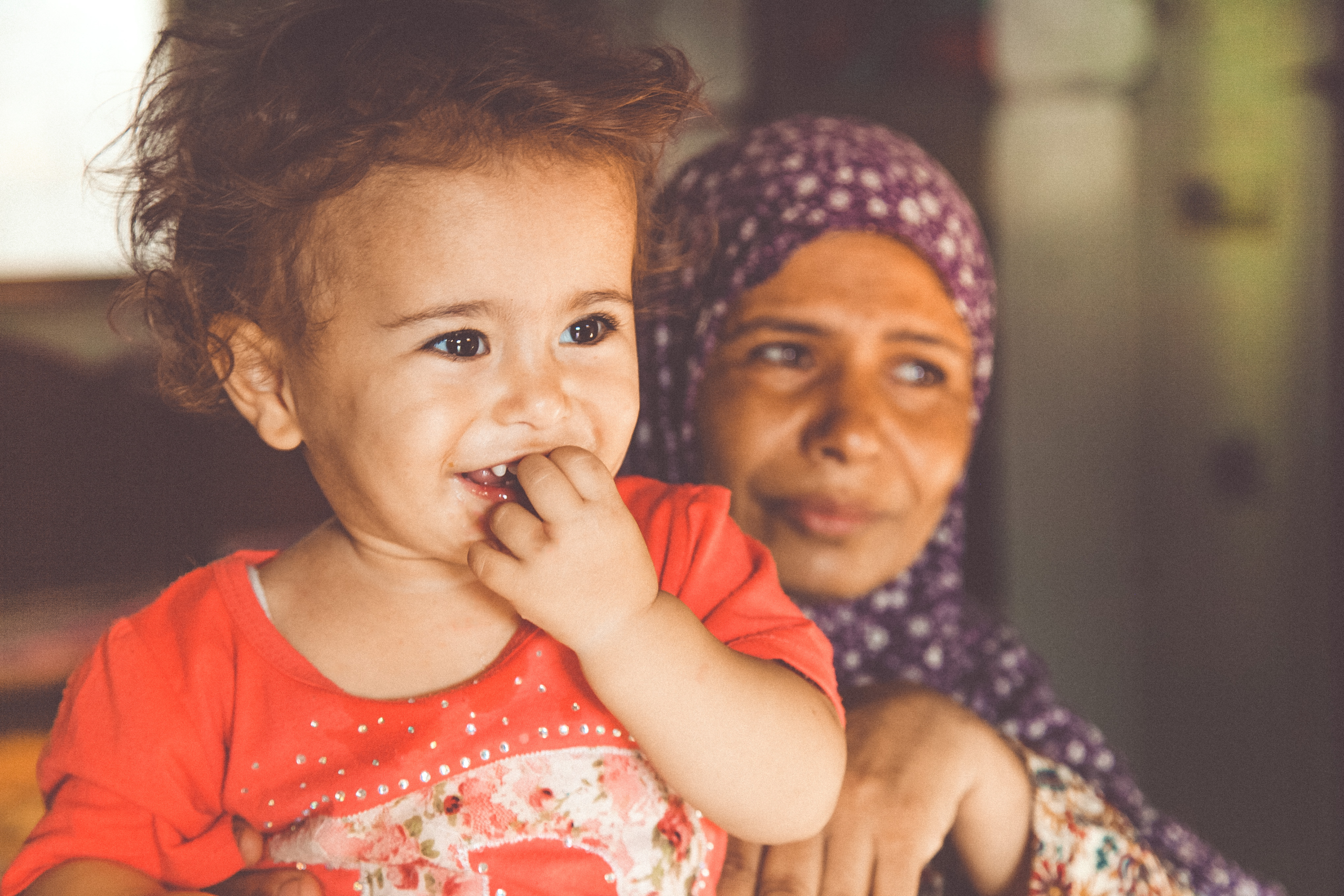
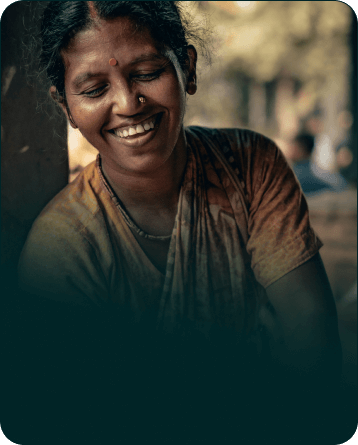
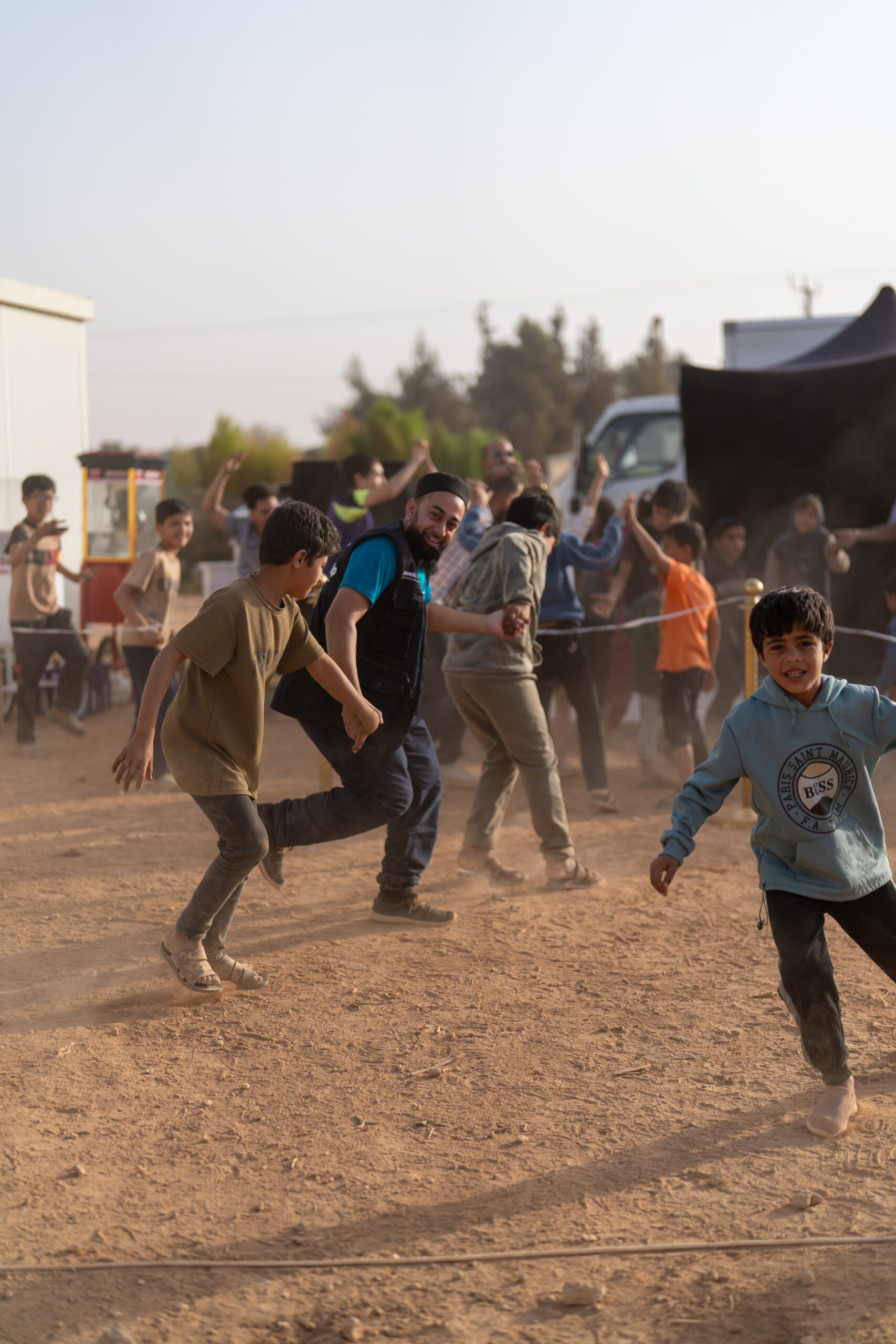
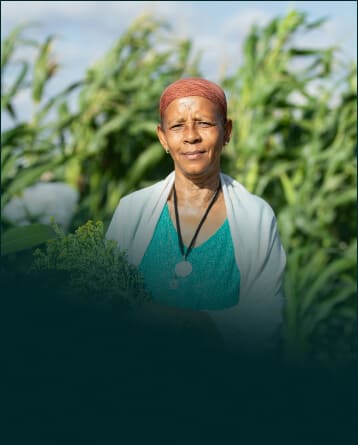
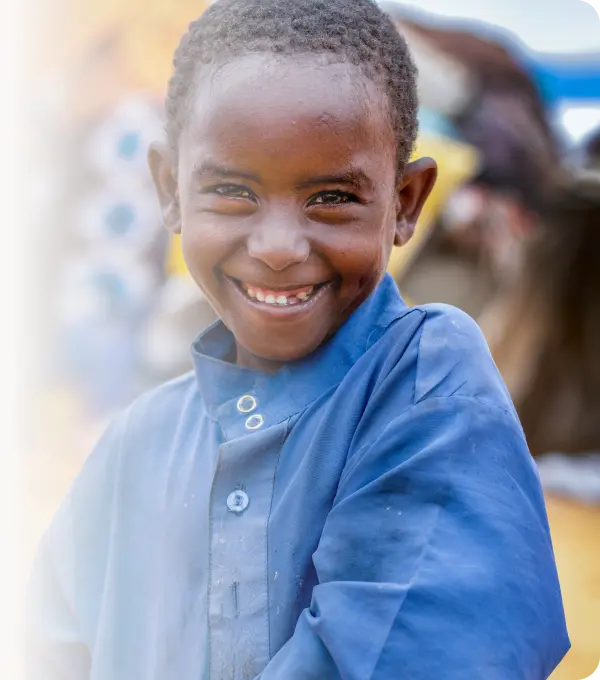
Islamic Help values showing donors the difference their Fitrana makes. Often, after or during distribution, they document the process; they might take photographs or videos (with consent and maintaining dignity, not showing the faces of recipients who may feel shy, or sometimes showing happy, consented pictures) to share with donors and the public. You might see on Islamic Help’s social media or newsletters images of families holding their food packs with smiles and messages like “Thank you, because of your Fitrana, we can celebrate Eid!” These updates are heartwarming and also serve accountability. They prove that the donations were used as intended, and they allow donors to feel the human connection of their charity. Islamic Help usually does a post-Ramadan report highlighting how many people were helped. For example, they might announce “Thanks to your generous Fitrana, Islamic Help provided Eid food packs to 2,000 families across 5 countries this year, giving a breakdown per country. This transparency is important for trust. Internally, they also audit that the Fitrana funds were not used for anything else (like none of it goes to admin beyond perhaps minimal transport costs, which is generally covered by separate admin funds or by using volunteers, etc.). And indeed, because Fitrana must reach by Eid, none of it is held long; it’s all deployed within days of receipt. The impact of Islamic Help’s Fitrana distribution can be seen in the stories: for instance, they might share how a widow in Syria was able to make a special dish for her children, or how orphaned kids in Yemen got to taste meat in their meal because the pack included a chicken or some canned meat. Or how, in a UK city, a struggling refugee family was overjoyed to receive a shopping voucher that enabled them to buy fresh groceries and small gifts for their kids. These narratives show how your seemingly small donation joins with others to create a meaningful celebration for someone who would otherwise have had a bleak Eid. Lastly, Islamic Help’s approach ensures that Fitrana doesn’t just give material aid, but also spreads Eid cheer and hope. Often, their volunteers will personally wish the families Eid Mubarak, and sometimes even organise a small gathering or fun activity for children during distribution, if feasible (like handing out balloons or sweets to kids as they receive their food pack). It becomes a communal event of sharing joy.
In summary, Islamic Help’s distribution of Fitrana is a well-orchestrated effort: collect locally, spend locally and abroad where needed, convert cash to food, deliver food to doorsteps or community centres, all by Eid, with accountability and compassion at every step. So the next time you donate your Fitrana through Islamic Help, you can picture the journey of that £5: from your online click or envelope at the mosque, to a bulk sack of rice or flour, to a carefully packed box, to the hands of a grateful mother or father, and finally to simmering pots and happy plates on Eid day. It’s a beautiful chain reaction of generosity that you helped set in motion.
Internal Links: If you want to learn more about how Fitrana helps the recipients, read Who Can Receive Fitrana?. And if you haven’t given your Fitrana yet, visit our Fitrana campaign page to donate. This content shows exactly how Islamic Help will use your donation to make a difference this Eid.