How Clean Water Changes Communities
Latest News

How Clean Water Changes Communities

Discover how access to clean water transforms communities, improving health, restoring dignity, supporting education, and creating long-term stability for families facing poverty, displacement, and crisis.

Access to clean water is one of the most powerful drivers of change in vulnerable communities. Without it, families face illness, lost education, and daily hardship that traps them in poverty. Through its Water & Sanitation programme, Islamic Help delivers clean water solutions that transform entire communities rather than just individual households.

This guide explains how clean water changes communities, using real outcomes from Islamic Help’s water projects across countries affected by poverty, displacement and crisis. You’ll see how safe water improves health, restores dignity, strengthens education, and creates long-term stability.
بِسْمِ ٱللَّهِ ٱلرَّحْمَٰنِ ٱلرَّحِيمِ

“The example of those who spend their wealth in the way of Allah is like a seed that sprouts into seven ears, each bearing one hundred grains.”

Why is clean water so critical for community health?

Clean water is fundamental to health. When families rely on unsafe water sources, waterborne diseases such as diarrhoea, cholera, and typhoid spread rapidly. These illnesses disproportionately affect children, the elderly, and those with weakened immunity.

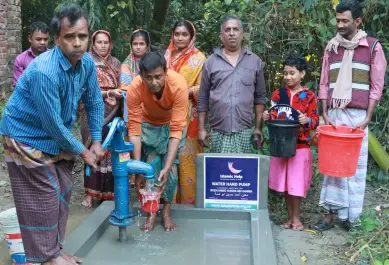
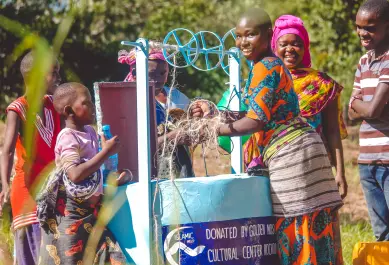
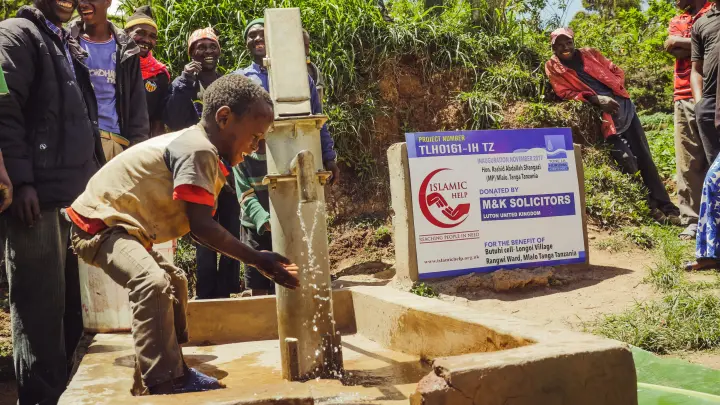
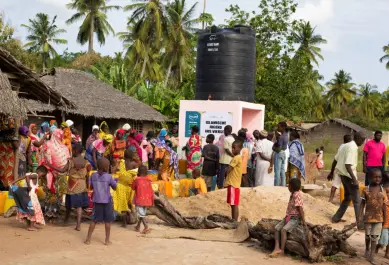
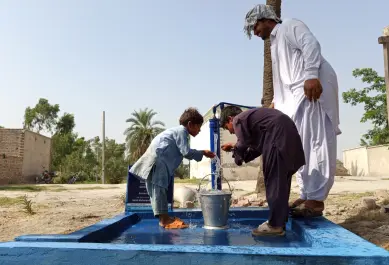
Islamic Help’s water projects directly address this challenge. By installing hand pumps, wells, and water systems in communities without safe access to water, exposure to contaminated water is dramatically reduced. Families can drink safely, cook hygienically, and maintain basic cleanliness.

The impact on community health is immediate. Clinics report fewer preventable illnesses, parents spend less on medical treatment, and children recover faster from common infections. Over time, improved health allows families to redirect resources toward education and livelihoods instead of survival.

Clean water does not merely treat symptoms of poverty; it removes one of its root causes.

How does water access improve education?

Education and water access are closely linked. In many water-scarce communities, children miss school to help collect water, sometimes walking several hours each day. Girls are particularly affected, often dropping out entirely once water collection becomes a daily responsibility.

When Islamic Help installs a nearby water source, school attendance improves almost immediately. Children return to class consistently, and families no longer have to choose between education and survival.

In schools, access to water and sanitation facilities creates safer learning environments. Students can wash their hands, drink clean water, and use toilets with dignity. Teachers report improved concentration and fewer illness-related absences.

By supporting water projects, Islamic Help helps remove one of the biggest hidden barriers to education in vulnerable communities.

£4500 for mosque or school 2k litre tank
179389286611 (2)
IMG_1796
lslamic Help (1 of 1)-3
584A8865

How does clean water restore dignity and safety?

Water scarcity affects dignity as much as health. Without nearby water, families are forced to use unsafe or exposed sources, often compromising privacy and personal safety.

Women and girls face particular risks when collecting water far from home, especially in conflict-affected or remote areas. Access to clean water close to home reduces exposure to harm and restores a sense of security.

Sanitation facilities linked to water access further protect dignity. Clean toilets and handwashing areas allow families and schoolchildren to maintain hygiene privately and confidently.

Islamic Help’s approach recognises that dignity is not a secondary concern; it is central to human wellbeing. Water projects are designed not only to provide resources but to restore safety, respect, and normality in daily life.

How does water access strengthen livelihoods?

Water is essential for economic activity. Without reliable access, families struggle to grow food, care for livestock, or run small businesses.

When Islamic Help delivers water projects, communities often begin to see economic benefits alongside health improvements. Families cultivate small gardens, raise animals more effectively, and reduce spending on purchased water.

Time saved from water collection can be redirected toward income-generating work. Women, in particular, use this time to start small enterprises or improve household productivity.

Over time, access to water helps communities move from dependency to self-reliance. This shift is critical for long-term resilience and aligns with Islamic Help’s commitment to sustainable development rather than short-term relief alone.

How does Islamic Help deliver community-level water impact?

Islamic Help delivers water projects through careful planning and local collaboration. Each project begins with assessing community need, water availability, and long-term feasibility.

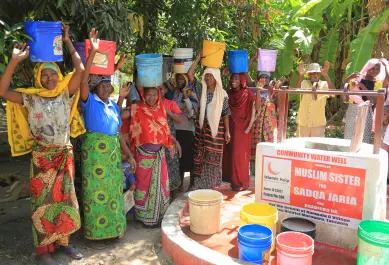
Solutions range from household hand pumps to community wells, school water systems, emergency water delivery, and, where necessary, large-scale infrastructure. The choice of project depends on population size, geography, and urgency.

Community involvement is central. Islamic Help works with local teams to ensure communities understand how to use and maintain water sources, helping protect longevity.

Donors benefit from transparency. For water projects paid in full, Islamic Help guarantees delivery and provides a full PDF feedback report with images, allowing donors to see the impact of their charity and the communities served.

Why clean water creates long-term change

Clean water is not an isolated intervention. It enables progress across multiple areas of life at once.

Health improves, education becomes accessible, dignity is restored, and livelihoods are strengthened. These changes reinforce each other, creating a cycle of stability and growth.

This is why water projects are considered among the most effective forms of humanitarian support. They lay foundations for communities to rebuild and thrive.

Through its Water & Sanitation programme, Islamic Help focuses on delivering water solutions that create this kind of lasting, interconnected impact, turning charity into opportunity.

FAQs:

  • How does clean water reduce disease in communities?
    Clean water reduces exposure to bacteria and parasites that cause waterborne illnesses. When families can drink, cook, and wash using safe water, rates of diarrhoea, cholera, and other preventable diseases decline significantly, improving overall community health and reducing pressure on local healthcare services.
  • Why does water access improve school attendance?
    When water is available nearby, children no longer miss school to collect it. Schools with water and sanitation facilities also experience fewer illness-related absences. This allows children, especially girls, to attend class consistently, focus on learning, and complete their education without interruption.
  • How does water access help women and girls the most?
    Women and girls are often responsible for water collection, spending hours each day walking long distances to collect it. Nearby water sources save time, reduce physical strain, and improve safety. This allows girls to stay in school and women to care for families or pursue income-generating activities.
  • Does clean water improve livelihoods and health?
    Yes. Reliable access to water supports small-scale farming, livestock care, and household businesses. Families spend less money buying water and less time collecting it, allowing them to improve productivity and strengthen their economic stability over time.
  • How does Islamic Help ensure that water projects benefit communities in the long term?
    Islamic Help designs water projects with sustainability in mind. This includes appropriate site selection, community involvement, and maintenance planning. By working with local teams and providing training, water sources remain functional and continue benefiting communities for years.

updates that matter

Empower my Inbox

Volunteer

Vivamus lacinia lacus vel neque egestas, vitae volutpat purus dapibus. Nullam nec ultricies erat. Etiam ac urna metus.

    Updates that matter

    Join our mailing list for events, urgent appeals, and project updates from the communities you help empower.

      We use cookies to make your visit even better

      They help us understand how our website is used so we can improve your experience and share the stories and projects you care about most. All data is anonymous, and your privacy matters to us.
      We use cookies to make your visit even better