Healthcare on the Frontlines: Providing Medical Care in Refugee Camps
Latest News

Healthcare on the Frontlines: Providing Medical Care in Refugee Camps

Explore how sustained frontline healthcare in refugee camps saves lives, tackles overcrowding and limited infrastructure, and ensures displaced communities receive consistent, life-saving medical support.

For people forced to flee conflict and persecution, displacement does not end the threat to life and health. Refugee camps are often overcrowded, under-resourced, and located in areas with limited infrastructure. In these environments, access to healthcare becomes a daily struggle, and untreated illnesses can quickly become life-threatening.

Islamic Help’s Medical & Healthcare Programme supports frontline healthcare services in refugee settings through long-term clinic-based care. By sustaining medical facilities in camps hosting displaced populations, the programme provides consistent access to treatment for people who would otherwise be left without care.

This article explores the healthcare challenges faced in refugee camps, why long-term medical clinics are essential, and how Islamic Help delivers life-saving, stabilising healthcare to displaced communities.
بِسْمِ ٱللَّهِ ٱلرَّحْمَٰنِ ٱلرَّحِيمِ

“The example of those who spend their wealth in the way of Allah is like a seed that sprouts into seven ears, each bearing one hundred grains.”

The health challenges of life in refugee camps

Refugee camps are designed as temporary solutions, yet many exist for years or even decades. Overcrowding, poor shelter, and limited sanitation create conditions where disease spreads easily, and health deteriorates quickly.

Residents face a wide range of medical needs, from respiratory infections and gastrointestinal illnesses to chronic conditions such as diabetes and hypertension. Pregnant women, children, and elderly people are especially vulnerable when healthcare services are limited or inconsistent.

Without reliable access to clinics, minor illnesses can escalate into serious conditions. Refugee health care, therefore, requires more than emergency response; it demands sustained, accessible medical services.

Why emergency aid alone is not enough

Initial humanitarian responses often focus on immediate survival needs, such as food, water, and shelter. While these are essential, healthcare cannot be treated as a short-term intervention in displacement settings.

Refugees frequently live in camps for extended periods, during which ongoing medical care is vital. Chronic illnesses require regular monitoring and medication. Children need vaccinations and treatment for common infections. Pregnant women require consistent prenatal and postnatal care.

Without permanent or semi-permanent healthcare facilities, these needs go unmet. Long-term medical clinics bridge this gap by providing continuity of care in environments where healthcare systems do not otherwise exist.

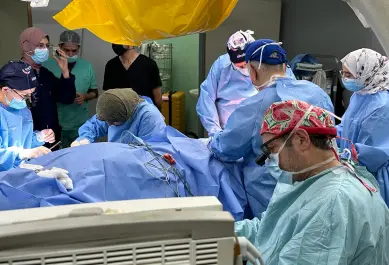
PHOTO-2024-10-01-16-35-37
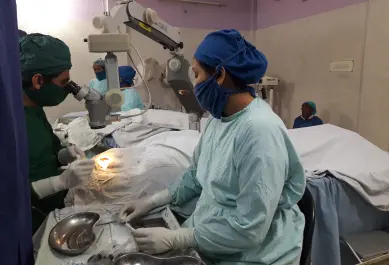
WhatsApp Image 2026-01-25 at 19.44.40
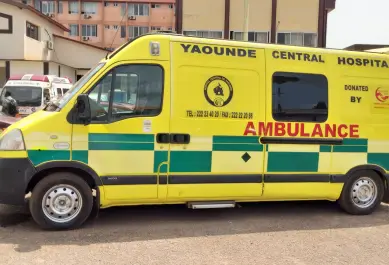
PHOTO-2024-03-28-17-49-35 (4)
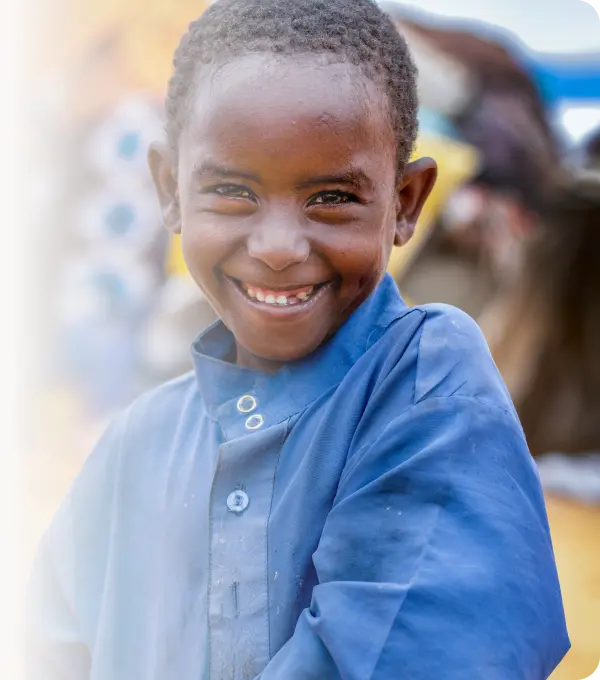
20180408_204834
٢٠١٨١١٢٢_١١١٥٠٥

Islamic Help’s approach to refugee healthcare

Islamic Help’s Medical & Healthcare Programme supports refugee healthcare through sustained clinic operations delivered in partnership with trusted organisations. These clinics provide free or low-cost medical services to displaced populations with limited access to other care.

Services typically include general medical consultations, treatment for common illnesses, basic pharmacy support, maternal and child healthcare, and referral pathways for severe cases requiring hospital treatment.

By operating clinics year-round, Islamic Help ensures that refugees have reliable access to care rather than sporadic emergency interventions. This continuity is essential for maintaining health and stability in camp environments.

The Rohingya refugee clinic model

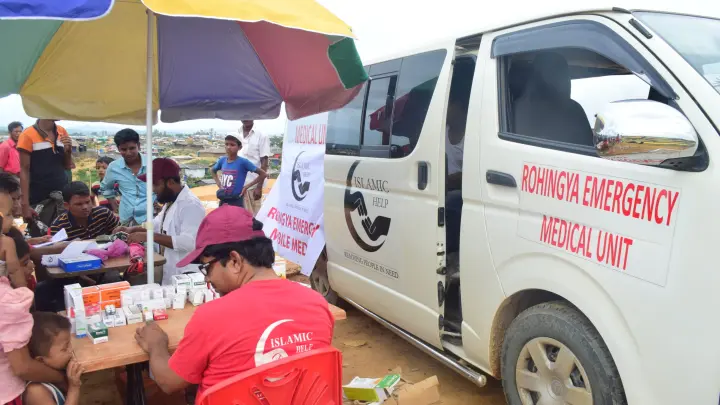
One of the most significant examples of Islamic Help’s refugee healthcare work is its support for a medical clinic serving Rohingya refugees. In camps hosting large displaced populations, access to healthcare is extremely limited, and humanitarian clinics often represent the only source of treatment.

The clinic, supported by Islamic Help’s Medical & Healthcare Programme, provides treatment to thousands of patients each year. Services address a wide range of needs, from childhood illnesses and infections to maternal health and chronic disease management.

This long-term clinic model demonstrates how sustained healthcare delivery can stabilise health outcomes even in the most challenging humanitarian contexts.

Treating both acute and chronic conditions

Healthcare in refugee camps must respond to immediate illnesses while also managing long-term health conditions. Many refugees arrive with untreated chronic diseases that worsen due to stress, poor nutrition, and limited access to medication.

Clinics supported by Islamic Help provide ongoing care for these conditions where possible, helping prevent complications and hospitalisations. Treating chronic illnesses reduces suffering and improves the quality of life for displaced individuals.

At the same time, clinics remain prepared to respond to acute outbreaks and seasonal illnesses, adapting services as needs within the camp population change.

Supporting mothers and children in displacement

Mothers and children make up a large proportion of refugee populations and face heightened health risks in camp settings. Limited nutrition, overcrowding, and restricted access to services increase the likelihood of illness and complications.

Islamic Help-supported clinics provide maternal and child health services, including prenatal care, child health consultations, and treatment for malnutrition and common infections. These services help protect life during critical stages of development.

Supporting maternal and child health in refugee camps also contributes to broader community stability, as healthy families are better able to cope with displacement.

Dignity and trust in refugee healthcare delivery

Healthcare delivery in refugee camps requires trust. Patients may have experienced trauma, loss, and fear, making respectful and compassionate care essential.

Islamic Help’s Medical & Healthcare Programme prioritises dignity and safeguarding in all refugee health services. Patients are treated with respect, confidentiality is maintained, and care is delivered without discrimination.

Communication and storytelling around refugee healthcare follow ethical guidelines, ensuring that individuals are not portrayed in ways that compromise dignity or safety.

Accountability and partnership in clinic operations

Operating healthcare clinics in refugee settings requires strong governance and reliable partnerships. Islamic Help works with experienced local and international partners to ensure clinics are managed professionally and responsibly.

Clinic operations are monitored through reporting and oversight to ensure services remain effective and aligned with healthcare standards. This accountability ensures donor confidence and supports continuous improvement in service delivery.

Partnerships with local healthcare workers also help build capacity and ensure clinics are culturally appropriate and responsive to real needs.

Why refugee healthcare remains a long-term priority

Displacement crises are rarely short-lived. For many refugees, camps become long-term homes, making sustained healthcare essential for survival and well-being.

Islamic Help’s Medical & Healthcare Programme recognises that healthcare in refugee camps is not optional or temporary. By investing in long-term clinics, the programme ensures displaced populations are not left without care once initial emergency responses fade.

Healthcare on the frontlines supports dignity, resilience, and hope for people who have already lost so much. Through consistent, ethical medical care, Islamic Help helps protect life and restore stability for refugee communities.

FAQs:

  • Why is healthcare in refugee camps especially challenging?
    Healthcare in refugee camps is challenging due to overcrowding, limited infrastructure, and prolonged displacement. Many camps lack permanent health facilities, making it difficult to treat illnesses, manage chronic conditions, and support vulnerable groups such as mothers and children.
  • How does Islamic Help support healthcare for refugees?
    Islamic Help supports refugee healthcare by funding and operating long-term medical clinics in partnership with trusted organisations. These clinics provide regular consultations, treatment for common illnesses, maternal and child health services, and referrals for severe medical cases.
  • What types of illnesses are treated in refugee clinics?
    Refugee clinics treat a wide range of conditions, including respiratory infections, gastrointestinal illnesses, malnutrition, and chronic diseases. Clinics also support maternal and child health by providing ongoing care for pregnant women and young children.
  • Why are long-term clinics important in refugee settings?
    Long-term clinics are essential because displacement often lasts for years. Refugees need consistent access to healthcare, not just emergency aid. Permanent or semi-permanent clinics provide continuity of care and help prevent minor illnesses from becoming life-threatening.
  • How does Islamic Help ensure ethical care in refugee clinics?
    Islamic Help ensures ethical care by working with qualified healthcare professionals, respecting patient dignity, and following safeguarding standards. Clinics are monitored through reporting and partnerships to maintain accountability, transparency, and trust in healthcare delivery.

updates that matter

Empower my Inbox

Volunteer

Vivamus lacinia lacus vel neque egestas, vitae volutpat purus dapibus. Nullam nec ultricies erat. Etiam ac urna metus.

    Updates that matter

    Join our mailing list for events, urgent appeals, and project updates from the communities you help empower.

      We use cookies to make your visit even better

      They help us understand how our website is used so we can improve your experience and share the stories and projects you care about most. All data is anonymous, and your privacy matters to us.
      We use cookies to make your visit even better