

Fighting Long-Term Hunger: How Food Aid Supports Families Beyond Emergencies
Latest News

Fighting Long-Term Hunger: How Food Aid Supports Families Beyond Emergencies

Explore how sustained food aid supports families facing chronic hunger, addressing poverty and rising costs while providing stability, dignity, and long-term relief beyond emergencies.

Hunger is often associated with sudden disasters, but for millions of families, food insecurity is a daily reality rather than a temporary crisis. Poverty, unemployment, rising food prices, and prolonged displacement can leave households struggling to secure enough food long after emergency headlines fade.

Islamic Help’s Food & Social Programme addresses this reality by supporting families facing long-term food insecurity. Alongside emergency food distributions, the programme delivers sustained food assistance that helps households cope with chronic hardship while protecting dignity and wellbeing.

This article explores how long-term hunger develops, why ongoing food support is essential, and how Islamic Help delivers responsible food aid that stabilises families beyond immediate emergencies.
بِسْمِ ٱللَّهِ ٱلرَّحْمَٰنِ ٱلرَّحِيمِ

“The example of those who spend their wealth in the way of Allah is like a seed that sprouts into seven ears, each bearing one hundred grains.”

Understanding long-term food insecurity

Long-term food insecurity occurs when families consistently lack reliable access to sufficient, nutritious food. Unlike short-term crises, this form of hunger develops gradually and can persist for years, driven by structural challenges such as poverty, conflict, and economic instability.

In many communities, wages do not keep pace with food prices, leaving households unable to meet basic needs. In displacement settings, families may be prohibited from working or lack opportunities to earn an income, increasing reliance on aid.

Long-term food insecurity weakens health, disrupts education, and deepens poverty. Addressing it requires consistent, reliable support rather than one-off interventions.

The impact of sustained hunger on families

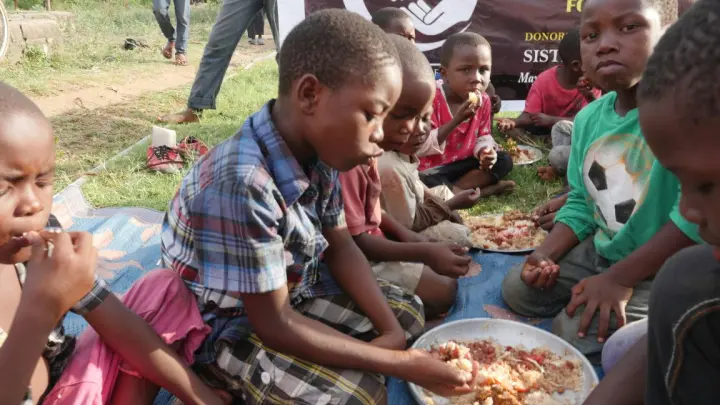
Prolonged hunger affects every aspect of family life. Adults may skip meals to feed children, while children experience impaired growth, weakened immunity, and difficulty concentrating in school.

Households facing chronic food shortages often resort to negative coping strategies, such as reducing meal quality, selling essential assets, or withdrawing children from education. These measures provide short-term relief but deepen vulnerability over time.

Without sustained food support, families remain trapped in cycles of hardship that undermine resilience and long-term stability.

IMG_3340
IH FP 3
Copy of IMG_9574
Copy of 192A0356
IMG_0285

Islamic Help’s approach to long-term food support

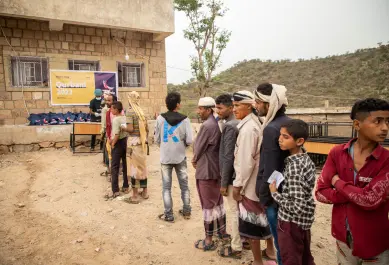
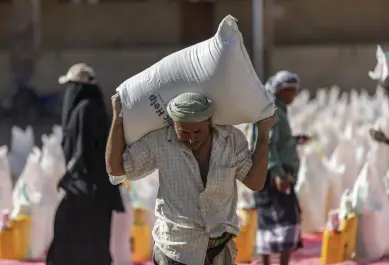
Islamic Help’s Food & Social Programme delivers long-term food assistance to households facing ongoing hardship. These interventions are designed to complement emergency aid by providing consistent nutritional support over extended periods.

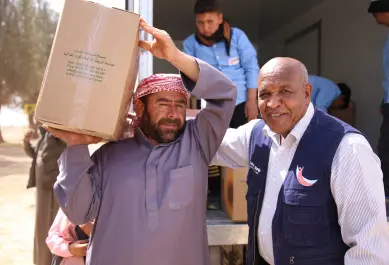
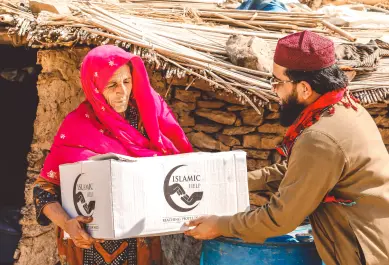
Long-term food projects may include regular food parcel distributions, targeted assistance for vulnerable groups, and community-based support mechanisms. By maintaining predictable support, families are better able to plan and manage daily needs.

Projects are delivered through local partners who understand community dynamics, ensuring aid reaches those most affected by chronic food insecurity.

Supporting vulnerable households with dignity

Long-term food support must balance effectiveness with respect. Islamic Help prioritises dignity in all food assistance, recognising that recipients may rely on support for extended periods.

Distributions are organised to minimise stigma and ensure fairness. Households receive assistance in ways that respect privacy and cultural norms, helping preserve self-respect even during prolonged hardship.

This approach reinforces trust between communities and aid providers, making support more accessible and sustainable.

Food insecurity in displacement and urban poverty

Long-term food insecurity is particularly prevalent among displaced populations and low-income urban communities. Refugees and internally displaced families often face legal and economic barriers to employment, increasing dependence on aid.

In urban settings, rising living costs and limited social protection systems can push working families into chronic hunger. Even those with some income may struggle to afford food consistently.

Islamic Help’s long-term food support addresses these contexts by targeting households most affected by persistent poverty and displacement-related vulnerability.

Protecting health through sustained nutrition

Consistent access to food is essential for maintaining health over time. Chronic undernutrition increases susceptibility to illness and complicates recovery from disease, particularly among children and elderly people.

Long-term food assistance helps stabilise nutritional intake, reducing health risks and supporting overall well-being. By preventing deterioration, food support also reduces pressure on healthcare systems in vulnerable communities.

Nutrition stability enables families to focus on education, work, and recovery rather than constant survival.

Social stability and community resilience

Food security is closely linked to social stability. When families can meet basic nutritional needs, stress levels decrease, and households are better able to cope with external shocks.

Long-term food aid contributes to community resilience by reducing competition for resources and preventing the escalation of hardship. Stable food access helps maintain social cohesion, particularly in densely populated or displacement-affected areas.

Islamic Help’s Food & Social Programme recognises food security as a cornerstone of broader social wellbeing.

Accountability in sustained food programmes

Delivering long-term food support requires careful oversight. Islamic Help maintains accountability through monitoring, reporting, and partner management to ensure aid remains effective and appropriate.

Regular assessments help determine ongoing need and adjust support as conditions change. Transparency with donors and communities helps maintain trust throughout prolonged interventions.

This accountability is essential for responsible humanitarian action and long-term programme success.

Integrating food support with social assistance

Long-term food aid is most effective when integrated with wider social support. Islamic Help’s Food & Social Programme aligns food assistance with other interventions that address vulnerability.

By coordinating food aid with social care, seasonal support, and community-based initiatives, the programme helps reduce dependency and support pathways toward stability.

This integrated approach recognises that hunger is not an isolated issue, but part of a broader pattern of social hardship.

Why long-term food aid matters

While emergency food aid saves lives, long-term food support sustains them. Families facing chronic hunger need reliable assistance that acknowledges the ongoing nature of their struggle.

Islamic Help’s Food & Social Programme provides this support through consistent, dignified food assistance. By addressing hunger beyond emergencies, the programme helps families maintain health, stability, and hope in the face of prolonged hardship.

Long-term food aid is not about dependency; it is about protecting dignity and enabling resilience when circumstances leave families with few alternatives.

FAQs:

  • What is the difference between emergency and long-term food aid?
    Emergency food aid addresses immediate hunger during crises, while long-term food aid supports families facing ongoing food insecurity. Sustained assistance helps households cope with chronic poverty or displacement when hunger is not caused by a single, short-term emergency.
  • Who needs long-term food support the most?
    Families affected by prolonged poverty, displacement, unemployment, or rising food costs often require long-term food support. These households may struggle to consistently access sufficient food, making ongoing assistance essential to protect their health and stability.
  • How does Islamic Help deliver long-term food assistance?
    Islamic Help delivers long-term food assistance through regular food distributions and targeted support for vulnerable households. Projects are implemented with local partners to ensure aid reaches those most affected by chronic food insecurity in a responsible, dignified manner.
  • Does long-term food aid create dependency?
    When delivered responsibly, long-term food aid does not create dependency. Instead, it stabilises households during prolonged hardship, allowing families to meet basic needs and reduce harmful coping strategies while broader recovery or support options are explored.
  • How is accountability maintained in long-term food programmes?
    Islamic Help maintains accountability through monitoring, reporting, and ongoing assessments. This oversight ensures food assistance remains appropriate, effective, and transparent, building trust with donors and communities throughout sustained interventions.

updates that matter

Empower my Inbox

Volunteer

Vivamus lacinia lacus vel neque egestas, vitae volutpat purus dapibus. Nullam nec ultricies erat. Etiam ac urna metus.

    Updates that matter

    Join our mailing list for events, urgent appeals, and project updates from the communities you help empower.

      We use cookies to make your visit even better

      They help us understand how our website is used so we can improve your experience and share the stories and projects you care about most. All data is anonymous, and your privacy matters to us.
      We use cookies to make your visit even better