Examples of Sadaqah Jariyah Projects: Wells, Schools, Mosques and More
Latest News

Examples of Sadaqah Jariyah Projects: Wells, Schools, Mosques and More

Discover impactful Sadaqah Jariyah projects, from wells and mosques to schools and more, showing how continuous charity creates lasting benefits and rewards across generations.

Introduction: Turning Charity into a Lasting Legacy

One of the beautiful aspects of Sadaqah Jariyah (continuous charity) is the variety of ways you can fulfil it. Any project that provides an enduring benefit qualifies. If you’re looking for ideas or inspiration, here are seven impactful examples of Sadaqah Jariyah projects that Muslims around the world undertake. These examples range from traditional initiatives such as wells and mosques to modern, creative applications. Each illustrates how a single act of charity can ripple through time, benefiting countless lives and granting continuous rewards, insha’Allah.
بِسْمِ ٱللَّهِ ٱلرَّحْمَٰنِ ٱلرَّحِيمِ

“The example of those who spend their wealth in the way of Allah is like a seed that sprouts into seven ears, each bearing one hundred grains.”

1. Building a Water Well or Pump

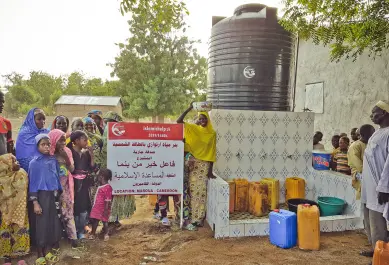
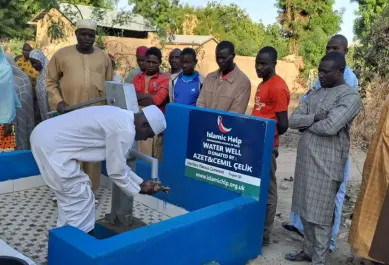
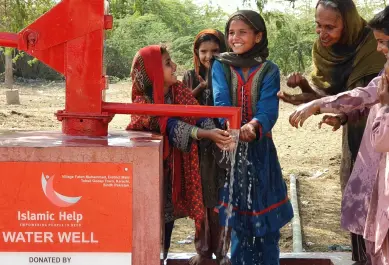
Providing clean water is among the most popular Sadaqah Jariyah projects, and for good reason. Water is life; by digging a water well or installing a hand pump, you ensure that families, even entire villages, have safe water for drinking, cooking, and hygiene. This one project can prevent water-borne illnesses, improve community health, and free children (especially girls) from the daily chore of fetching water over long distances. The impact is multi-generational: a well might serve a community for 10, 20, or more years. Islamic history and current charity efforts are replete with examples of wells built as acts of ongoing charity. Every drop of water drawn is a blessing for the donor. If you can’t fund a whole well, contributing to one or funding a water pump is also a great option. Many charities, including Islamic Help’s water projects, allow donors to sponsor wells, boreholes, or smaller water installations. It’s hard to think of a more literal “flowing” charity than a water project that keeps flowing with benefits!

2. Establishing or Supporting a School

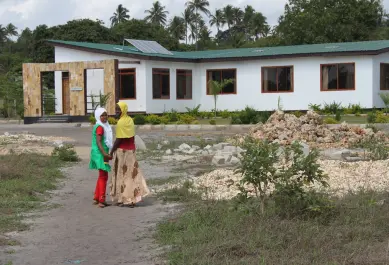
“Education is the passport to the future,” and by investing in a school, you provide knowledge that continues to yield benefits. Building a school in an underprivileged area, expanding an existing school, or even donating supplies and paying teacher salaries can all be Sadaqah Jariyah. Each cohort of students who pass through and learn to read, write, and improve their lives adds to the ongoing reward. For example, sponsoring a classroom or library in a school means that for years to come, children will use those facilities. An educated individual may go on to help their family, contribute positively to society, and even teach others, setting off a domino effect of benefits initiated by the charity. If building a school isn’t feasible on your own, you could contribute to educational trusts or scholarship funds that continue to benefit new students each year. Knowledge is a Sadaqah Jariyah that the Prophet (PBUH) highly encouraged; teaching beneficial knowledge is mentioned right alongside ongoing charity in the

hadith about deeds that outlast us.

Eco Mosque Tanzania (12)
MP 2019 Eco Village 9
lslamic Help (2 of 2)
photo_2023-02-02_16-00-04
Well 1a

3. Building or Donating to a Mosque

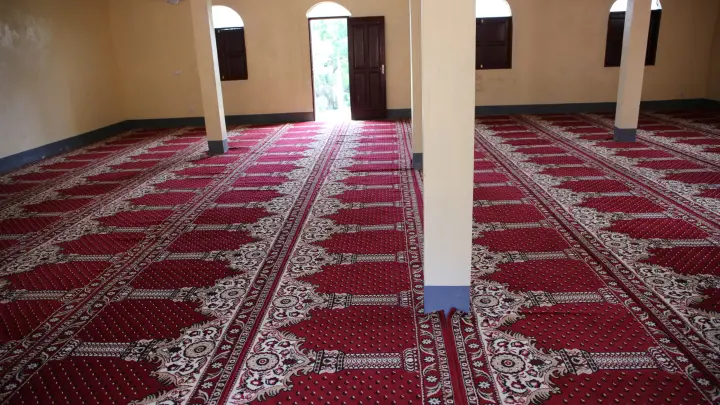
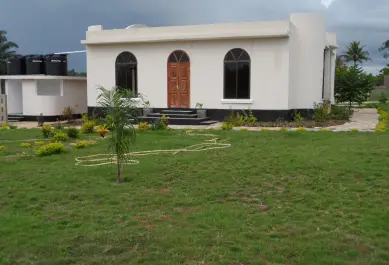
A mosque (Masjid) is at the heart of Muslim community life. Building a mosque is a classic form of Sadaqah Jariyah. Every prayer offered, every Quran recited, every moment of worship or learning that happens in that mosque becomes a source of reward for whoever contributed to its establishment. The Prophet (PBUH)  said, “Whoever builds a mosque for Allah, Allah will build for him a house in Paradise.” Even if you can’t fund an entire mosque, you can donate to its construction or upkeep (some people donate things like carpets, prayer mats, copies of the Qur’an, etc., all of which count as ongoing charity as they’ll be used over and over). In addition to mosques, building other religious or community structures, like an Islamic centre, community hall, or madrasa, also qualifies.

For example, one of the companions, Uthman (ra), famously bought and expanded a well and also helped develop the Prophet’s mosque in Madinah, both acts for which he sought ongoing reward. Today, many donors choose to build a small mosque in a village without one, thereby gifting the community a place of worship for generations.

4. Planting Fruit Trees or Developing Agriculture

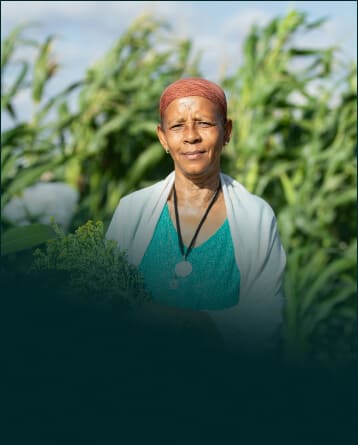
Planting trees is a Sunnah (tradition) that benefits the environment and communities. Fruit trees in particular are a wonderful Sadaqah Jariyah: they provide food year after year, shade, and improve air quality. Imagine an orchard of fruit trees you helped plant – for decades, people (and even animals) could eat those fruits. Each time someone plucks an apple, mango, or olive, you gain a reward. Even after you depart this world, the trees you planted can continue to nourish others. Similarly, supporting farmers with seeds, tools, or training can be an ongoing form of charity if it leads to sustained harvests. One innovative approach is to establish a community garden or farm, with proceeds supporting charity or sustaining the community in the long term. As long as the garden continues to yield produce, the donors share in the barakah (blessing). The Prophet (PBUH) also mentioned that if any person or creature benefits from a plant or tree you sow, it counts as charity for you, an encouraging thought for those who love nature-based projects.

5. Sponsoring an Orphan or Child Long-Term

While giving money to an orphan’s immediate needs is regular Sadaqah, sponsoring an orphan over many years can be considered Sadaqah Jariyah because it’s an investment in that child’s future. By covering their education, healthcare, and living expenses consistently, you’re enabling that child to become a healthy, educated adult who can break the cycle of poverty. The reward is ongoing as the child grows. Many sponsorship programs provide updates as the orphan progresses in school, etc., so you tangibly see the long-term impact. Once that child becomes self-reliant and perhaps even helps others, the chain of benefit continues. (Note: Some scholars might classify orphan sponsorship as recurring Sadaqah rather than Jariyah since the money is spent continuously, but the effect of lifting an orphan into a better life has lifelong  repercussions, which is why we include it as an “ongoing” impact charity.) Prophet Muhammad (PBUH) highly praised care for orphans, saying the one who cares for an orphan will be with him in Paradise like two adjacent fingers, a strong incentive indeed.

6. Providing Medical Care Facilities or Equipment

Health-focused projects save lives year after year. Donating something like a clinic or hospital wing, a dialysis machine, an ambulance, or even a stock of medical equipment can be Sadaqah Jariyah. For example, if you fund a clinic in a rural area, it might treat hundreds of patients each month. Each treatment, each life saved, each illness cured can count as an ongoing reward. On a smaller scale, donating wheelchairs, medical beds, or even eyeglasses that many patients can reuse is continuous charity as long as people keep using them. Some people donate to build or maintain shelters for the elderly or disabled – as these facilities continue operating, they continually benefit residents. In a real-world case, there are charitable hospitals in some countries that were established decades ago with donor funds and continue to provide free or low-cost care today, a living Sadaqah Jariyah. Consider the health needs in society that have a lasting impact, such as clean water and sanitation (to prevent disease), maternal health clinics (for safe childbirth), or mobile clinics that regularly serve remote areas. All these can be framed as ongoing charity projects.

7. Spreading Knowledge – Books, Media, and Online Resources

In the digital age, sharing beneficial knowledge widely is easier than ever, and it can be a tremendous Sadaqah Jariyah. Examples include printing and distributing Qur’ans or Islamic books (every time someone reads and benefits, you gain a reward), funding translations of critical texts, or supporting Da’wah materials that introduce Islam to others. Moreover, creating a free educational website, Islamic lecture videos, or a smartphone app (like one for learning the Quran or daily duas) can count as continuous charity. As long as people continue to use those resources to gain guidance or improve their lives, it’s an ongoing charity for the creator and supporters. Even something like setting up a YouTube channel with beneficial content or an online course that remains accessible can fit this category. A historical example: many classical Islamic scholars wrote books centuries ago, and to this day, students of knowledge read those books; the authors earn ongoing reward. You might not author a famous book, but you can

finance a knowledge project. For instance, donating computers to a community centre for children’s education will have lasting effects as they are used daily to teach. The possibilities are endless; it could even be as simple as recording yourself teaching a skill and uploading it for free, so others can learn for years to come.

Conclusion: Choose Your Legacy Project

These seven examples are just a starting point. The beauty of Sadaqah Jariyah is that you can be creative and passionate about the cause you choose. Whether it’s water, education, religion, environment, healthcare, children, or knowledge, find something that resonates with you and think of how to turn it into a long-term charity.


It’s also perfectly fine (and often wise) to work with established charities (like Islamic Help) to implement these projects, as they have experience and local infrastructure. You could, for example, fund a specific well through a trusted charity or contribute to a mosque construction fund. What matters is the niyyah (intention) and ensuring the project is sustainable.

By engaging in any of these Sadaqah Jariyah projects, you’re setting up a Sadaqah Jariyah account for the hereafter. Every drop of water, every child taught, every prayer offered, every fruit harvested, every patient healed, every orphan cared for, and every bit of knowledge spread can become a source of ongoing blessings for you.

May Allah accept our efforts and guide us to opportunities to continuously benefit others. If you’re ready to start, check out Islamic Help’s Sadaqah Jariyah page for current projects and guidance on making your charity count for years to come.

FAQs:

  • Q: Can I participate in Sadaqah Jariyah projects even if I cannot afford a whole project myself?
    A: Absolutely. You can contribute to any project in part. Most charitable organisations pool donations for large Sadaqah Jariyah initiatives. For example, you could give £100 toward a community well that costs £1,000 – your share of the reward will be proportionate, and you’ll still, insha’Allah, get ongoing reward for every benefit thatthe well provides.
  • Q: How do I ensure a project truly becomes Sadaqah Jariyah and stays sustainable?
    A: Good question. The key is planning and maintenance. If you’re doing a project independently, consider its upkeep (e.g., who will maintain a well or a school after it’s built?). Often, partnering with local communities or a reliable charity ensures the project remains functional. If donating through an organisation, check that they have maintenance plans in place. For example, Islamic Help provides feedback reports; you might receive updates confirming that the well you funded is operational and well-maintained. Choosing projects with built-in sustainability (like training locals to maintain the infrastructure) will ensure your Sadaqah Jariyah truly endures.
  • Q: Are there modern or lesser-known forms of Sadaqah Jariyah I can consider?
    A: Yes, beyond the common examples listed, there are modern twists: setting up a scholarship fund in a needed field, funding research that could cure diseases (imagine the continuous benefit of a medical breakthrough), supporting solar energy projects in poor villages (providing power for years), or building a website/app that helps people (like a free mental health counseling chat). Even contributing to infrastructure such as roads, bridges, or public toilets in impoverished areas can be an ongoing act of charity, as they serve people daily. The concept of Sadaqah Jariyah is broad; any project of lasting benefit counts, so feel free to think outside the box.

updates that matter

Empower my Inbox

Volunteer

Vivamus lacinia lacus vel neque egestas, vitae volutpat purus dapibus. Nullam nec ultricies erat. Etiam ac urna metus.

    Updates that matter

    Join our mailing list for events, urgent appeals, and project updates from the communities you help empower.

      We use cookies to make your visit even better

      They help us understand how our website is used so we can improve your experience and share the stories and projects you care about most. All data is anonymous, and your privacy matters to us.
      We use cookies to make your visit even better