Ethical Sadaqah Qurbani in Islam
Latest News

Ethical Sadaqah Qurbani in Islam

Learn how ethical Sadaqah Qurbani ensures humane sacrifice, Islamic compliance, and dignified food distribution, giving donors confidence their charity is delivered with care and respect.

Ethics are central to Islamic giving. When charity involves sacrifice, donors want to feel sure it is done with mercy, care, and respect. That is what ethical Sadaqah Qurbani is about.

This guide explains how animal welfare in Islam works, what makes a sacrifice humane, and what Islamic compliance Qurbani looks like in practice. It also explains why dignity matters for the people receiving food, and how a trusted charity can deliver this correctly.


بِسْمِ ٱللَّهِ ٱلرَّحْمَٰنِ ٱلرَّحِيمِ

“The example of those who spend their wealth in the way of Allah is like a seed that sprouts into seven ears, each bearing one hundred grains.”

Why ethical practice matters

Sadaqah Qurbani is not just a donation. It is an act of sacrifice done for the sake of Allah. Like all acts of worship, it needs the right intention and the right method.

Ethical practice matters because it protects three things:

  • The sincerity of the worship (the act is done properly)
  • The well-being of the animal (no cruelty, no neglect)
  • The dignity in charity (people receive help respectfully)

This is why Muslims care about both “what happens” and “how it happens”.

Sadaqah Qurbani is a charitable sacrifice in Islam

A charitable sacrifice in Islam is a sacrifice made to benefit others. It is given voluntarily, as part of the wider acts of charity encouraged in Islam.

It is also different from Qurbani, linked to Eid al-Adha. Eid Qurbani happens during the days of Eid al-Adha in the days of Dhul Hijjah. Sadaqah Qurbani can be offered at other times as well, so people can be helped when the need is high.

Many adult Muslims choose it because it turns intention into direct support. In many places, families rarely eat meat. When they do, it can improve nutrition and bring relief.

Image Style 03 _ 3_2 (Scroll cards) (1)
Image Style 03 _ 3_2 (Scroll cards) (2)
Image Style 03 _ 3_2 (Scroll cards)
Image Style 01 _ 16_9 (2)
Media Cards

Animal welfare in Islam: the basic rule

Islam teaches kindness to animals. Animal welfare Islam is not a modern add-on. It is part of both faith and Islamic law.

A sacrificial animal must be treated well. That includes before, during, and after the sacrifice.

Key expectations of animal welfare in Islam include:

  • The sacrificial animal must be healthy
  • It must be fed, watered and cared for properly
  • It must not be frightened or mistreated
  • It must not be harmed for no reason

These are not “nice to have” standards. They are part of religious responsibility.

What makes a humane sacrifice in Islam

A valid sacrifice must be humane. Humane animal sacrifice reduces distress and prevents cruelty. This is what people often mean when they ask about a humane sacrifice Islam approach.

A humane sacrifice includes:

  • Calm handling of the animal
  • A swift, skilled method to perform the sacrifice
  • Clear intention before the act begins
  • No causing pain beyond what is unavoidable

This is the foundation of Islamic animal sacrifice done correctly. It also applies to qurbani animals used for charitable giving.

Islamic guidelines for sacrifice and Shariah compliance

Many donors ask what “compliant” means. In simple terms, Islamic guidelines for sacrifice set the rules that make the sacrifice valid.

A Shariah-compliant Qurbani should include:

  • A suitable animal (one of the accepted qurbani animals)
  • Proper handling and humane treatment
  • A correct method of slaughter according to Islamic rules
  • A clear intention to offer a sacrifice for charity

When these standards are followed, the sacrifice meets Islamic compliance Qurbani expectations and aligns with Islamic guidelines.

This is not about being technical. It is about keeping worship clean, merciful, and correct.

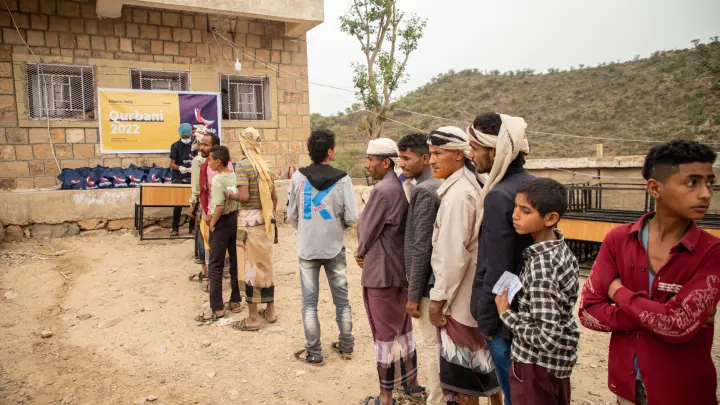
Meat distribution ethics: what happens after the sacrifice

Ethics do not stop when the sacrifice ends. Meat distribution ethics matter just as much because people are receiving the outcome of worship.

Ethical distribution means:

  • Meat is distributed safely and quickly
  • Families receive suitable portions fairly
  • The process avoids humiliation or chaos
  • The focus stays on need, not visibility

For many households, donated meat products are rare. This is why care in distribution matters. Done well, it supports nutrition and preserves dignity.

This is also where ethical meat distribution protects trust. If distribution is careless, donors lose confidence and communities feel disrespected.

Dignity in charity: a core Islamic value

Islamic giving must protect people’s dignity. It is not only “help”. It is a relationship of mercy and respect.

That means:

  • Avoiding language or systems that shame recipients
  • Distributing food in an orderly, respectful way
  • Prioritising the most vulnerable first
  • Treating recipients as honoured guests, not “cases”

This is a practical expression of Islamic teachings. It also keeps charity aligned with worship.

What a responsible Islamic charity should do

A responsible Islamic charity does more than “deliver a service”. It protects worship, welfare, and dignity.

A charity should be able to show:

  • Clear standards based on Islamic guidelines
  • Good animal welfare checks
  • Skilled teams that know how to perform the sacrifice correctly
  • Strong safeguarding for fair distribution
  • A commitment to Islamic charity transparency

These are also the signs of a charity you can trust.

Islamic Help and ethical delivery in the UK

For UK donors, trust matters. People want to know their worship has been honoured and their charity has a real impact.

Islamic Help is an Islamic charity in the UK that delivers Sadaqah Qurbani with clear ethical standards. Many donors search for Islamic Help Sadaqah Qurbani because they want both impact and reassurance.

As an ethical Islamic charity, Islamic Help focuses on:

  • Humane treatment of the animal
  • Delivery aligned with Islamic rules
  • Fair distribution with dignity
  • Clear accountability and feedback

This supports the trust in Islamic charity expectations and strengthens donor confidence.

Ethical charitable giving in Islam: a faith you can feel confident in

Ethics are not separate from worship. They are part of worship. When the sacrifice is humane, compliant, and distributed fairly, it becomes a clean form of worship and a real benefit for others.

This is the heart of ethical charitable giving, Islam and the wider idea of sadaqah qurbani ethics:

  • Worship is done correctly
  • Animals are treated with mercy
  • People receive food with dignity
  • Donors can give with peace of mind

During Eid al-Adha, sacrifice is connected to a major tradition and often discussed alongside the pillar of Islam. Outside that period, voluntary charitable sacrifice still carries meaning when it follows the same core values: mercy, sincerity, and responsibility.

To donate, donors can visit:

https://www.islamichelp.org.uk/give-sadaqah-qurbani

FAQs:

  • Why is ethical practice important in Sadaqah Qurbani?
    Ethical practice ensures Sadaqah Qurbani reflects Islamic values of mercy and responsibility. It protects animal welfare, preserves donor intention, and ensures fair distribution. When carried out ethically, charitable sacrifice remains a valid act of worship while providing meaningful support to people in need with dignity.
  • How does Islam guide animal welfare during sacrifice?
    Islam teaches kindness toward animals and forbids unnecessary harm. Animals must be healthy, treated calmly, and sacrificed humanely. These guidelines ensure respect for life and help maintain the spiritual validity of the sacrifice while reflecting Islamic teachings on mercy and accountability.
  • What makes a sacrifice humane in Islam?
    A humane sacrifice in Islam minimises discomfort and avoids cruelty. It involves handling the animal gently, using approved methods, and completing the sacrifice efficiently. This approach reflects Islamic principles of mercy and responsibility, ensuring the act of sacrifice remains dignified and ethically sound.
  • Does ethical Sadaqah Qurbani affect the reward?
    Yes, ethical practice supports sincerity and strengthens the reward of Sadaqah Qurbani. When the sacrifice follows Islamic guidance, protects animal welfare, and reaches people in need respectfully, it reflects the spirit of worship and compassion that Islam encourages in charitable giving.
  • Is animal welfare monitored throughout the Sadaqah Qurbani process?
    Animal welfare is monitored throughout the Sadaqah Qurbani process. This includes sourcing healthy animals, ensuring proper care, humane handling during sacrifice, and respectful treatment afterwards. Continuous oversight helps maintain ethical standards and ensures Islamic guidelines are followed from start to finish.
  • How does Islamic Help ensure ethical standards are followed?
    Islamic Help ensures ethical standards by working through trained local teams that closely follow Islamic guidelines. Field offices oversee animal care, sacrifice methods, and distribution practices. This hands-on supervision helps maintain Shariah compliance, transparency, and accountability throughout the Sadaqah Qurbani process.
  • How does Islamic Help provide transparency around ethical delivery?
    Islamic Help provides transparency by offering donors confirmation and feedback after the sacrifice is completed. This documentation reassures donors that ethical and Islamic standards were upheld, while helping them feel confident that their Sadaqah Qurbani was delivered responsibly and with care.
  • Why should I trust Islamic Help for ethical Sadaqah Qurbani?
    Islamic Help is a trusted Islamic charity with extensive humanitarian experience. The organisation follows strict ethical and Shariah-compliant practices, works through local teams, and prioritises dignity and accountability. This allows donors to give confidently, knowing their charity is handled responsibly.

updates that matter

Empower my Inbox

Volunteer

Vivamus lacinia lacus vel neque egestas, vitae volutpat purus dapibus. Nullam nec ultricies erat. Etiam ac urna metus.

    Updates that matter

    Join our mailing list for events, urgent appeals, and project updates from the communities you help empower.

      We use cookies to make your visit even better

      They help us understand how our website is used so we can improve your experience and share the stories and projects you care about most. All data is anonymous, and your privacy matters to us.
      We use cookies to make your visit even better