Emergency Water Aid: How Water Saves Lives in Crisis
Latest News

Emergency Water Aid: How Water Saves Lives in Crisis

Learn how emergency water aid delivers urgent, life-saving clean water in crises, protecting vulnerable families facing conflict, displacement, floods, and drought when access disappears overnight.

In emergencies, access to clean water can disappear overnight. Conflict, displacement, floods, and drought leave families without safe drinking water, placing lives at immediate risk. In these situations, water becomes the first and most urgent humanitarian need.

Through its Emergency Water Aid programmes, Islamic Help delivers urgent clean water to families affected by crisis, including in Gaza, Yemen, and refugee camps in Bangladesh. This guide explains how emergency water aid works, why it is vital in Islam, and how Islamic Help turns donations into immediate, life-saving relief when people need it most.
بِسْمِ ٱللَّهِ ٱلرَّحْمَٰنِ ٱلرَّحِيمِ

“The example of those who spend their wealth in the way of Allah is like a seed that sprouts into seven ears, each bearing one hundred grains.”

Why is water the first priority in emergencies?

Water is essential for survival. While humans can survive several days without food, the body can only function for a short time without water. In emergency situations, dehydration can become fatal within hours, especially for children, the elderly, and the sick.

Beyond thirst, lack of clean water quickly leads to disease. In crowded conditions such as refugee camps or temporary shelters, unsafe water spreads diarrhoea, cholera, and other infections at alarming rates. These illnesses often claim more lives than the initial disaster itself.

This is why Islamic Help prioritises water in emergency response. By restoring access to safe water as quickly as possible, further loss of life can be prevented, and communities stabilised before additional health crises take hold.

What situations require emergency water aid?

Emergency water aid is required whenever normal water systems collapse. This commonly occurs during armed conflict, natural disasters, and prolonged displacement.

In conflict zones such as Gaza, water infrastructure is often damaged or rendered unusable due to power outages and bombardment. Families may have no access to running water for extended periods. In these conditions, emergency water delivery becomes essential for survival.

In countries like Yemen, years of conflict have destroyed water networks, forcing communities to rely on water trucking or unsafe sources. Drought-affected regions also face emergencies when wells dry up, and livestock and families compete for limited water.

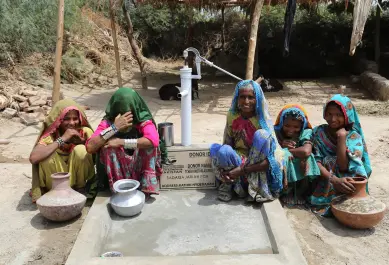
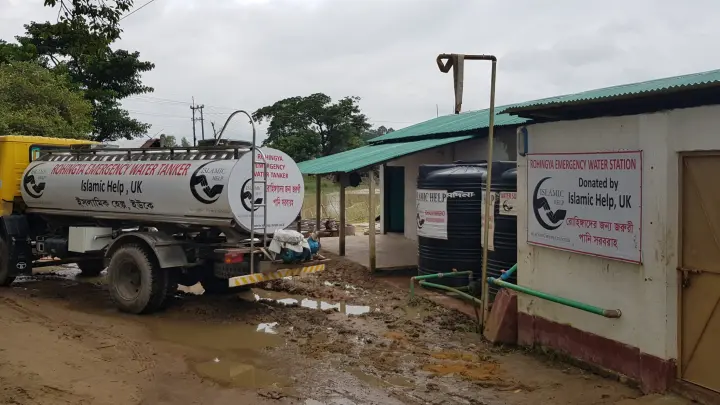
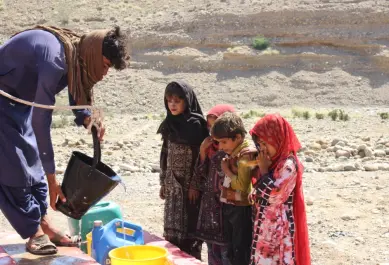
Refugee camps, including those housing Rohingya refugees in Bangladesh, often depend entirely on emergency water systems due to overcrowding and limited natural resources. Islamic Help responds in all of these contexts.

IMG_0323
WhatsApp Image 2022-12-01 at 12.03.49
IMG_9724
584A8865
lslamic Help (1 of 2)

How does Islamic Help deliver emergency water aid?

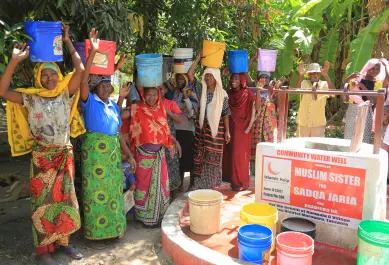
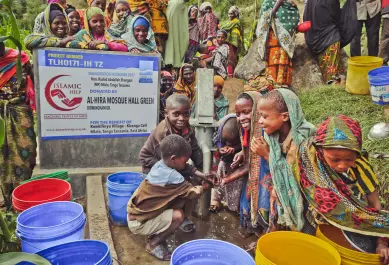
Islamic Help delivers emergency water aid through several practical methods, depending on the situation on the ground. The most common approach is water trucking, where clean water is transported by tankers from safe sources directly to affected communities.

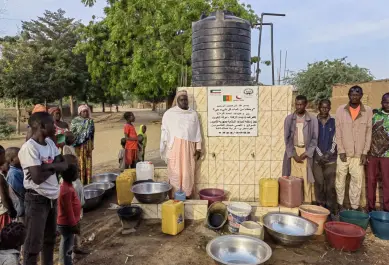
In camps and urban emergencies, Islamic Help installs temporary storage tanks or water bladders so families can collect water safely. Where possible, purification measures are used to ensure water quality meets health standards.

Emergency water delivery is often combined with hygiene support, helping prevent disease outbreaks. Islamic Help works with local partners and field teams to identify priority areas and ensure fair distribution, particularly for vulnerable households.

This rapid response helps stabilise communities while longer-term water solutions are planned or restored.

How does emergency water aid align with Islamic principles?

Islam places strong emphasis on saving life and removing harm. Providing water during emergencies directly fulfils these principles. When people are deprived of water through no fault of their own, helping them is an act of mercy and justice.

Emergency water aid reflects the Islamic responsibility to assist those facing hardship, particularly during times of crisis. Whether given as Sadaqah or Zakat (where eligible), water donations protect life and dignity.

Islamic Help delivers emergency water aid with these values at the centre, ensuring donations are used quickly, responsibly, and in line with Islamic guidelines.

What impact does emergency water aid have on communities?

The impact of emergency water aid is immediate and life-saving. Families gain access to safe drinking water, reducing dehydration and illness. Children and the elderly are protected from rapid declines in health.

Communities also experience psychological relief. Knowing that water will be available reduces fear and desperation, allowing families to focus on rebuilding and caring for one another.

By preventing secondary health crises, emergency water aid reduces pressure on already overwhelmed healthcare systems. This stabilisation is critical in the early stages of recovery and lays the groundwork for longer-term solutions.

How can you support Islamic Help’s emergency water response?

Donors can support Islamic Help’s emergency water response by giving to emergency water appeals or Most Needed funds. Donations are used where water is urgently required, allowing field teams to respond quickly as situations evolve.

Emergency water donations can be given as one-off contributions or as part of monthly giving. Regular support helps Islamic Help maintain readiness and respond immediately to new crises.

Through trusted delivery, transparency, and local partnerships, Islamic Help ensures that emergency water donations reach families when they need them most.

FAQs:

  • What is emergency water aid?
    Emergency water aid provides immediate access to clean drinking water during crises such as conflict, displacement, drought, or natural disasters. It includes water trucking, temporary storage systems, and purification measures to prevent dehydration and disease when normal water supplies are disrupted or destroyed.
  • How quickly does Islamic Help deliver emergency water?
    Islamic Help aims to deliver emergency water as quickly as access and safety conditions allow. In many situations, water delivery begins within days of a crisis. Local partnerships and field teams help ensure rapid assessment and timely distribution to the most affected communities.
  • Where does Islamic Help provide emergency water aid?
    Islamic Help delivers emergency water aid in crisis-affected regions, including Gaza, Yemen, and refugee camps in Bangladesh. Locations vary depending on current emergencies, conflict conditions, and humanitarian access, with priority given to communities facing immediate water shortages.
  • Can emergency water donations count as Zakat?
    Yes. Emergency water aid can be Zakat-eligible if it directly benefits people who qualify under Zakat categories, such as the poor, displaced people, or those in crisis. Islamic Help allocates Zakat carefully to ensure compliance with Islamic guidelines and donor intentions.
  • How does Islamic Help ensure emergency water is safe to drink?
    Islamic Help sources water from verified safe locations and uses purification methods where needed. Temporary storage tanks and controlled distribution help prevent contamination, ensuring families receive clean water that protects health and reduces the risk of waterborne disease.

updates that matter

Empower my Inbox

Volunteer

Vivamus lacinia lacus vel neque egestas, vitae volutpat purus dapibus. Nullam nec ultricies erat. Etiam ac urna metus.

    Updates that matter

    Join our mailing list for events, urgent appeals, and project updates from the communities you help empower.

      We use cookies to make your visit even better

      They help us understand how our website is used so we can improve your experience and share the stories and projects you care about most. All data is anonymous, and your privacy matters to us.
      We use cookies to make your visit even better