Emergency Food Aid: How Timely Support Protects Lives in Crisis
Latest News

Emergency Food Aid: How Timely Support Protects Lives in Crisis

Learn how emergency food aid delivers rapid, life-saving support in crises, protecting health, preserving dignity, and stabilising vulnerable families facing sudden and severe food shortages.

In humanitarian crises, access to food can disappear with devastating speed. Conflict, displacement, economic collapse, and environmental shocks interrupt supply chains and livelihoods, leaving families without the means to meet even their most basic needs. When food becomes scarce, hunger quickly turns into a life-threatening emergency.

Islamic Help’s Food & Social Programme responds to these situations by delivering emergency food aid to vulnerable individuals and families. By providing timely food assistance, the programme helps protect health, preserve dignity, and stabilise households during periods of extreme hardship.

This article explains why emergency food aid is critical in crises, how food insecurity develops in humanitarian settings, and how Islamic Help delivers responsible, dignified food support when people need it most.
بِسْمِ ٱللَّهِ ٱلرَّحْمَٰنِ ٱلرَّحِيمِ

“The example of those who spend their wealth in the way of Allah is like a seed that sprouts into seven ears, each bearing one hundred grains.”

Why food is a first priority in emergencies

Food is essential for survival, yet in crises it is often one of the first needs to go unmet. Conflict and displacement disrupt markets, destroy income sources, and restrict movement, making it difficult or impossible for families to access food.

Without sufficient nutrition, physical health deteriorates rapidly. Children, pregnant women, elderly people, and those with existing health conditions are particularly vulnerable to the effects of hunger. Prolonged food shortages increase the risk of malnutrition, illness, and long-term developmental harm.

Emergency food aid directly addresses these risks. By ensuring households have access to basic nutrition, food assistance helps prevent the immediate escalation of hunger into a wider health crisis.

How humanitarian crises create food insecurity

Food insecurity in humanitarian settings is rarely caused by a single factor. Armed conflict damages infrastructure and agriculture, inflation reduces purchasing power, and displacement separates families from land and livelihoods.

In urban crises, rising food prices can make basic staples unaffordable. In rural areas, drought or insecurity may destroy harvests or prevent planting altogether. Refugees and displaced families often rely entirely on external assistance, as they have no access to income or markets.

These overlapping pressures mean that food insecurity can develop quickly and persist long after the initial emergency. Emergency food aid provides a critical safety net during these periods of instability.

IMG_0202
IMG_8630
_DSC0467 (1)
Copy of 192A1526
DSC_0623

Islamic Help’s approach to emergency food aid

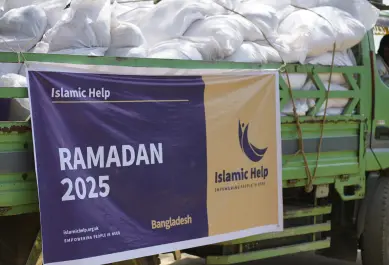
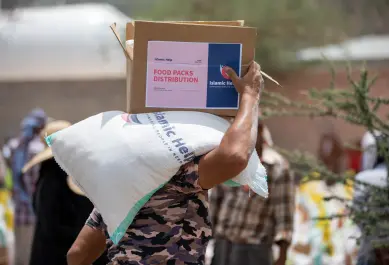
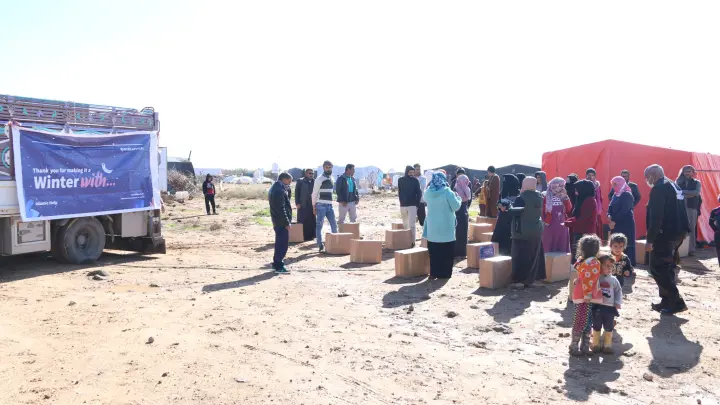
Islamic Help’s Food & Social Programme delivers emergency food aid through carefully planned and locally implemented interventions. Food distributions are designed to meet immediate needs while respecting the dignity of recipients.

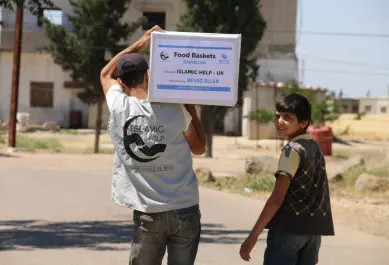
Emergency food assistance typically includes staple foods that support household nutrition for a defined period. In some contexts, cooked meal distributions are used where families lack access to cooking facilities or fuel.

Projects are delivered through trusted partners and local teams who understand community needs and conditions. This approach ensures food reaches those most in need and is distributed fairly and efficiently.

Reaching families affected by conflict and displacement

Conflict and displacement are among the most significant drivers of emergency food need. Families forced to flee their homes often leave behind livelihoods, savings, and access to markets.

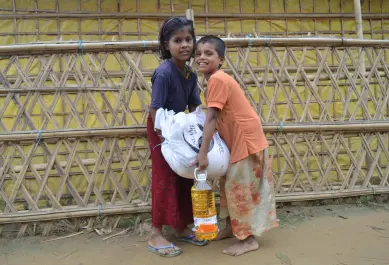
Islamic Help delivers emergency food aid to displaced populations living in camps, informal settlements, and host communities. Food distributions help stabilise households during the most uncertain stages of displacement, reducing the risk of malnutrition and further vulnerability.

By responding quickly, emergency food aid helps families cope with sudden loss while longer-term support options are assessed.

Protecting health through nutrition support

Food aid is closely linked to health outcomes. In crisis settings, hunger weakens immune systems and increases susceptibility to disease. Children experiencing food shortages are more likely to suffer from infections and developmental challenges.

Emergency food assistance helps protect physical health by ensuring families receive sufficient calories and basic nutrition. This support is particularly important for children and pregnant or breastfeeding women, whose nutritional needs are higher.

By addressing hunger early, food aid reduces pressure on healthcare systems and supports overall community wellbeing during emergencies.

Dignity and fairness in food distribution

Delivering food aid responsibly requires more than logistics. It requires respect for the dignity of those receiving assistance. Islamic Help’s Food & Social Programme prioritises ethical delivery and safeguarding in all food distributions.

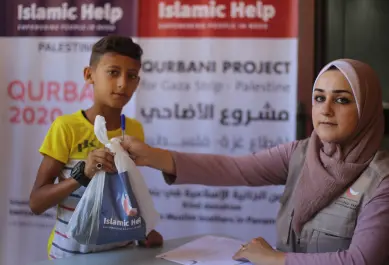
Distributions are organised to minimise stigma, ensure fairness, and protect vulnerable individuals. Beneficiaries are treated with respect, and assistance is provided without discrimination.

This dignity-first approach recognises that food aid is not simply a transaction, but a vital form of support during moments of profound hardship.

Accountability and transparency in emergency food aid

Trust is essential in humanitarian food programmes. Donors need confidence that assistance reaches intended beneficiaries, and communities need assurance that distributions are fair and consistent.

Islamic Help maintains accountability through project monitoring, reporting, and partner oversight. Emergency food aid projects are documented and reviewed to ensure effectiveness and integrity.

Clear communication about how food aid is delivered helps build trust and supports responsible humanitarian action.

Emergency food aid as part of a wider response

While emergency food aid is critical, it is not a standalone solution. Islamic Help’s Food & Social Programme integrates food assistance within a broader framework of social support and humanitarian response.

Emergency food distributions often serve as the first step in stabilising households, allowing families to address other urgent needs such as shelter, healthcare, and protection. This integrated approach recognises the interconnected nature of humanitarian crises.

By coordinating food aid with other forms of support, the programme helps reduce long-term vulnerability and supports pathways toward recovery.

Why timely food aid saves lives

In emergencies, timing is everything. Delayed food assistance can result in malnutrition, illness, and irreversible harm, particularly for children. Rapid response prevents these outcomes and preserves life.

Islamic Help’s Food & Social Programme prioritises timely delivery, working with local partners to respond as quickly as access and conditions allow. This responsiveness ensures food reaches families before hunger escalates into crisis.

Emergency food aid saves lives not only by providing nutrition but by restoring a measure of stability and hope in moments of extreme uncertainty.

Sustaining compassion during crisis

Humanitarian emergencies test the resilience of individuals and communities. Access to food during these times is a fundamental expression of compassion and solidarity.

Through its emergency food aid work, Islamic Help supports families facing the most difficult circumstances. By delivering food with dignity, accountability, and care, the Food & Social Programme helps protect lives and uphold human dignity during crises.

Emergency food aid remains a cornerstone of humanitarian response, ensuring that when everything else is uncertain, families are not left to face hunger alone.

FAQs:

  • Why is emergency food aid so important during crises?
    Emergency food aid is vital because crises can quickly disrupt access to food. Conflict, displacement, and economic shocks can leave families without income or markets. Timely food assistance prevents hunger from escalating into malnutrition, illness, and long-term harm, particularly for children and other vulnerable groups.
  • Who receives emergency food aid from Islamic Help?
    Emergency food aid is provided to vulnerable individuals and families affected by conflict, displacement, poverty, or sudden crises. Priority is given to households facing immediate food insecurity, including displaced families, children, elderly people, and others unable to meet basic nutritional needs.
  • What type of food support is provided in emergencies?
    Emergency food support typically includes staple food items designed to meet household nutritional needs for a limited period. In some situations, cooked meals are provided when families lack cooking facilities or fuel. Assistance is adapted to local conditions and needs.
  • How does Islamic Help ensure food aid is distributed fairly?
    Islamic Help works with trusted local partners to identify needs and organise distributions responsibly. Safeguarding and monitoring measures help ensure food reaches intended beneficiaries fairly, without discrimination, while protecting dignity and accountability throughout the process.
  • Is emergency food aid only short-term support?
    Emergency food aid addresses immediate hunger, but it is often part of a wider humanitarian response. By stabilising households during crises, food assistance creates space for longer-term support, helping families recover and reduce vulnerability over time.

updates that matter

Empower my Inbox

Volunteer

Vivamus lacinia lacus vel neque egestas, vitae volutpat purus dapibus. Nullam nec ultricies erat. Etiam ac urna metus.

    Updates that matter

    Join our mailing list for events, urgent appeals, and project updates from the communities you help empower.

      We use cookies to make your visit even better

      They help us understand how our website is used so we can improve your experience and share the stories and projects you care about most. All data is anonymous, and your privacy matters to us.
      We use cookies to make your visit even better