Building Clinics, Building Hope: How Health Infrastructure Transforms Communities
Latest News

Building Clinics, Building Hope: How Health Infrastructure Transforms Communities

Discover how sustainable health infrastructure strengthens crisis-affected communities, transforming emergency response into long-term recovery, resilience, and everyday access to dignified, reliable healthcare services.

In humanitarian crises, emergency medical care saves lives in the moment. Yet without a stable healthcare infrastructure, communities remain vulnerable long after the immediate danger passes. Clinics, hospitals, and trained healthcare workers form the foundation of recovery, resilience, and long-term well-being.

Islamic Help’s Medical & Healthcare Programme recognises that sustainable health infrastructure is essential for lasting impact. Alongside emergency responses, the programme supports the development and strengthening of clinics and healthcare facilities in crisis-affected and underserved communities. These investments ensure people can access care not only during emergencies, but every day.

This article explores why healthcare infrastructure matters in humanitarian settings, how clinics transform access to care, and how Islamic Help supports long-term, dignified, and accountable health systems.
بِسْمِ ٱللَّهِ ٱلرَّحْمَٰنِ ٱلرَّحِيمِ

“The example of those who spend their wealth in the way of Allah is like a seed that sprouts into seven ears, each bearing one hundred grains.”

Why is healthcare infrastructure critical in crises

Conflict, displacement, and poverty often damage or destroy existing healthcare systems. Hospitals may be bombed, clinics abandoned, and medical staff displaced. Even when buildings remain intact, shortages of equipment, medicines, and trained professionals can render facilities ineffective.

Without a reliable healthcare infrastructure, communities face preventable illness, untreated injuries, and worsening chronic conditions. Emergency aid can stabilise situations temporarily, but without permanent or semi-permanent facilities, health needs continue to go unmet.

Healthcare infrastructure provides continuity. Clinics allow early diagnosis, ongoing treatment, and preventive care, reducing pressure on hospitals and improving survival rates across entire populations.

The role of clinics in underserved communities

Clinics play a unique role in humanitarian and low-resource settings. They are often the first and only point of contact for medical care, particularly in rural areas, refugee camps, and conflict-affected regions.

A functioning clinic can provide general consultations, maternal and child health services, treatment for common illnesses, and referrals for complex cases. This accessibility allows health issues to be addressed early, preventing complications and reducing mortality.

For communities without reliable transport or financial resources, nearby clinics remove barriers to care. They also create trusted spaces where people can seek help without fear or stigma.

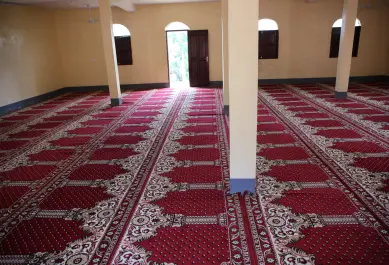
MP 2019 Eco Village 9
Eco Mosque Tanzania (12)
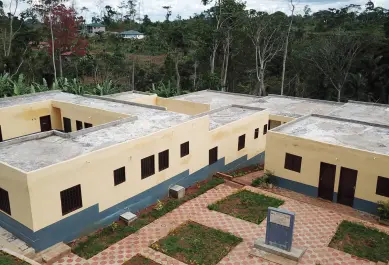
IMG_0770
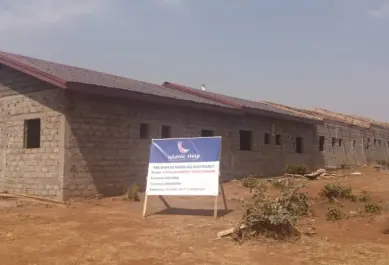
DCIM100MEDIADJI_0090.JPG
IMG-20210210-WA0013

Islamic Help’s approach to building and supporting clinics

Islamic Help’s Medical & Healthcare Programme supports healthcare infrastructure by establishing clinics, providing facility support, and partnering with local organisations. The goal is not to replace local systems, but to strengthen them where gaps exist.

Clinic projects are designed based on local needs and conditions. Islamic Help works with trusted partners and healthcare professionals to ensure facilities are appropriately equipped, staffed, and managed. This collaborative approach promotes sustainability and community ownership.

Support may include funding clinic operations, supplying essential medical equipment, or expanding existing facilities to meet growing demand. Each intervention is guided by feasibility, impact, and long-term benefit.

Clinics as lifelines in crisis settings

In humanitarian crises, clinics often become lifelines for entire populations. They provide consistent access to care amid instability, offering treatment when hospitals are overwhelmed or inaccessible.

Islamic Help-supported clinics have operated in refugee camps and conflict-affected regions, delivering year-round healthcare to vulnerable populations. These facilities treat thousands of patients annually, addressing both acute illnesses and ongoing health needs.

By maintaining continuous services, clinics help stabilise health outcomes even as external conditions remain volatile. This stability is critical for communities rebuilding their lives.

Supporting maternal and child health through infrastructure

Healthcare infrastructure is particularly important for maternal and child health. Safe pregnancies, childbirth, and early childhood care depend on access to reliable medical facilities.

Clinics supported by Islamic Help provide prenatal and postnatal care, nutrition support, and treatment for childhood illnesses. These services reduce maternal and infant mortality and improve long-term health outcomes.

Infrastructure also enables trained midwives and healthcare workers to operate safely and effectively, strengthening local capacity and ensuring continuity of care for families.

Strengthening local healthcare capacity

Sustainable healthcare infrastructure depends on people as much as buildings. Islamic Help’s Medical & Healthcare Programme emphasises collaboration with local healthcare workers and organisations.

By supporting existing staff and facilities, the programme helps build local capacity rather than creating parallel systems. This approach ensures care is culturally appropriate and more likely to continue beyond external support.

Local partnerships also improve efficiency and accountability, as community-based providers are best placed to understand needs, challenges, and priorities.

Dignity, trust, and ethical delivery

Healthcare infrastructure projects carry significant responsibility. Clinics must operate safely, ethically, and with respect for patient dignity.

Islamic Help applies strict governance standards to all infrastructure projects. Facilities are supported through qualified professionals and reputable partners, with oversight to ensure services meet appropriate healthcare standards.

Patients are treated with respect, confidentiality is maintained, and services are delivered without discrimination. Ethical storytelling and safeguarding principles guide how clinic work is communicated publicly.

Measuring the impact of healthcare infrastructure

The impact of clinics extends beyond individual treatments. Reliable healthcare infrastructure improves overall community health, reduces preventable deaths, and supports long-term resilience.

Clinics supported through Islamic Help’s programme have delivered hundreds of thousands of treatments over time, demonstrating the cumulative impact of sustained healthcare access. Early intervention reduces the severity of illnesses and lowers future healthcare costs.

These outcomes contribute to stronger, healthier communities that are better equipped to recover from crisis and pursue stability.

Accountability and transparency in infrastructure projects

Healthcare infrastructure requires significant trust from donors and communities alike. Islamic Help maintains transparency through reporting, monitoring, and partner oversight.

Projects are documented with clear information about scope, delivery, and outcomes. Donors are informed about how support is used, reinforcing confidence in the programme’s integrity.

This commitment to accountability ensures that healthcare infrastructure investments remain effective, responsible, and aligned with humanitarian best practices.

Why building clinics builds hope

Clinics represent more than physical structures. They symbolise stability, care, and the possibility of a healthier future. For communities affected by conflict or displacement, access to reliable healthcare restores a sense of normality and security.

Islamic Help’s Medical & Healthcare Programme recognises that lasting recovery depends on strong health systems. By supporting clinics and healthcare infrastructure, the programme moves beyond emergency response toward sustainable impact.

Building clinics builds hope by ensuring that care continues long after crises subside. Through professional delivery, ethical partnerships, and a focus on dignity, healthcare infrastructure becomes a foundation for resilience and renewed opportunity.

FAQs:

  • Why is healthcare infrastructure important in humanitarian settings?
    Healthcare infrastructure is vital because it provides consistent access to medical care beyond emergency response. Clinics allow early diagnosis, ongoing treatment, and preventive care, reducing preventable illness and mortality in communities affected by conflict, displacement, or poverty.
  • How does Islamic Help support healthcare infrastructure?
    Islamic Help supports healthcare infrastructure by funding clinics, supplying medical equipment, and working with trusted partners. These projects strengthen existing health systems, improve access to care, and ensure services are delivered safely and sustainably.
  • Who benefits most from clinic-based healthcare projects?
    Clinic-based healthcare projects benefit vulnerable populations, including refugees, mothers, children, and people with chronic illnesses. Access to nearby clinics removes barriers to care and helps communities manage both acute and long-term health needs.
  • Are clinics part of emergency or long-term medical aid?
    Clinics support both emergency and long-term medical aid. While they provide care during crises, their greatest value lies in continuity, ensuring communities have ongoing access to healthcare even after immediate emergencies have passed.
  • How does Islamic Help ensure clinics are operated responsibly?
    Islamic Help ensures responsible clinic operations through partnerships with qualified professionals, monitoring and reporting systems, and adherence to safeguarding and healthcare standards. Transparency and accountability are central to maintaining trust and delivering ethical medical care.

updates that matter

Empower my Inbox

Volunteer

Vivamus lacinia lacus vel neque egestas, vitae volutpat purus dapibus. Nullam nec ultricies erat. Etiam ac urna metus.

    Updates that matter

    Join our mailing list for events, urgent appeals, and project updates from the communities you help empower.

      We use cookies to make your visit even better

      They help us understand how our website is used so we can improve your experience and share the stories and projects you care about most. All data is anonymous, and your privacy matters to us.
      We use cookies to make your visit even better