
Accountability in Action: How Food Aid Is Delivered Responsibly and Transparently
Latest News

Accountability in Action: How Food Aid Is Delivered Responsibly and Transparently

Explore how accountability and transparency ensure food aid is delivered responsibly, building trust with donors and communities while protecting dignity and maximising impact for those most in need.

Food aid relies on trust. When families accept assistance during times of hardship, they place their trust in the organisations providing support. Donors also rely on assurance that their contributions are used responsibly and reach those most in need. Without accountability and transparency, food aid risks losing its effectiveness and credibility.

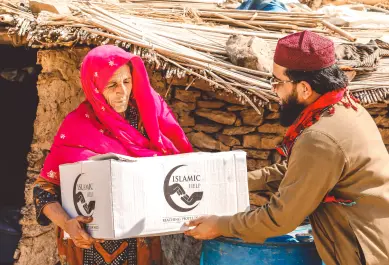
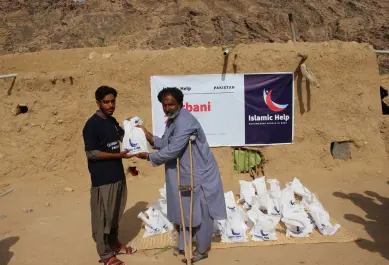
Islamic Help’s Food & Social Programme is built on clear systems of accountability that govern how food assistance is planned, delivered, and monitored. These systems ensure aid is ethical, fair, and impactful while protecting the dignity of beneficiaries.

This article explains why accountability matters in food aid, how transparency strengthens humanitarian response, and how Islamic Help ensures responsible delivery across its Food & Social Programme.
بِسْمِ ٱللَّهِ ٱلرَّحْمَٰنِ ٱلرَّحِيمِ

“The example of those who spend their wealth in the way of Allah is like a seed that sprouts into seven ears, each bearing one hundred grains.”

Why accountability is essential in food aid

Food assistance operates in complex environments shaped by urgency, limited resources, and high vulnerability. In these contexts, clear accountability protects both recipients and aid providers.

Without oversight, food aid can be misdirected, unevenly distributed, or delivered in ways that unintentionally cause harm. Accountability helps prevent these risks by ensuring assistance is guided by needs assessments, ethical standards, and consistent procedures.

For donors, accountability provides confidence that support is making a real difference. For communities, it ensures fairness and reliability in aid delivery.

Transparency as a foundation for trust

Transparency allows stakeholders to understand how food aid works, who it reaches, and what outcomes it achieves. When processes are clear, trust grows between communities, partners, and donors.

Islamic Help’s Food & Social Programme emphasises transparent communication around food assistance. Information about project scope, delivery methods, and objectives is shared responsibly, helping manage expectations and reinforce credibility.

This openness supports informed engagement and strengthens long-term trust in humanitarian action.

CX5A7856
1D5A5369
IH FP 3
IMG_8073
Copy of 192A1526

How Islamic Help plans food aid responsibly

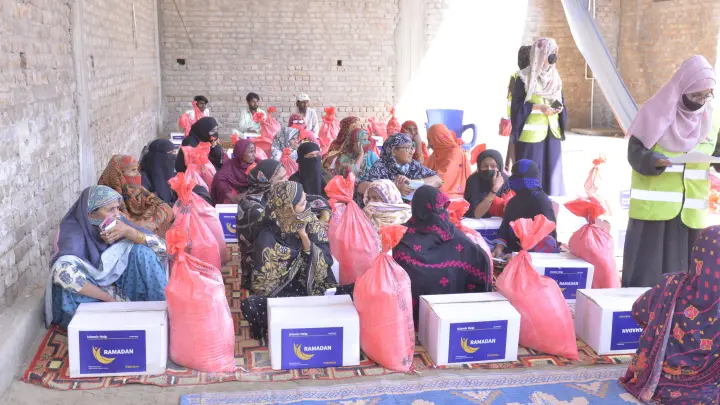
Responsible food aid begins with careful planning. Islamic Help works with local partners to assess needs, identify vulnerable households, and determine appropriate forms of assistance.

Assessments consider factors such as household size, income, displacement status, and social vulnerability. This ensures food aid is targeted effectively and reaches those facing the greatest hardship.

By grounding decisions in local insight and structured assessments, the programme avoids one-size-fits-all approaches and delivers aid that reflects real conditions on the ground.

Monitoring food distributions and outcomes

Monitoring is a key component of accountability. Islamic Help oversees food aid delivery through partner reporting, field updates, and ongoing review.

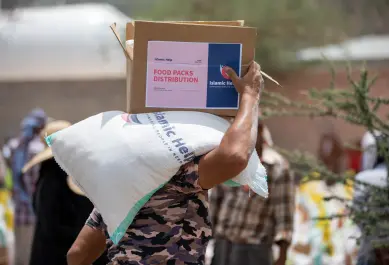
Food distributions are tracked to confirm quantities, locations, and beneficiary reach. Where possible, community feedback helps assess effectiveness and identify areas for improvement.

This monitoring process ensures food aid remains responsive, fair, and aligned with programme objectives throughout implementation.

Partner oversight and local collaboration

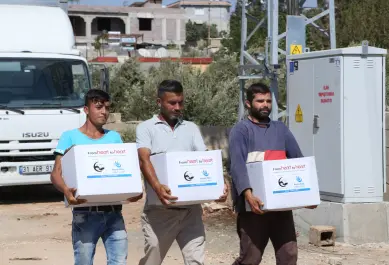
Islamic Help delivers food aid through trusted partners with local knowledge and experience. Partner selection and oversight are central to accountability.

Partners are expected to adhere to programme standards, safeguarding principles, and reporting requirements. Ongoing collaboration allows challenges to be addressed quickly and supports consistent delivery.

Local partnerships strengthen accountability by embedding food aid within community structures and promoting shared responsibility.

Safeguarding and ethical responsibility

Safeguarding is integral to responsible food aid. Distributions must not expose beneficiaries to harm, exploitation, or discrimination.

Islamic Help applies safeguarding policies across all Food & Social Programme activities. These standards guide how assistance is delivered, how staff and partners interact with beneficiaries, and how concerns are addressed.

Ethical responsibility ensures food aid protects wellbeing and dignity, reinforcing trust in humanitarian support.

Reporting and donor confidence

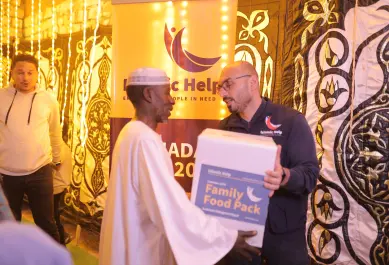
Clear reporting is essential for maintaining donor confidence. Islamic Help provides updates that explain how food aid has been delivered and the impact it has had.

Reports may include information on distribution numbers, locations, and project timelines. While protecting beneficiary privacy, these updates offer transparency and reassurance.

Effective reporting demonstrates that accountability is not theoretical but actively practised throughout food aid delivery.

Learning and continuous improvement

Accountability is not only about control; it is also about learning. Monitoring and reporting help identify strengths and areas for improvement within food aid programmes.

Islamic Help uses insights from past projects to refine delivery methods, improve targeting, and strengthen partnerships. This commitment to learning enhances effectiveness over time.

Continuous improvement ensures food aid remains relevant, responsive, and aligned with evolving needs.

Why accountability strengthens humanitarian impact

Accountability transforms food aid from a simple distribution exercise into a trusted humanitarian service. When systems are clear and transparent, aid is more effective, dignified, and sustainable.

Islamic Help’s Food & Social Programme demonstrates that responsible delivery strengthens impact for both beneficiaries and donors. By prioritising accountability, the programme protects trust and maximises the value of every contribution.

In humanitarian work, trust is as vital as food itself. Through transparent planning, monitoring, and reporting, Islamic Help ensures food aid reaches those who need it most, delivered with integrity and care.

FAQs:

  • Why is accountability important in food aid programmes?
    Accountability ensures food aid is delivered fairly, ethically, and to those most in need. It prevents misuse, builds donor confidence, and protects beneficiaries by ensuring assistance follows clear standards and responsible processes.
  • How does Islamic Help ensure transparency in food aid delivery?
    Islamic Help ensures transparency through clear communication, monitoring, and reporting. Information about project scope, delivery, and outcomes is shared responsibly, helping donors and communities understand how food aid is planned and delivered.
  • What role do local partners play in accountability?
    Local partners help identify needs, deliver assistance, and provide oversight. Their local knowledge improves targeting and fairness, while partnership standards and reporting requirements help maintain accountability and consistent delivery.
  • How is accountability maintained during emergency food responses?
    During emergencies, Islamic Help balances rapid response with oversight by working through trusted partners and established procedures. This ensures food aid is delivered quickly without compromising transparency, safeguarding, or ethical standards.
  • How does accountability improve the impact of food aid?
    Accountability improves impact by ensuring resources are used effectively, lessons are learned, and trust is maintained. Transparent systems help food aid remain responsive, dignified, and aligned with the needs of vulnerable communities.

updates that matter

Empower my Inbox

Volunteer

Vivamus lacinia lacus vel neque egestas, vitae volutpat purus dapibus. Nullam nec ultricies erat. Etiam ac urna metus.

    Updates that matter

    Join our mailing list for events, urgent appeals, and project updates from the communities you help empower.

      We use cookies to make your visit even better

      They help us understand how our website is used so we can improve your experience and share the stories and projects you care about most. All data is anonymous, and your privacy matters to us.
      We use cookies to make your visit even better